As we commemorate yet another Human Rights Day (10th December), I ask: What meaning do human rights hold without proper accountability? What value do they have if Nigerians are still living in fear and deprivation, denied the essentials of life—food, shelter, healthcare, and clean water?
How can we celebrate rights when even the freedom to protest is at risk? My heart aches for the seven courageous women whose lives were tragically cut short while bravely demanding justice and accountability. So, on this Human Rights Day, ask yourself, can we truly be satisfied with ourselves or our nation when so many fundamental rights remain unfulfilled?
Human rights in Nigeria is at a critical juncture, facing ongoing and deeply rooted challenges such as systemic abuses, restrictions on freedom of expression, and continuous struggles for justice and equality. Many Nigerians continue to show remarkable resilience and determination in their fight for change; however, widespread violations still pose a serious threat to the dignity and rights of countless individuals.
This situation underscores the urgent need for genuine reform, stronger protections, and greater accountability to ensure that fundamental rights—such as the right to life, food, shelter, healthcare, and clean water—are recognized and safeguarded for everyone.
The responsibility to protect, enforce, and fulfill these rights rests with the government, as the duty bearers.
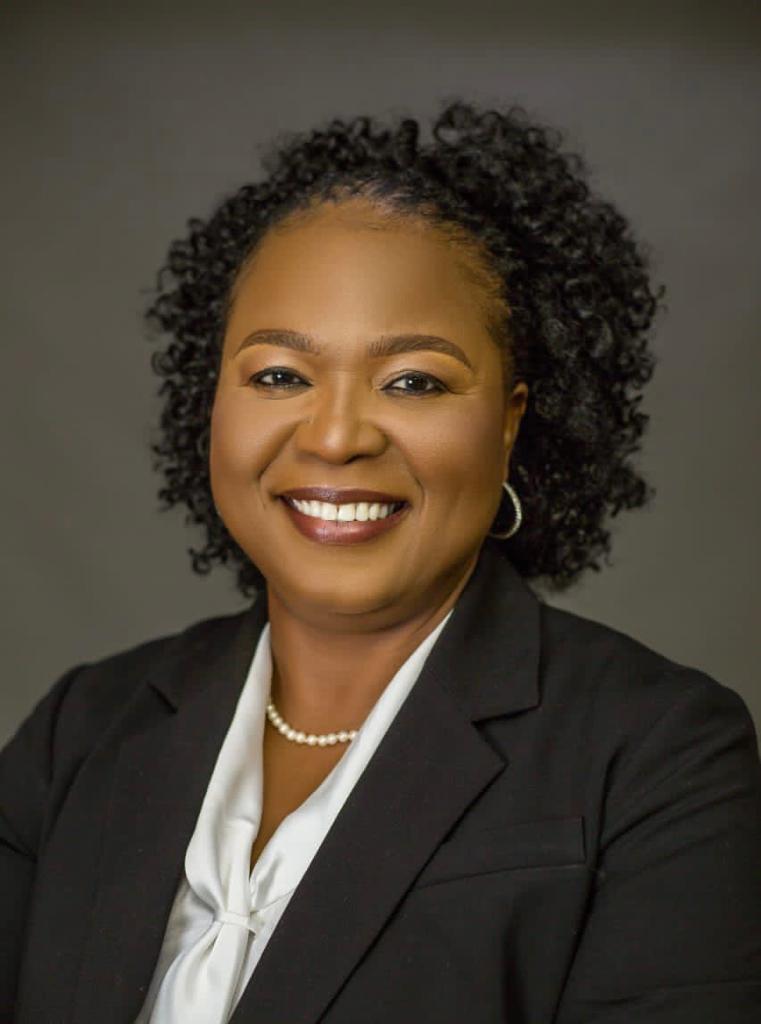
Prof. Joy Ngozi Ezeilo ( SAN, OON)