By Ladidi Sabo
The downing of three U.S. fighter jets by allied air defences in the Gulf is more than a battlefield embarrassment; it is a warning flare over global energy markets and an already fragile world economy.
According to United States Central Command, the F-15E Strike Eagles were mistakenly shot down by Kuwaiti air defences during “active combat” operations under Operation Epic Fury, as Iranian aircraft, ballistic missiles and drones crowded regional airspace.
All six American aircrew survived. Strategically, however, the implications are far larger.
Because this incident did not happen in isolation.
It unfolded as Saudi Arabia battled drone threats near the Ras Tanura refinery, operated by Saudi Aramco, and as Beirut absorbed fresh explosions linked to Israeli strikes targeting Hezbollah positions.
Taken together, the events signal a widening conflict footprint stretching from the Gulf’s oil arteries to the Mediterranean.
And markets are watching.
Oil in the Crosshairs
Ras Tanura is not just another refinery. It is one of the world’s most critical oil processing and export hubs. Even “minor damage,” as Saudi authorities described it, carries psychological weight in global commodity markets.
Energy analysts say the real risk lies not in isolated strikes, but in cumulative escalation.
If drone interceptions begin failing, or if shipping lanes in the Strait of Hormuz are disrupted, crude prices could spike sharply.
Roughly one-fifth of global oil consumption passes through Hormuz daily. Any sustained threat could:
- Push Brent crude well above current benchmarks
- Raise global shipping insurance premiums
- Trigger precautionary stockpiling by major economies
- Reignite inflation pressures that central banks have struggled to tame
A senior Gulf-based energy strategist, speaking on condition of anonymity due to market sensitivity, said:
“The market doesn’t need a refinery destroyed. It just needs uncertainty. A miscalculation in the Gulf can add $10–$20 to oil overnight.”
That surge would not stay in the Middle East.
For central banks already navigating post-pandemic inflation and tight monetary cycles, a Middle East supply shock could complicate interest rate strategies and delay planned easing.
In short, war risk equals inflation risk.
Military Miscalculation and Coalition Strain
Beyond markets, the friendly fire incident raises difficult operational questions.
Modern air defence systems are designed to detect, track and neutralise fast-moving threats, especially ballistic missiles and low-flying drones. But in saturated airspace, identification errors become more likely.
The fact that Kuwaiti defences were actively responding to Iranian threats suggests the skies were already operating under extreme stress.
That matters because the Gulf hosts a dense network of U.S. bases across Kuwait, Bahrain, Qatar and the United Arab Emirates. Any perception of fractured coordination among allies could embolden adversaries or invite further testing of regional defences.
Beirut and the Northern Front
Simultaneously, explosions in Beirut attributed to Israeli strikes on Hezbollah-linked targets indicate another axis of escalation.
The Israel–Hezbollah exchange risks drawing Lebanon deeper into confrontation, potentially widening the conflict beyond the Gulf theatre.
Strategists warn that multi-front escalation increases the probability of:
- Supply chain disruptions in the Eastern Mediterranean
- Missile spillover into energy infrastructure
- Greater involvement from proxy militias aligned with Iran
The more theatres activated, the harder it becomes to compartmentalise risk.
Global Economic Domino Effect
The geopolitical danger is not merely military — it is systemic.
If oil prices surge significantly:
- Emerging markets face currency depreciation
- Fuel subsidies strain government budgets
- Food inflation intensifies
- Shipping bottlenecks reappear
- Global equities react sharply to energy volatility
For economies still recalibrating after years of pandemic stimulus and supply shocks, another energy crisis could reverse fragile stabilisation gains.
A London-based commodities economist summarised the stakes bluntly:
“The Middle East doesn’t need a full-scale war to shake markets. Persistent drone threats and one refinery strike are enough to inject a risk premium into every barrel traded.”
A War With Shrinking Margins
The friendly fire downing of American jets underscores a dangerous reality: this conflict is expanding not only in intensity but in complexity.
Iranian missile barrages. Drone swarms. Israeli-Hezbollah exchanges. Coalition intercepts. Oil infrastructure under threat. Allied air defences are firing under pressure.
Each layer adds friction. Each friction point adds the possibility of miscalculation.
And in today’s interconnected global economy, miscalculation does not stay local.
It travels through oil futures, inflation data, bond markets and household fuel bills.
For now, Washington and its Gulf allies are projecting unity. Investigations are underway. Aircrew are safe. Refineries remain operational.
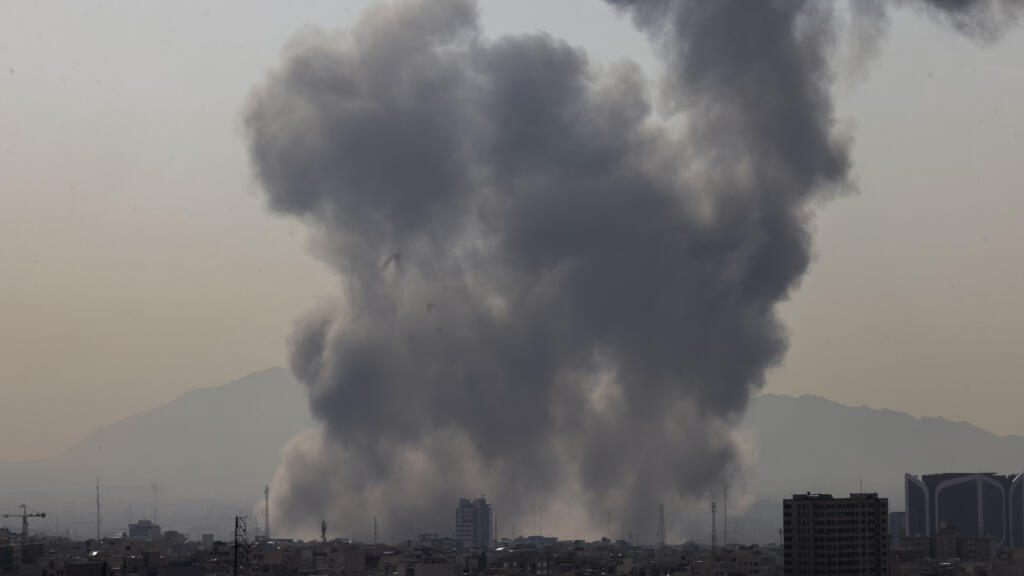
However, as smoke rises over the Gulf and Beirut, the strategic question is no longer whether this conflict affects the global economy.
It is how long markets can absorb the shock before the price of war is paid at the pump and at the checkout counter worldwide.