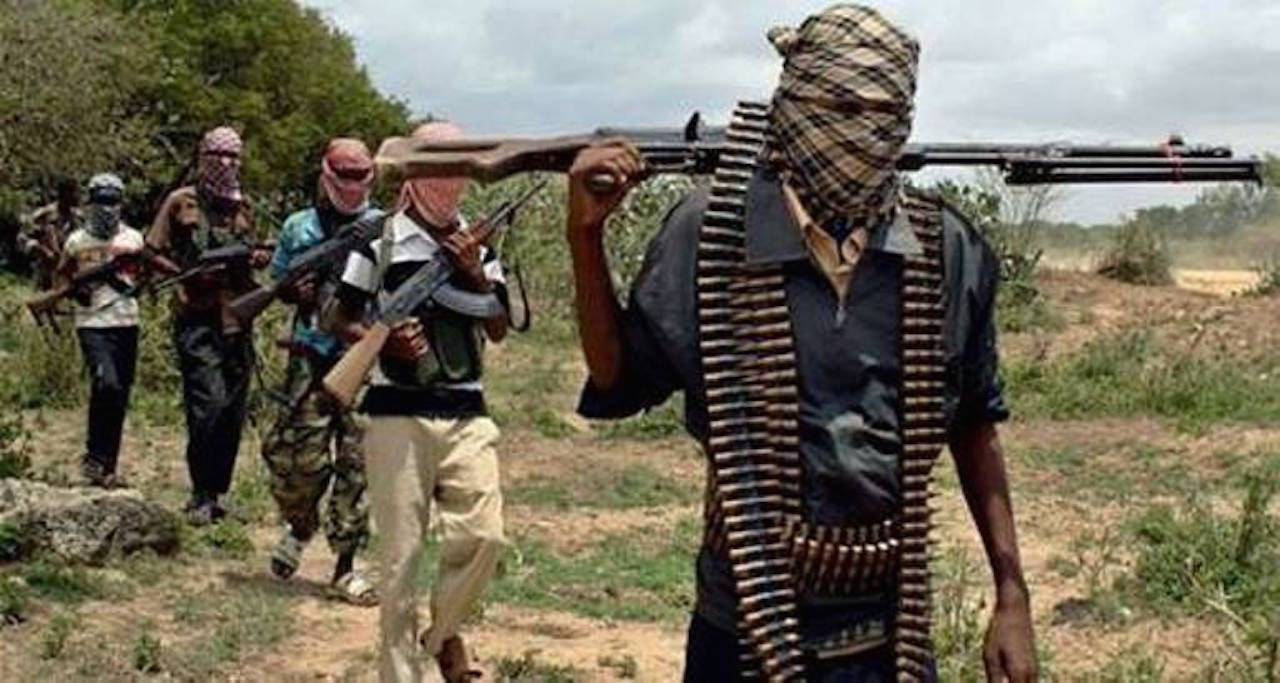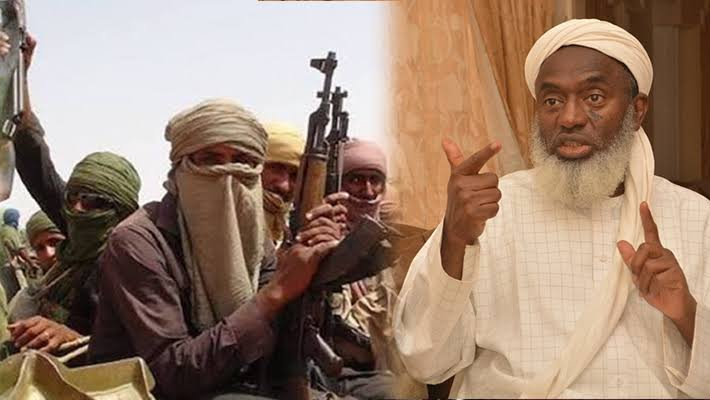
Nigeria’s escalating security crisis took a dramatic turn after Kaduna-based Islamic cleric Ahmad Gumi made a startling claim: the federal government knows the identities and locations of terrorists operating across the country.
The allegation comes as armed groups continue to unleash devastating attacks on communities and military formations, often seizing weapons and leaving trails of destruction across several regions.
For many Nigerians living under the constant threat of kidnappings, banditry and insurgent violence, the remark has revived a controversial statement often attributed to former military ruler Sani Abacha—that “if insurgency lasts for more than 24 hours, the government has a hand in it.”
Speaking in a recent interview, Gumi said authorities are not in the dark about those behind the violence.
“The government knows every terrorist by name and location,” he said.
According to the cleric, his controversial trips into forests to negotiate with armed groups are not carried out independently but with the knowledge and involvement of security agencies.
“I don’t go alone,” he explained. “I go with the police, the military and other security agencies.”
He added that some of the journeys required mediation through traditional authorities.
“I would go to the Emirs. In fact, when we went to one forest, I even went with women into the bush,” he said.
Dialogue With Armed Groups
Gumi also renewed his call for negotiations with insurgent and separatist groups across the country, including the secessionist movement Indigenous People of Biafra and Islamist insurgents such as Boko Haram, as well as armed bandit groups operating in northern Nigeria.
He said he would support any group willing to lay down its weapons and pursue peace through dialogue.
“Dialogue can bring peace and we are men of peace,” Gumi said. “Even IPOB, which wants secession—if they are ready to put down their arms and come to the round table to discuss, I’m ready to support them. All we don’t want is violence.”
“What They Say Is Not What They Do”
The cleric also pointed to widespread distrust between citizens and the Nigerian government, saying many Nigerians believe official promises rarely translate into real action.
“What they say is not what they do,” he said.
Rather than relying overwhelmingly on military force, Gumi argued that Nigeria must adopt a broader strategy that tackles the underlying drivers of insecurity.
Experts, he said, increasingly believe that up to 75 percent of the solution should be non-kinetic, focusing on social and economic reforms.
He cited failing infrastructure, erratic electricity, poor healthcare and a struggling education system as factors that fuel instability.
“Look at the road network—it is terribly bad. Electricity is erratic and very expensive,” he said.
“Don’t talk about healthcare. Anyone who has the means—even our wealthy people—flies abroad for treatment.”
In such circumstances, he questioned whether billions spent on defence would achieve lasting security.
“In a situation where nothing is working,” he said, “should the priority be pumping trillions into defence, or investing in basic amenities that improve the lives of the people?”
A Nation Under Siege
Nigeria, Africa’s most populous nation, has faced years of overlapping security threats, from insurgency in the northeast to banditry and mass kidnappings across the northwest and separatist tensions in the southeast.
Gumi’s remarks are likely to intensify an already heated national conversation over whether the country’s security strategy is addressing the root causes of violence, or merely responding to its symptoms.
For millions of Nigerians living with daily fear, the stakes could hardly be higher.