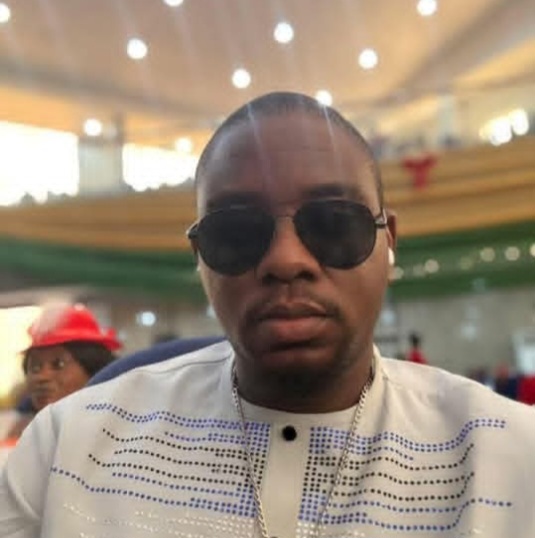
When Tomi Wojuola rushed a collapsing stranger to the hospital, he believed he was doing the right thing. Instead, he says, the decision nearly destroyed his life.
According to Wojuola, the man died shortly after arriving at the hospital. Acting responsibly, he asked staff to inform the police. What followed, he claims, was intimidation, extortion, and a murder accusation.
Wojuola said officers at the GRA Police Station in Asaba accused him of killing the man, despite confirmation from the family that the deceased had an underlying medical condition. He alleged that the Divisional Police Officer threatened him for “acting like Jesus” and vowed to make him regret intervening.
“It was only the grace of God,” Wojuola wrote, crediting the intervention of a senior government official for saving him from prosecution. He added that police still collected bail money, leaving him nearly penniless.
His story struck a nerve online, reinforcing why many Nigerians film emergencies rather than intervene.
Wojuola’s experience echoes a far darker case that has resurfaced on social media. Chinedu Eze, a former Abuja-based driver, says he lost 14 years of his life to wrongful imprisonment.
In a viral video interview, Eze recounted how a routine assignment turned catastrophic in 2005. Tasked with driving a client’s vehicle from Abuja to Sokoto, he was stopped at a police checkpoint in Ilela.
What began as a dispute over documents escalated into violence. Officers allegedly beat his client, then detained Eze. The next day, police reportedly misled his employer into handing over the vehicle’s logbook. Eze was taken to court without a lawyer.
He was charged with culpable homicide, armed robbery, and conspiracy.
“I cried when I heard the charges,” Eze said. “That’s when I knew my life had changed.”
He was remanded to prison. His fiancée waited, then moved on. His infant daughter grew up without him. For years, Eze said, he never saw a judge. His case passed between prosecutors. No witnesses testified. No evidence was produced.
At one point, he said officers pressured him to falsely accuse a police escort of murder. He refused.
That refusal, he believes, sealed his fate.
After 14 years in custody, Eze regained freedom through the intervention of a non-governmental organisation. His story has since become a symbol of what many Nigerians describe as a justice system that protects power while crushing the powerless.
Human rights advocates say arbitrary arrests, prolonged detentions, and fabricated charges remain widespread. For many citizens, encounters with law enforcement now inspire fear rather than trust.
As Wojuola and Eze’s stories circulate, they underscore a troubling reality: in Nigeria, trying to do the right thing can come at an unbearable cost.