


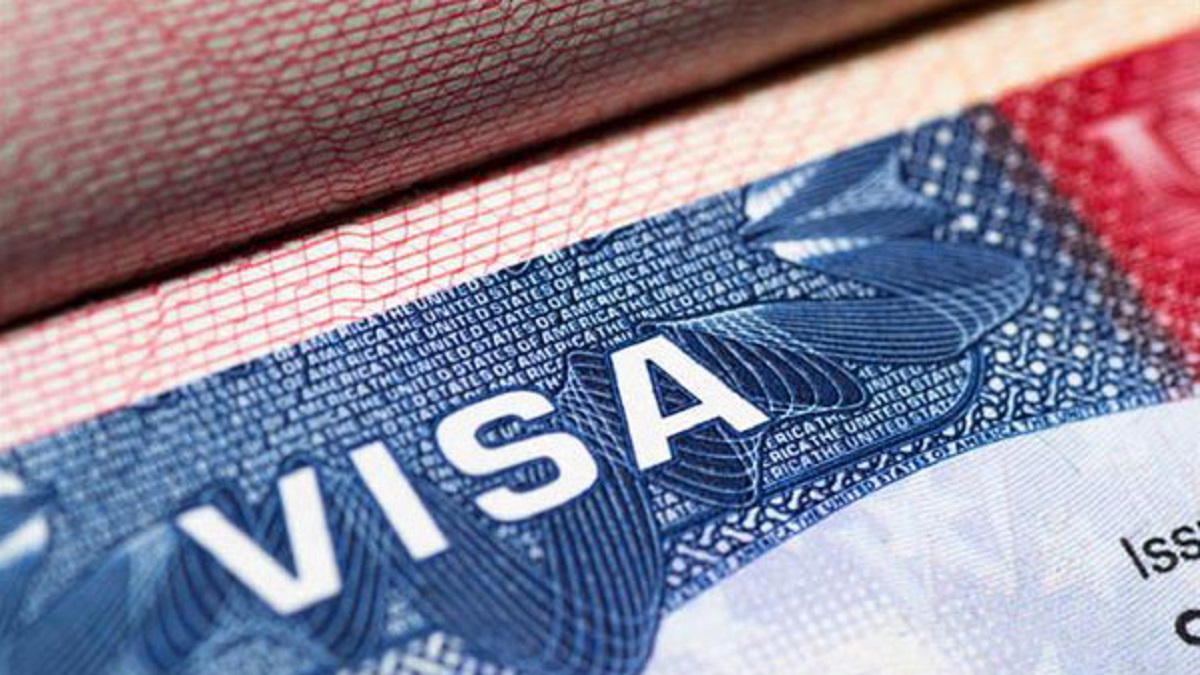
- New US Visa policy mandates interviews for applicants in their country of residence
The United States Mission in Nigeria has announced a new directive requiring visa applicants to disclose all social media usernames and handles used within the past five years as part of the visa application process.
The Mission, in a post on its official X handle on Monday, said the directive aligns with the US Department of State’s effort to strengthen national security through enhanced screening measures.
According to the Embassy, applicants must provide a comprehensive list of their social media profiles on the DS-160 visa application form. It warned that failure to do so could result in visa denial and possible ineligibility for future applications.
“Visa applicants are required to list all social media usernames or handles of every platform they have used from the last five years on the DS-160 visa application form,” the Mission said.
It added: “Applicants certify that the information in their visa application is true and correct before they sign and submit. Omitting social media information could lead to visa denial and ineligibility for future visas.”
The update brings to six the key requirements for US visa applicants in Nigeria.
Six Requirements for US Visa Applicants in Nigeria:
Social Media Disclosure: Applicants must list all social media usernames and handles used in the past five years on the DS-160 form.
Matching DS-160 Confirmation Number: The DS-160 barcode number (starting with “AA00”) must match the one used to book the appointment, otherwise entry to the Consular Section will be denied.
Correct Appointment Location: Applicants must attend interviews at the location (Abuja or Lagos) chosen during submission of the DS-160 form.
Double-Check DS-160 Form: At least two weeks before the interview, applicants should ensure the DS-160 barcode matches the appointment confirmation. Old forms from previous applications are not valid.
Fixing Barcode Errors: If the barcode number is wrong, applicants should log into their AVITS account at least 10 days before the interview and create a support ticket for correction.
Rescheduling if Rejected: Applicants turned away due to mismatched barcodes must correct the error and rebook their appointment. Expired visa fees will require repayment before rescheduling.
The US Department of State has also announced a major policy change for non-immigrant visa applicants, requiring them to schedule their interviews “at the US Embassy or Consulate in their country of nationality or residence.”
The new guidance, effective immediately, was published on September 6, 2025, on the State Department’s official visa portal.
The update supersedes all previous instructions on designated visa processing locations.
The Department noted: “Nationals of countries where the U.S. government is not conducting routine nonimmigrant visa operations must apply at the designated embassy or consulate, unless their residence is elsewhere.”
The list of designated locations covers nationals from conflict-affected or diplomatically restricted states such as Afghanistan (Islamabad), Belarus (Vilnius, Warsaw), Cuba (Georgetown), Iran (Dubai), Russia (Astana, Warsaw), Venezuela (Bogota), and Yemen (Riyadh).
Applicants are also warned of three critical changes:
Residence Requirement: “Applicants must be able to demonstrate residence in the country where they are applying, if the place of application is based on their residency.”
Fees: “Applicants who schedule nonimmigrant interviews at a U.S. embassy or consulate outside of their country of nationality or residence might find that it will be more difficult to qualify for the visa. Fees paid for such applications will not be refunded and cannot be transferred.”
Appointment Availability: “Applicants applying outside their country of nationality or residence should expect to wait significantly longer for an appointment.”
Existing appointments, however, “will generally not be cancelled,” and the Department emphasised that the new rules do not apply to diplomatic, NATO, or UN-related visas.
According to the Saturday release, exceptions may still be granted for “humanitarian or medical emergencies or foreign policy reasons.”
The Department urged applicants to check their local embassy or consulate websites for details on requirements and wait times.
This sweeping adjustment, officials noted, is part of efforts to streamline nonimmigrant visa adjudications while managing global backlogs and security considerations.
It was reported that the US State Department’s new directive extends explicitly to non-immigrant visas, ending a long-standing practice among nationals of travelling to neighbouring countries to secure interview appointments.
In Nigeria, for example, for years, when slots in Abuja or Lagos were unavailable, applicants often turned to consulates in Cameroon, Namibia, Ghana, the Ivory Coast, Canada, or even the Dominican Republic to fast-track their chances.
Under the updated policy, Nigerians—and all other nationals—must apply strictly in their country of residence or nationality.
This shift will significantly alter how applicants navigate the already challenging process, especially given long wait times in Nigeria.



This new policy will definitely make the U.S. visa process tougher for Nigerians, as interviews are now unavoidable and delays could increase.