At least 36 Nigerians have been recruited to fight for Russia in its war against Ukraine, with five confirmed killed, according to a new investigative report that has prompted a stern warning from Nigeria’s federal government.
The report, published in February 2026 by investigative group All Eyes on Wagner and titled “The Business of Despair: The Russian Army’s Recruiting of African Fighters,” alleges that vulnerable young Africans—including Nigerians—have been lured with promises of lucrative jobs and migration pathways, only to be funnelled into frontline combat operations.
Drawing on a database of 1,417 African recruits between 2023 and mid-2025 obtained from Ukrainian sources, the report claims Russia expanded recruitment efforts across Africa after launching its full-scale invasion of Ukraine in February 2022.
Nigerians were among those allegedly deployed in high-risk assault units described in the report as “cannon fodder.”
The average age of African recruits was 31, with many reportedly coming from economically distressed backgrounds.
Five Nigerians Confirmed Dead
Among the confirmed Nigerian fatalities listed in the report are:
- Abdoulaye Issaka Ismael, 27
- Agbo Moses Omale, 43
- Adamu Abdulai Ismail, 25
- Mikael, 47
- Fajobi Taiwo Omoniyi, 50
The report states that at least 316 African recruits have died, though it warns the figure may be higher, citing additional fatalities verified through social media investigations.
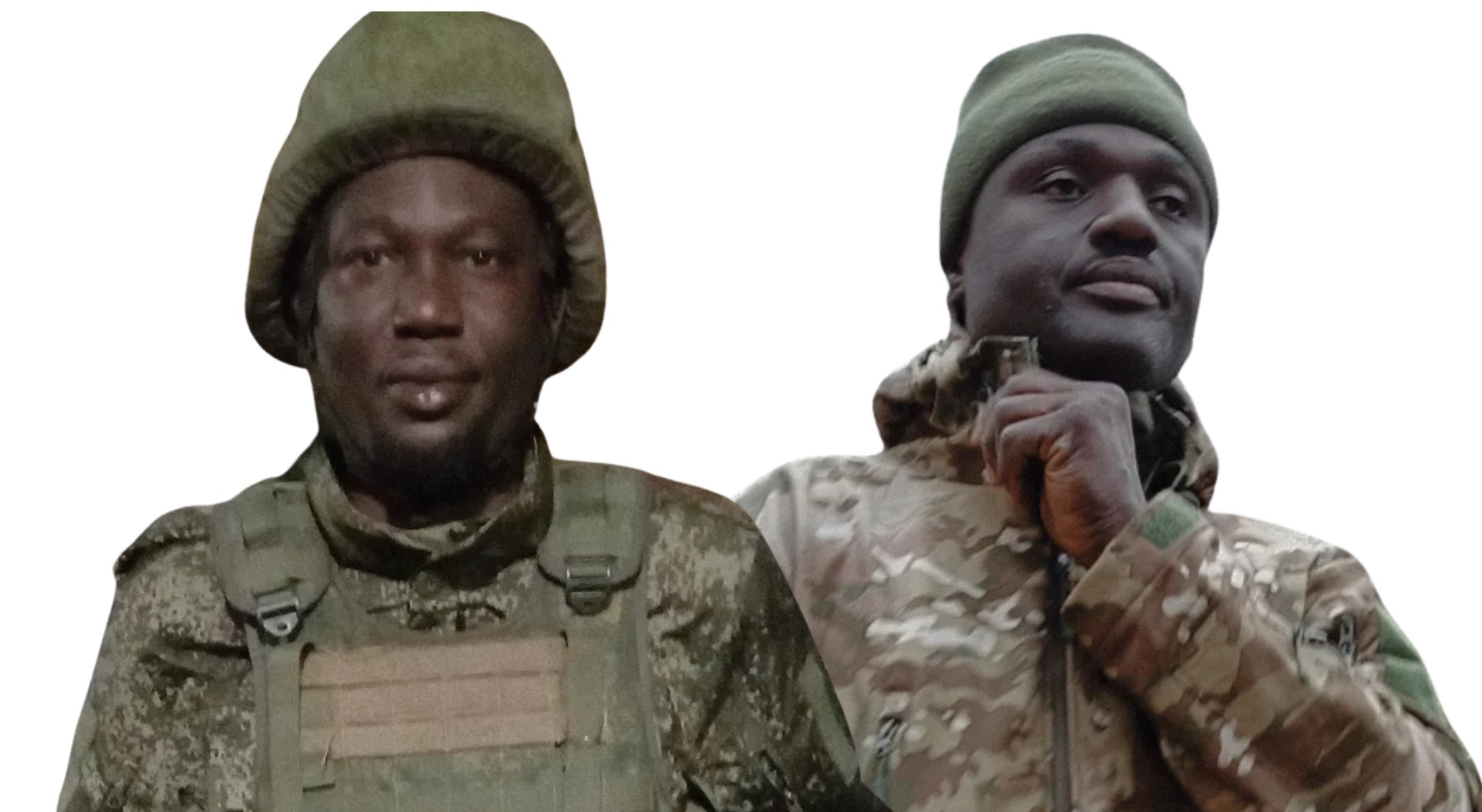
On February 12, 2026, Ukraine’s Defence Ministry released photographs of two Nigerians—Hamzat Kazeem Kolawole and Mbah Stephen Udoka—who were reported killed in combat in the Luhansk region.
According to Ukrainian authorities, both men had signed contracts with the Russian military in 2025 and reportedly had no prior military training before being deployed.
Lured by Promises of Jobs and Citizenship
The investigation alleges that recruitment pipelines relied heavily on social media campaigns across Facebook, Instagram, Telegram and TikTok. Videos and images reportedly showcased luxury lifestyles in Moscow—skyscrapers, expensive cars, and symbols of wealth—aimed at attracting job seekers.
Travel agencies in Africa and Russia allegedly advertised “fast-track procedures,” offering discounted flights and assistance with visas.
Recruits were reportedly promised:
- Signing bonuses of several thousand dollars
- Monthly salaries between $2,000 and $2,500
- Higher pay for “specialists”
- Health insurance
- Fast-tracked Russian citizenship upon contract completion
However, the report says many fighters reported unpaid wages, withheld funds, or payments significantly below what had been promised.
“We Were Forced to Sign”
Families of affected Nigerians, particularly in Rivers and Ogun states, have expressed grief and anger.
In a video posted on X, a Nigerian man captured by Ukrainian forces claimed his phone was confiscated and that he was forced to sign enlistment papers written in Russian without an interpreter.
He said he believed he was travelling for training in his professional field before being abruptly deployed to the battlefield.
He recounted the case of another Nigerian, identified as Abubakar, who allegedly suffered a heart-related episode during training and refused to comply with deployment orders after realising he had been conscripted.
Separately, Abubakar Adamu, through his legal representatives, has petitioned the Nigerian government for urgent intervention, claiming he was lured to Moscow in October 2025 on a tourist visa for what he believed was a civilian security job.
His lawyers argue he signed documents he did not understand and is currently being held in a Russian military camp after refusing deployment to Ukraine.
They have demanded the return of his travel documents and his repatriation to Nigeria.
Nigeria Issues Warning
Nigeria’s Ministry of Foreign Affairs expressed “grave concern” over what it described as rising cases of citizens being misled into signing foreign military contracts under false pretences.
Spokesperson Kimiebi Ebienfa said victims were pressured into agreements in foreign languages and had their travel documents confiscated upon arrival.
The ministry warned that Nigerians who participate in foreign armed conflicts without government approval could face serious legal consequences.
The Nigerians in Diaspora Commission (NIDCOM) stated that its official repatriation program related to the Russia-Ukraine conflict concluded more than three years ago.
NIDCOM spokesperson Abdulrahman Balogun said individuals who voluntarily enlisted would have done so independently.
Alleged Recruitment Hub Denies Involvement
The report also names St. Fortunes Travels and Logistics, a Port Harcourt-based travel agency, as a suspected recruitment conduit.
The company’s owner, Fortune Chimene Amaewhule, denied recruiting Nigerians to fight in Russia.
He acknowledged that his firm once handled Russia-related travel packages but said the offering was discontinued after learning that some travellers were switching to military enlistment upon arrival.
“It was for teaching opportunities in Kazakhstan,” he said, adding that his company never directly facilitated recruitment into the Russian military.
Earlier this week, Russia’s Ambassador to Nigeria, Andrey Podyolyshev, denied any official Russian government involvement in recruiting Nigerians.
“If anybody has this information, we are ready to send it to Russian law enforcement authorities so they can investigate those cases,” he said in Abuja.
A Growing Transnational Pattern
In 2025, Ukraine’s Foreign Minister Andrii Sybiha said more than 1,400 nationals from 36 African countries were fighting for Russia, with some currently held as prisoners of war.
The All Eyes on Wagner report frames the recruitment drive as part of a broader strategy to supplement Russian troop numbers through foreign contracts, particularly targeting economically vulnerable regions.
Nigeria’s government has urged citizens to verify overseas job offers through official channels and to report suspicious recruitment activity.
As the war in Ukraine enters its fourth year, the investigation underscores how the conflict’s reach extends far beyond Europe—into African communities grappling with unemployment, migration pressures, and the allure of opportunity abroad.