By Kirsten Okenwa
About this series
Food, Memory & Healing is a monthly storytelling series exploring how indigenous foods support health, dignity, and cultural continuity. Drawing from lived testimonies, ancestral food knowledge, and contemporary food science, the series reflects on healing not as a miracle or trend, but as a return to foods shaped by land, memory, and community.
Food and Healing: When Indigenous Foods Remember Our Bodies
There was a time when food did not need translation. It was not labelled organic, functional, or clean. It was known by the land that grew it, by the hands that prepared it, and by the bodies that received it.
Today, many of us eat in abundance yet live in quiet nutritional distress. We manage conditions we did not grow up seeing so frequently: diabetes, hypertension, digestive disorders, and chronic fatigue. In response, we often look outward, to imported superfoods, complex supplements, and unfamiliar eating systems. Yet healing, for many, has begun not with discovery, but with return to roots.
This series, Food, Memory & Healing, looks at how indigenous foods often dismissed as “local,” “poor,” or old-fashioned, are quietly supporting health in today’s world. These foods are not cures or shortcuts. They are part of longer relationships between people, culture, and nourishment.
One such story begins with okpa, a traditional Nigerian dish from the Igbo people. Ask anyone from Enugu about it, and watch their face light up as they describe the warm, savoury pudding wrapped in banana leaves that fueled their childhood mornings. It’s made by steaming a batter of ground Bambara nuts until it sets into a firm, protein-rich pudding; simple in concept, but rich with memory.
I remember travelling to my home state, Enugu, with my mum after a long absence. The first meal I asked for at breakfast was okpa, the wholesome kind made with banana leaves, not the current trend of cooking the pudding in small polythene bags. That request said everything about what I needed from this trip: I was going to eat only local; local grains, local fruits, local vegetables. I was going home in the truest sense.
In eastern Nigeria, a middle-aged man living with diabetes spoke quietly about a change that did not come from a clinic. He did not describe a cure, only steadier days. After returning to regular consumption of okpa, his blood sugar levels became easier to manage, his appetite more predictable. Okpa had been part of his childhood diet, prepared without instruction or health claims. Its return was not a prescription, but a remembering.
Okpa is not fashionable. It isn’t packaged for export or promoted as a health trend. Yet Bambara groundnut is among Africa’s most nutritionally balanced legumes, rich in protein, fibre, and slow-releasing carbohydrates.
Many of our indigenous foods have developed through generations of observation, shaped by climate, soil conditions, scarcity, and care. Millet grew where wheat could not. Bitter leaf endured where sweetness was unreliable. Fermentation emerged not by accident, but through patient attention to preservation and digestion. These foods adapted alongside our people that depended on them.
In Kano, northern Nigeria, a young mother told her story of how she struggled with prolonged fatigue and anaemia after childbirth. Supplements helped, but her recovery felt incomplete. Her family reintroduced foods once central to postpartum care: millet pap, kunu, lightly fermented grains, and vegetable-rich soups. Millet, naturally high in iron and made more bioavailable through fermentation, became a steady source of nourishment. Her strength returned gradually, without drama. Healing, in this case, was not an individual effort. It was shared.
In Minna, Niger state, an elderly civil servant shared his struggle with managing hypertension. Like many others, he reduced salt and avoided processed foods, especially his favourite smoked meat “suya” which usually had high-salt, high-fat seasonings. He struggled with consistency, but his wife returned to cooking bitter leaf soup regularly, prepared traditionally with minimal palm oil. Bitter leaf (Vernonia amygdalina), long known for its antihypertensive and antioxidant properties, became part of a routine, not a prescription. Food became discipline for him, without punishment.
Modern diets tend to favour speed, sweetness, and convenience. Indigenous diets approached balance differently. They valued texture, fermentation, satiety, and restraint. They accepted that not everything nourishing would be immediately pleasant.
A university student dealing with chronic bloating and gluten sensitivity found relief through fonio, an ancient West African grain called acha in northern Nigeria. Light and quick to prepare; courtesy some YouTube videos he downloaded, the meals were easy to digest. Acha (fonio) replaced wheat-based meals that caused discomfort. What surprised him most was not just the physical relief but the sense of familiarity. Acha (fonio) had been his grandmother’s grain, one he had left behind without thinking much about it.
Sometimes, the body recognises what the mind has forgotten. These stories are not a rejection of modern medicine. Clinical care, medication, and nutritional science remain essential. But health is layered. Culture, memory, and continuity also matter. Indigenous foods carry not only nutrients, but practical knowledge shaped by the same environments and histories that shaped our bodies. When these foods are dismissed as outdated, something important is lost.
This series does not argue for nostalgia or a return to the past. It suggests integration, where indigenous foods stand alongside modern knowledge, not beneath it. Where food is understood not as a trend but as a relationship. Indigenous foods do not ask to be rediscovered. They ask to be remembered. Not as miracle cures or nostalgic symbols, but as systems of care shaped by land, labour, and lived experience. In returning to them, carefully and with context, we are not moving backwards. We are restoring continuity in a world that has learned to eat without listening.
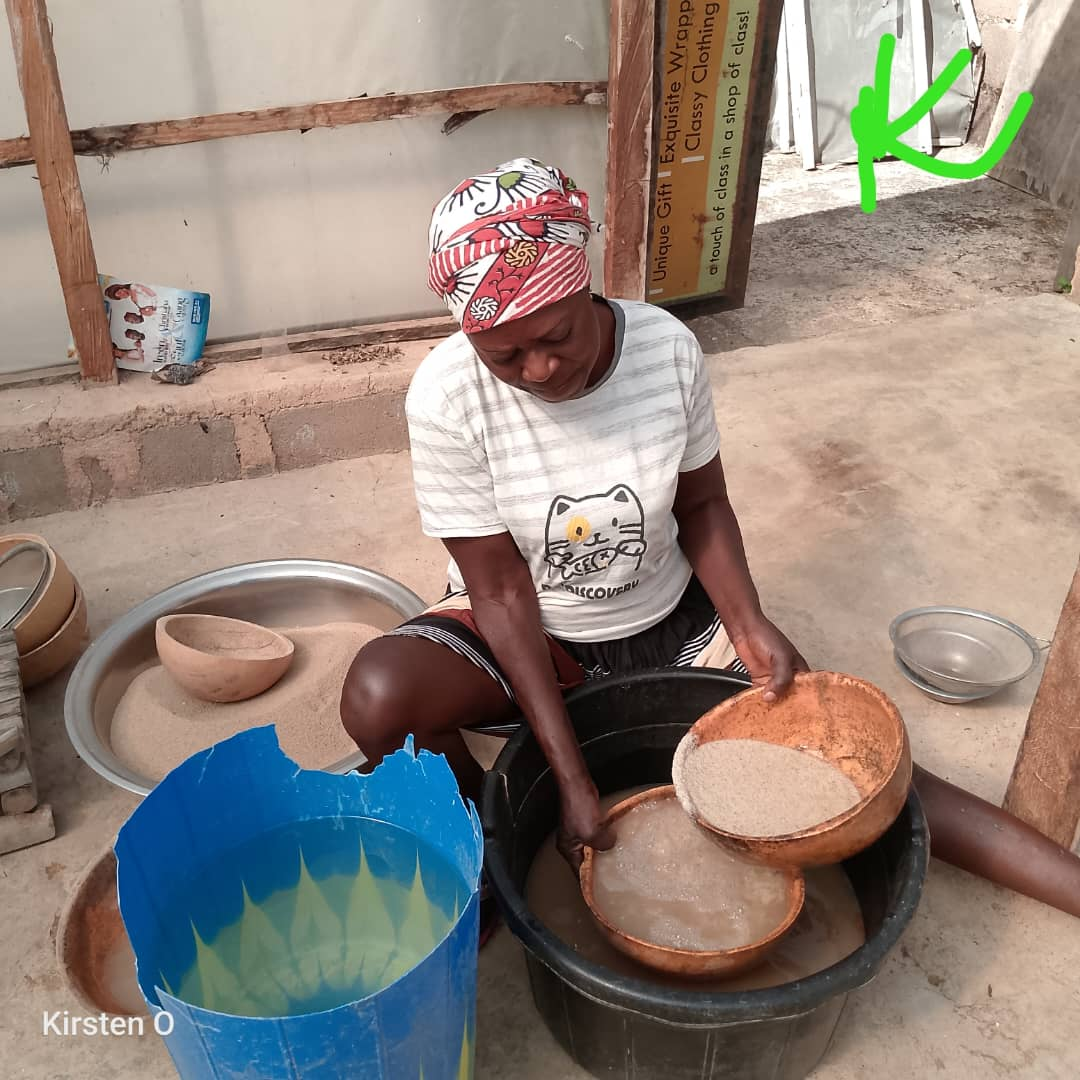
Across these essays, we will examine grains, leaves, soups, fermentation, and communal eating. We will listen to lived experiences, refer to science where helpful, and avoid exaggeration. Much of this knowledge has been preserved by women who fed families long before nutrition labels existed.
Healing is rarely sudden. It accumulates over time. It often begins when the body is met in a language it recognises.
Sometimes, that language is food.
Kirsten Okenwa is a writer, industrial chemist, and food systems–peacebuilding practitioner working with rural communities, documenting indigenous foods as memory, medicine, and community knowledge.