As the world marks another International Women’s Day, millions celebrate the resilience, strength and achievements of women.
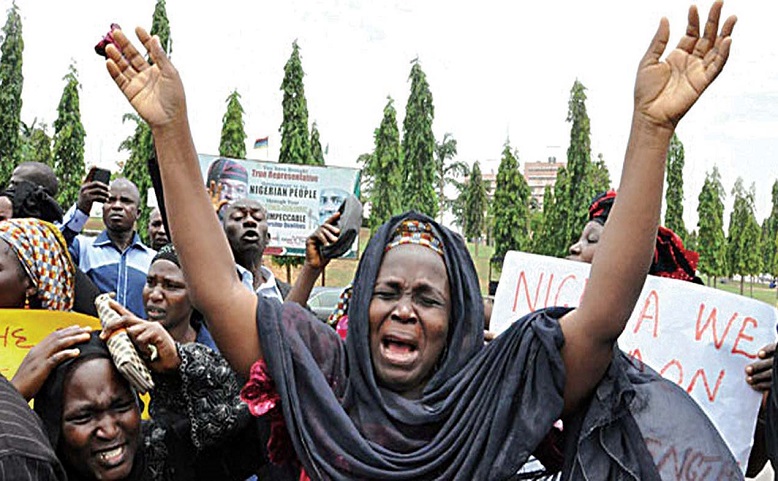
But across large parts of Nigeria, particularly in the north, many women are marking the day not with celebration, but with memories of terror.
For them, trauma has become a silent companion.
From communities in Benue State to the troubled villages of Southern Kaduna, and across the bandit-ravaged territories of Zamfara State, Katsina State, Niger State, Kwara State, Kebbi State, Borno State—where Nigeria’s insurgency first erupted and other northern states, countless women are living through a nightmare that seems to have no end.
Armed groups storm villages with chilling impunity.
Women are abducted like commodities. Many are raped, brutalised or killed. Others are forced to watch helplessly as their sons, husbands, brothers and neighbours are slaughtered before their eyes.
For survivors, the violence does not end when the gunmen leave.
It lingers in the mind.
And trauma, left untreated, does not simply fade away.
In recent months, the spread of terror has widened. Communities in Ondo State in Nigeria’s southwest, once considered relatively safe, have begun experiencing the same horror long endured in the north. Farmers now fear going to their fields. Travellers fear the roads. Gunmen strike with alarming ease.
What this creates is not only a security crisis.
It creates a psychological emergency.
Trauma has a vicious cycle. A deeply traumatised person can become a danger not only to themselves but also to society. Those who feel abandoned, unprotected or forgotten by the state may become vulnerable to manipulation, radicalisation or violence.
A nation that ignores the trauma of its citizens risks reproducing the very instability it seeks to defeat.
This is why Nigeria must confront not only the security dimension of terrorism, but also its psychological aftermath.
For every rescued victim, healing must go beyond ransom payments, family reunions or temporary shelter in internally displaced persons camps.
Survivors need structured psychological care.
Professional trauma counselling, long-term therapy, and community reintegration support are essential if these women and girls are to reclaim their lives.
The world still remembers the tragedy of the Chibok schoolgirls kidnapping.
It remembers girls like Leah Sharibu—whose story became a symbol of resilience and suffering.
But beyond these global headlines are thousands of unnamed women whose pain remains invisible.
Unknown mothers.
Unknown daughters.
Unknown survivors.
For them, justice means more than rescue.
It means closure.
And it means healing.
As Nigeria reflects during this historic month dedicated to women, the question facing the nation is simple yet urgent:
Will these women be remembered only as victims of terror, or will the country finally commit to helping them heal?
Because without healing the invisible wounds of trauma, Nigeria risks carrying the scars of this violence for generations to come.
Barrister Okenwa is the publisher of Law & Society Magazine. She can be reached at [email protected]