


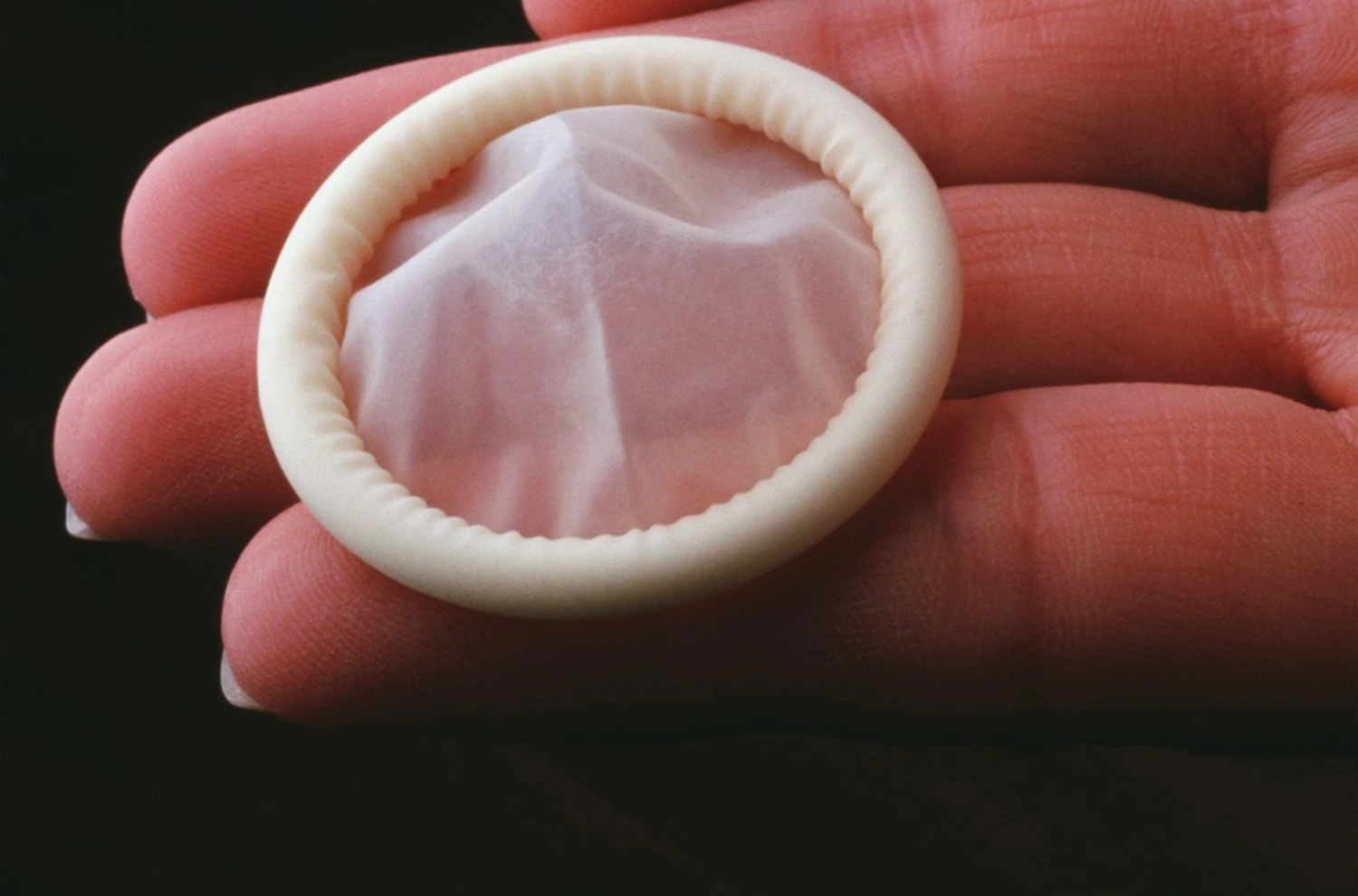
A viral video shared on Facebook claims that condoms contain over 100 toxic chemicals harmful to women’s reproductive health. The FactCheckHub investigated the claim.
The video, posted by Facebook user Lolo Crystal Chinelo, shows a woman reacting to a speaker who claims that a 2014 Danish study found condoms contain over 100 toxic chemicals, including hormone disruptors and carcinogens.
In the clip, the original speaker referenced a 2014 study, alleging that condoms contain toxic substances such as hormone disruptors and carcinogens.
She claimed that frequent use could expose women to harmful chemicals with potential risks to their reproductive health.
Part of the audio transcribed reads:
You use condoms, and you think it’s safe, but what if it’s slowly poisoning your body? A 2014 Danish study found over 100 toxic ingredients in condoms. Hormone disruptors, carcinogens, and spermicides that can damage the uterine wall. Each condom contains about 1.5 millilitres of lubricant. If a woman is intimate 300 times a year, she’s putting in her uterus over half a litre of this toxin into her body every single year…”
Since the inception of the video, it has garnered an attraction of over 9,000 likes, 2,100 reposts, and 371 comments.
The claim was also found here and here
Due to the sensitive nature of the claim, The FactCheckHub decided to examine the veracity of the claim.

What’s in a Condom?
Most condoms are made from latex, polyurethane, or polyisoprene. They often include added lubricants, flavourings, and colours. These extra ingredients, while designed for comfort, may sometimes include substances that cause irritation or allergic reactions.
Some products may be toxic
A 2024 report by The Guardian UK and Reuters cited a study that found that several popular brands of condoms and lubricants contained PFAS (Per-and polyfluoroalkyl substances), also known as “forever chemicals.” PFAS are knownto be reproductive toxicants and endocrine disruptors, and they have been linked to health issues such as low birth weight, reduced sperm counts, pregnancy-induced hypertension, infertility, and shorter duration of breastfeeding.
The study conducted by Mamavation, a consumer advocacy blog, in collaboration with environmental health researchers, highlighted that some condom brands and intimate products tested positive for PFAS levels beyond safe thresholds.
In addition, a 2001 study published in a health journal, Science Direct, identified the presence of N-nitrosamines, classified as potent carcinogens, in rubber products including condoms, baby bottle teats, and balloons. European regulations currently limit the release of these compounds due to their cancer-causing potential.
That study also found that about 0.6 nanogram of nitrosamines may migrate into the vaginal mucous membranes during sexual intercourse, estimating that lifelong exposure through 1,500 condom uses could result in the absorption of up to 0.9 micrograms of these substances.
Another study published by the National Institute of Health noted latex allergies and other additives, such as dimethylsiliconium, colourants, and flavourings which did not provide evidence of widespread toxicity or carcinogenic risk.
The study concluded that more data were needed to assess the cytotoxic impact of non-spermicidal lubricants and other compounds but did not suggest that condoms were inherently unsafe when used as directed.
Official guidance on condom safety
Regulators such as NAFDAC, the World Health Organisation (WHO), and the U.S. Food and Drug Administration (FDA) maintain that condoms are safe when manufactured and used according to established safety standards.
WHO publishes guidelines on male latex condom quality, ensuring limits on harmful additives like nitrosamines. It also notes that spermicidal lubricated condoms should no longer be promoted as it is ineffective in preventing HIV. However, it recommends using a nonoxynol-9 lubricated condom over no condom at all.
FDA mandates rigorous pre‑market testing for biocompatibility, shelf life, and latex integrity before approving condoms for use.
In Nigeria, NAFDAC enforces strict regulations on the registration, labeling, and post-market surveillance of condoms. While the agency has previously issued alerts about unregistered condom brands circulating in the market, it has not raised safety concerns about any NAFDAC-approved brands.
No evidence supporting viral claim
Further findings showed that the specific “2014 Danish study” cited in the viral video could not be found during a review of available academic literature.
Instead, a 2015 Danish study reviewed by The FactCheckHub discussed the use of condoms in preventing sexually transmitted infections among Danish Youths aged 15-29 living in Denmark.
Another Danish National Youth Study (DNYS), conducted in 2014 explored various aspects of health behaviours among young people, including sexual behaviour, but did not focus specifically on condom toxicity. The DNYS, a national survey, gathered data on a range of topics, including alcohol, tobacco, and cannabis use
The speaker in the viral clip was identified as Ayesha Depala, who is the owner of a fashion brand specialising in women’s clothing in the UAE and is also the co-founder of DiviNom Healing, the video was posted on this platform.
When our researcher contacted her via email requesting a link or evidence for the cited study, she responded with a document titled “100 Potentially Harmful Chemicals Found in Condoms and Related Products”, purportedly from the Institute for Toxicology & Consumer Safety Studies, dated May 2025.

The document included a methodology section and a list of 100 chemicals, but no verifiable links or references were provided nor names of researchers.
When the document’s title and the name of the Institute for Toxicology & Consumer Safety Studies were used in a keyword search, they did not lead to any official publication or website belonging to the institute. Instead, the search results pointed to the earlier-cited study conducted by Mamavation, which had been reported by Reuters and The Guardian.
Are condoms safe?
Condoms do not contain harmful toxins in amounts considered dangerous to human health when used as intended. While trace levels of substances like nitrosamines or PFAS may be present in some products, these are strictly regulatedto ensure safety.
According to the WHO, “Condoms, when used correctly and consistently, are safe and highly effective in preventing transmission of most sexually transmitted infections, including HIV, and unplanned pregnancies. Condoms are safe, inexpensive and widely available.”
To ensure their effectiveness and safety, WHO also notes that “condoms need to follow ISO standards and WHO/UNFPA specifications.”
Credit: ICIR





“So condoms might have some chemicals like PFAS and N-nitrosamines, but don’t freak out – regulatory bodies are on top of it to ensure they’re safe. Still, it’s cool to be aware and maybe look into some alternative options, right?”