


By Mojirayo Ogunlana
Yesterday, 15th September 2025, I represented the Nigeria Bar Association Section on Public Interest and Development Law (SPIDEL) at a Roundtable on Ethical and Hate-Free Politics organized by the National Human Rights Commission (NHRC), ably led by the Executive Secretary, Dr. Tony Ojukwu OFR, SAN.
Speaking in the panel on Hate Speech, Human Rights & Elections in Nigeria’s politics, in the stead of the Chairman of the SPIDEL Transition Committee Chairman, Prof. Paul Ananaba, SAN, I addressed the issue of hate speech across platforms affecting women and vulnerable groups.
Read Also: Otu Oka-Iwu Abuja demands apology from NIDCOM Chair over ethnic hate speech against Igbos
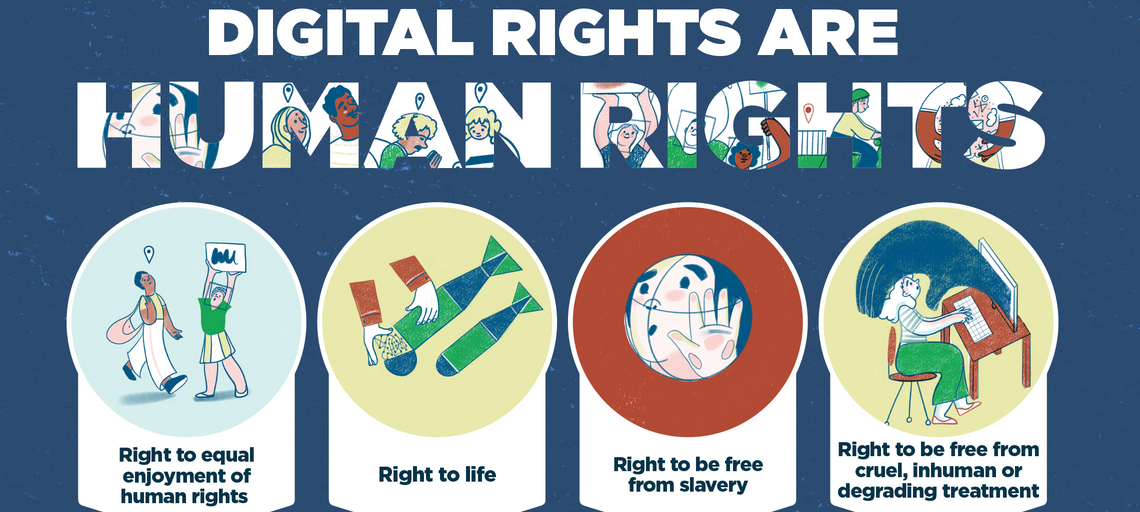
As an advocate of an open, free and safe Internet, I am aware that while canvassing for an Internet where freedom of opinion and expression is protected, there’s also the need to protect the digital space from hate speech. We must emphasize that digital platforms amplify marginalized voices in society. Digital platforms provide avenues for citizens to engage in governance through sharing of opinions and perspectives that would otherwise be disregarded or silenced. Freedom of Expression (FOE) is vital to the society and it fosters democracy by ensuring a healthy and thriving civic space.
However, as important as FOE is, not all speech is protected, especially speech that qualifies as propaganda for war and any advocacy of national, racial or religious hatred that constitutes incitement to discrimination, hostility or violence- Article 20 International Covenant on Civil and Political Rights (ICCPR).
In this vein, hate speech promotes division, hatred, divisive expressions and incites violence on a large scale that is to the detriment of the society.
Nevertheless, in addressing hate speech, we must not limit or prohibit freedom of speech. International law mandates that in dealing with cases of hate speech, there must be an intention to invite violent action.
Therefore, in crafting legislations we must ensure that they are not vague, ambiguous, overboard or suppress dissent. In the ECOWAS case of 23, October 2023, The Incorporated Trustees of Expression Now Human Rights Initiative V. Federal Republic of Nigeria, the Court held that Articles 3(1)(1) and 2, 15(2)(1) of the Nigeria Broadcasting Code (6th Edition) and Article 15(5) (1) of the Amendments to the Code contravene Article 9(1)&(2) of the African Charter on Human and Peoples’ Rights (ACHPR). The basis was that these provisions prohibited speech that was protected, and were too vague, ambiguous and overboard and the sanctions imposed in Article 15 were excessive. The Court ordered Nigeria to align this code with its international obligations and bring it to international standards.
The truth is that over-regulating hate speech can violate the right to freedom of expression, and under-regulating may lead to intimidation, harassment or violence against vulnerable groups.
Read Also: Nigerians Kick as Senate Introduces Bill Prescribing Death Penalty for ‘Hate Speech’
In addressing this, the government must ensure a multi-stakeholder approach so that all voices will be represented and we can have a homegrown and contextualized solution.
Furthermore, there is a dire need for a community-based Initiative that will serve as a tool for educating the populace as well as deter them from offending in this regard.
#DigitalRights
#hatespeech
#NHRC. Maitama abuja.






Balancing free expression with curbing hate speech is crucial — the law must be clear enough to prevent abuse while still protecting marginalized voices online.