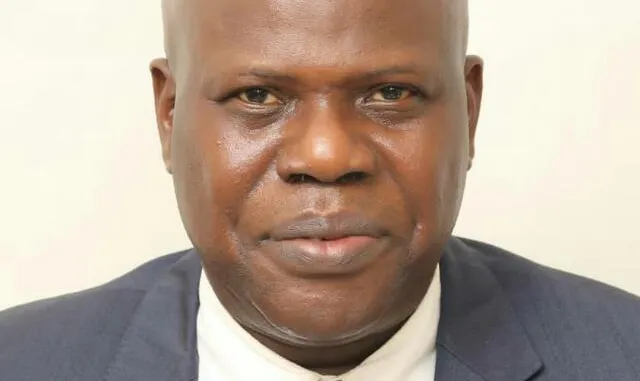
By Richard Odusanya
Democracy is more than just a system of government; it is a promise. In Nigeria, that promise carries deep meaning—born out of a long history of colonial rule, military interventions, and the collective struggle for freedom and self-determination. At its heart, democracy is the idea that power belongs to the people. In Nigeria, this means that every citizen—regardless of ethnicity, religion, gender, or social status—has a voice in shaping the nation’s future. Through elections and civic participation, Nigerians are meant to choose their leaders and hold them accountable.
Yet, in practice, democracy in Nigeria remains a work in progress.
While elections are regularly conducted, the true spirit of democracy is often challenged by issues such as electoral malpractice, weak institutions, corruption, insecurity, and limited accountability. Too often, the process of choosing leaders is overshadowed by the struggle to ensure that votes truly count. Even when leaders are elected, the connection between governance and the everyday needs of citizens can appear distant.
This gap between promise and reality highlights an important truth: democracy is not sustained by structures alone but by values.
For Nigeria’s democracy to thrive, three core virtues must take root more deeply:
■ Courage: Citizens must be willing to participate actively—not only during elections but in demanding transparency, speaking against injustice, and engaging in community and national discourse. Silence and apathy weaken democracy.
■ Integrity: Public office must be seen as a trust, not an opportunity for personal gain. Leaders, institutions, and even citizens must uphold honesty and accountability in both public and private life.
■ Devotion to democratic principles: Respect for the rule of law, credible elections, separation of powers, and protection of minority rights must be upheld consistently. Democracy cannot function where laws are selectively applied or institutions are undermined.
In Nigeria’s diverse society, democracy also plays another critical role.
It is the framework that allows different ethnic, cultural, and religious groups to coexist peacefully. When democratic principles are respected, diversity becomes a strength. When they are ignored, division and mistrust can deepen.
Importantly, democracy is not the responsibility of government alone. It belongs to the people. Citizens must move from being passive observers to active participants—asking questions, demanding results, and contributing to solutions within their communities.
Nigeria’s democratic journey has made progress, but the road ahead requires deliberate effort.
- Strengthening institutions,
- promoting civic education,
- ensuring electoral credibility, and
- rebuilding public trust
Collective Responsibility and Accountability are not optional—they are essential.
Ultimately, the future of democracy in Nigeria will not be decided only at the ballot box but in the daily actions of its people and leaders.
The promise of democracy remains alive—but its fulfillment depends on whether Nigerians, collectively, are willing to defend it, nurture it, and make it work.
In my final reflection on this contribution and following from the above, there are two quotes I would like to use to roundup. The first one being: “Power corrupts and absolute power corrupts absolutely” and the second one being: “The road to hell is paved with good intentions”. In Africa today, many countries in the continent are still fighting for their freedom, whether it be economic, social, political, environmental, or psychological.
Sadly, in many African countries, democracy is under pressure: electoral systems have come under attack, authoritarianism is resurgent, and civic freedoms are shrinking. Against this backdrop, democracy without opposition is not a democracy and should outrightly be considered authoritarianism. Therefore, the “opposition” should in no way be confused with “hostility” to the government.
@richardODUSANYA
The views expressed by contributors are strictly personal and not of Law & Society Magazine.