A fast-escalating diplomatic standoff is rattling Southern Africa, after Duma Boko’s government took the extraordinary step of cutting electricity exports to parts of South Africa and sealing its borders, citing rising xenophobic attacks against its citizens.
The sweeping measures, unprecedented in the region’s post-apartheid history, mark a sharp break from decades of quiet diplomacy and regional solidarity.
Power Cut With Regional Consequences
Botswana’s reported suspension of electricity supply to several South African provinces threatens to deepen an already fragile energy situation in Africa’s most industrialized economy, where rolling blackouts have become routine.
While officials have yet to outline the full scope of the disruption, the move signals a willingness to weaponize economic leverage in response to what Gaborone describes as sustained hostility toward Batswana nationals.
Borders Closed, Citizens Recalled
In tandem, Botswana ordered the immediate closure of its borders with South Africa and called for the urgent return of its citizens, framing the directive as a protective measure amid growing unrest.
In a nationally televised address, President Boko struck a sharply emotional tone—invoking history as both warning and rebuke.
“We stood with you during your fight against oppression,” he said. “Today, our citizens are humiliated.”
The statement reflects mounting frustration among African governments over recurring waves of xenophobic violence in South Africa—long a magnet for migrants seeking economic opportunity.
A Region Reacts
Botswana’s actions appear to be triggering a broader diplomatic ripple effect across the continent.
Several countries are now reassessing their posture toward South Africa, with some reportedly issuing ultimatums to South African nationals and reviewing trade and travel arrangements. Others, meanwhile, are accelerating alternative regional partnerships—signalling a potential realignment in Southern African cooperation.
Xenophobia, Politics, and Pressure
Driving the crisis is South Africa’s long-running struggle with xenophobia, periodically inflamed by economic hardship and political rhetoric.
Julius Malema, leader of the Economic Freedom Fighters, recently condemned anti-immigrant violence, questioning its economic logic:
“After chasing foreigners, how many jobs have you created?” he asked, criticizing those who scapegoat migrants without addressing structural unemployment.
But such voices compete with more hardline narratives. Figures linked to movements like uMkhonto weSizwe and traditional authorities—including Misuzulu kaZwelithini—have faced criticism for rhetoric widely seen as inflaming tensions against foreign nationals.
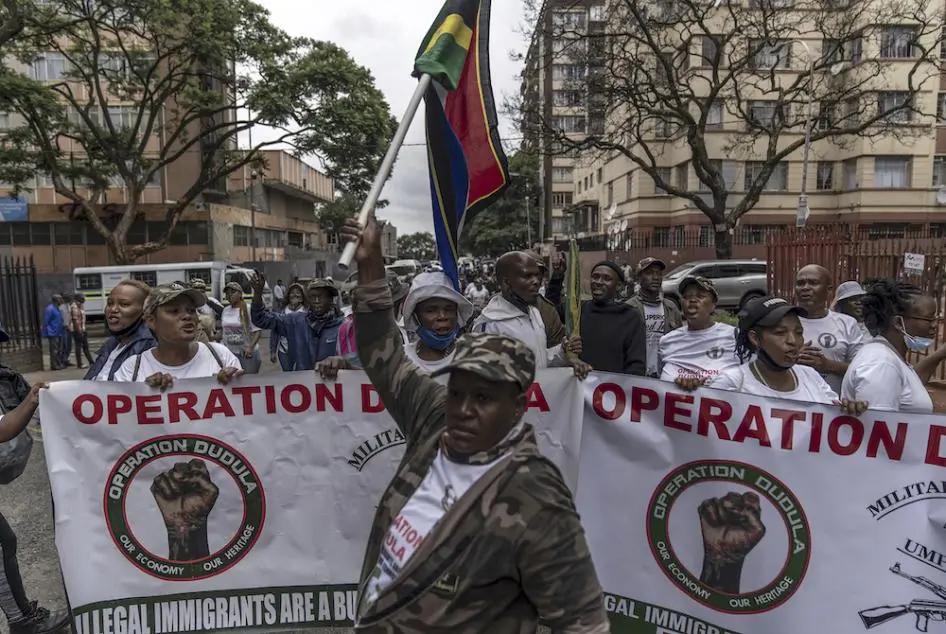
Grassroots groups such as Operation Dudula have also gained prominence, amplifying calls for the removal of undocumented migrants.
Old Debates, New Tensions
The unfolding crisis is also reviving a deeper, unresolved continental debate: whether African nations paid too high a price supporting South Africa’s liberation struggle.
Columnist Festus Adedayo recently argued that billions spent by countries like Nigeria might have been better invested domestically, potentially reducing outward migration.
But that view has drawn sharp rebuttal.
Senior Advocate of Nigeria Ikeazor Akaraiwe, SAN, countered bluntly:
“If that money had not been spent, it would not have made Nigeria better—it would have been stolen.”
A Turning Point for African Diplomacy?
Botswana’s actions signal a potential shift in how African states respond to internal crises spilling across borders—from dialogue to direct economic and political pressure.
What was once managed quietly through regional blocs may now be entering a more confrontational phase.
And as tensions rise, one question looms: Is this a temporary rupture, or the beginning of a deeper fracture in African unity?