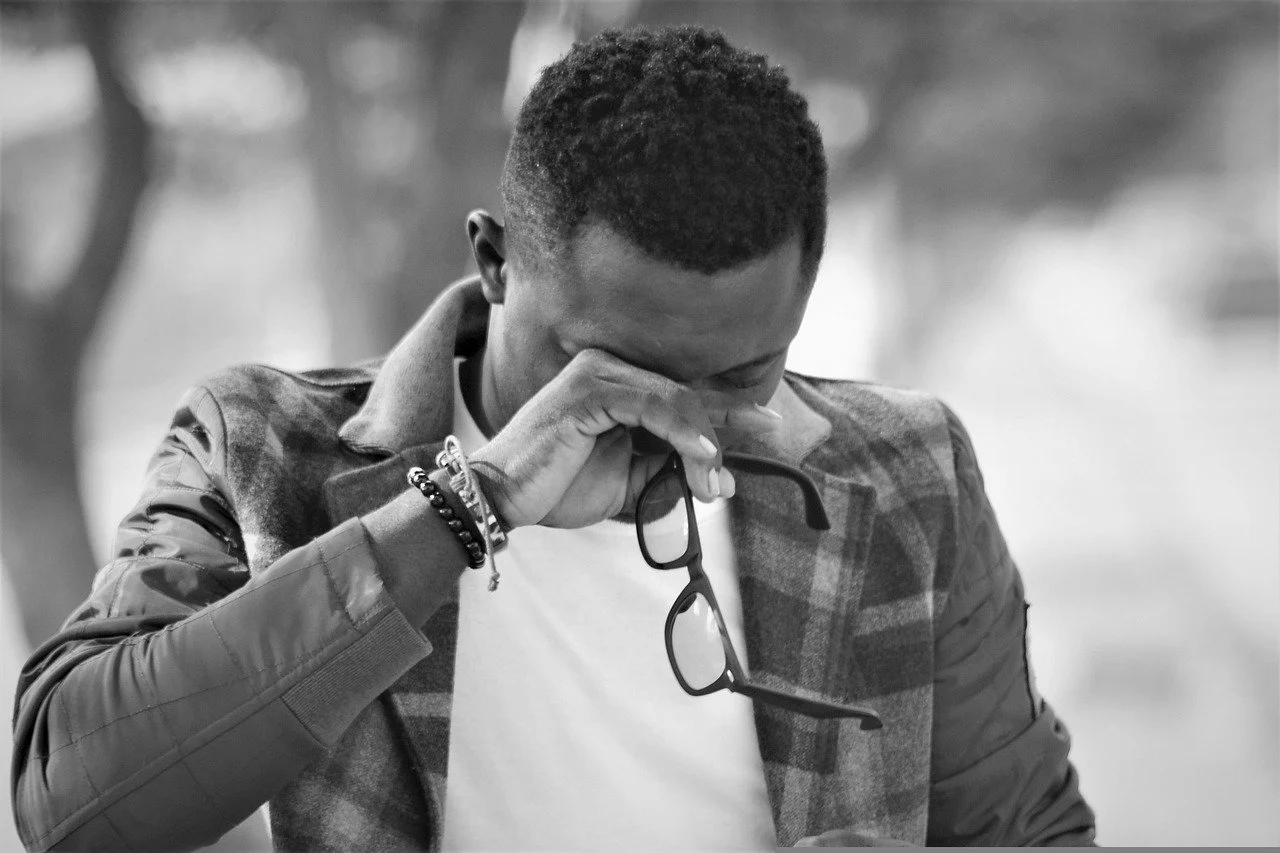
While global data unequivocally shows that women disproportionately bear the devastating brunt of domestic and gender-based violence, two extraordinary cases out of Zimbabwe and Nigeria have exposed the underreported flip side of marital abuse—proving that while men rarely cry out due to social shame, the violence they face can be just as catastrophic.
Domestic and gender-based violence remains one of the most pervasive human rights violations across Africa. Statistically, women overwhelmingly suffer the highest rates of spousal abuse, coercive control, and intimate partner homicide. However, two recent, shocking cases emerging from Zimbabwe and Nigeria serve as a stark reminder that domestic abuse is not entirely one-sided—and that male victims face a unique wall of societal silence.
Harare: A Conjugal Dispute Ends in Mutilation
In the suburb of Dzivarasekwa 2, Harare, an argument over suspected infidelity escalated into extreme physical violence.
Sharline Rutendo Munenga, a 29-year-old Zimbabwean woman, confronted her 33-year-old husband, Munyaradzi Pondi, after receiving information alleging he was having an extramarital affair. When Pondi’s explanations failed to satisfy her, the dispute turned physical.
In a gruesome turn of events, Munenga allegedly bit her husband’s private parts, inflicting severe, life-threatening injuries. Pondi was rushed to the hospital in critical condition, while Munenga was arrested and remanded in custody by a Harare magistrate on physical abuse charges pending further court proceedings.
Nigeria: The Stigma of the Silence
Meanwhile, before a Nigerian customary court, a husband petitioned for an immediate dissolution of his marriage, describing a daily routine of physical beatings and persistent disrespect from his wife.
Unlike female victims, who often struggle against systemic patriarchy and lack of institutional support, male victims face an acute cultural barrier: Intense social stigma and shame. In many African societies, a man admitting to being physically beaten or mutilated by his wife is met with ridicule rather than protection, causing vast numbers of abused men to suffer in silence until an incident becomes life-threatening or reaches a courtroom.
Framing a Balanced Perspective on Domestic Abuse
To understand these incidents requires recognizing both the statistical reality of domestic abuse and the hidden exceptions:
- The Predominant Crisis: Statistically, women remain vastly more vulnerable to systemic intimate partner violence, economic dependency, and domestic homicides. Activists consistently stress that focusing on male victims should never diminish the urgent, primary struggle against violence targeting women.
- The Taboo of Male Victimhood: Conversely, because male victimization is statistically lower and rarely reported, cases involving male victims often lack dedicated shelter networks, specialized legal aid, or sensitive law enforcement responses.
- A Universal Standard of Justice: Violence in the home is unacceptable regardless of who holds the weapon or inflicts the injury. Whether addressing the systemic danger women face daily or the deeply stigmatized abuse suffered by men, the legal system must enforce accountability without gender bias.
These concurrent cases in Southern and West Africa highlight a crucial truth: While the fight against gender-based violence must continue to protect vulnerable women, the door to justice, medical care, and social support must remain open to any victim trapped in a violent home.