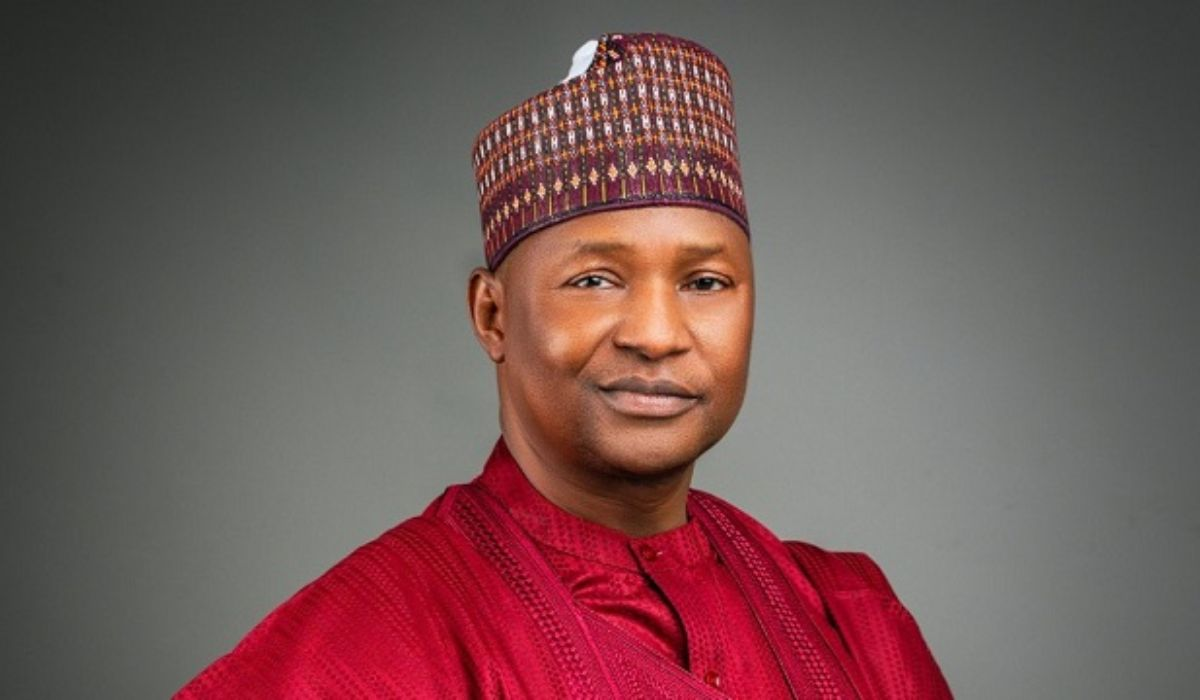
Abuja—A Federal High Court order temporarily seizing 57 high-value properties allegedly linked to former Attorney General of the Federation Abubakar Malami, SAN, has ignited a broader debate about accountability, asset recovery, and how Nigeria repurposes wealth suspected to have been acquired through corruption.
On Tuesday, Justice Emeka Nwite granted an interim forfeiture order sought by the Economic and Financial Crimes Commission (EFCC), ruling that the properties—spread across Abuja, Kano, Kebbi, and Kaduna—are reasonably suspected to be proceeds of unlawful activity. The assets include luxury hotels, duplexes in Abuja’s most exclusive districts, shopping plazas, warehouses, and hundreds of hectares of land.
The order authorises the Federal Government to temporarily take possession of the properties while inviting any interested parties to show cause within 14 days why a final forfeiture should not be granted.
But as the legal process unfolds, a new proposal has entered the national conversation.
In an open letter addressed to EFCC Chairman Ola Olukoyede, Dr Tonye Clinton Jaja, Secretary of the Association of Legislative Drafting and Advocacy Practitioners (ALDRAP), urged the anti-graft agency to convert at least five of the forfeited Abuja properties into permanent headquarters for federal justice institutions that currently operate without their own buildings.
“These agencies enforce the law, protect rights, and defend the vulnerable—yet they remain crammed into unsuitable spaces,” Jaja wrote. “This is a rare opportunity to turn alleged proceeds of crime into public assets that strengthen justice delivery.”
The agencies listed include the Legal Aid Council of Nigeria, Nigerian Copyright Commission, National Agency for the Prohibition of Trafficking in Persons (NAPTIP), National Human Rights Commission, and the Nigerian Law Reform Commission—bodies that all fall under the Federal Ministry of Justice but lack purpose-built headquarters.
Jaja, a former chairman of the Nigerian Copyright Commission governing board, recalled unsuccessfully petitioning Malami during his tenure to allocate confiscated properties to justice agencies. According to him, those requests were repeatedly ignored.
Meanwhile, the forfeiture order has intensified scrutiny of Malami, who served as Nigeria’s chief law officer from 2015 to 2023 under former President Muhammadu Buhari.
The EFCC is prosecuting Malami, his wife, Hajia Bashir Asabe, and his son, Abubakar Abdulaziz, on a 16-count charge bordering on alleged money laundering totalling ₦8.7 billion. Prosecutors allege that the defendants used corporate fronts and indirect transactions to conceal the origin of funds and acquire assets across multiple states over ten years.
Court filings accuse the former minister and his family of violating Nigeria’s Money Laundering (Prohibition and Prevention) Acts by disguising illicit funds through bank accounts and property purchases. One count alleges that over ₦1 billion was concealed through a corporate account between 2022 and 2025.
While Malami has not publicly responded to the forfeiture order, legal analysts say the scale of the seized assets makes the case one of the most significant corruption probes involving a former attorney general.
Justice Nwite has scheduled January 27 for a report on compliance with the publication of the forfeiture notice—a critical step before the court determines whether the assets will be permanently transferred to the state.
For advocates like Jaja, however, the case goes beyond prosecution.
“If these assets are finally forfeited,” he wrote, “they should not disappear into bureaucratic limbo. They should visibly serve the public interest—especially institutions tasked with justice, human rights, and legal reform.”
As Nigerians watch closely, the question remains whether the forfeiture will mark a turning point—not only in the fight against corruption, but in how recovered wealth is returned to the people it was taken from.