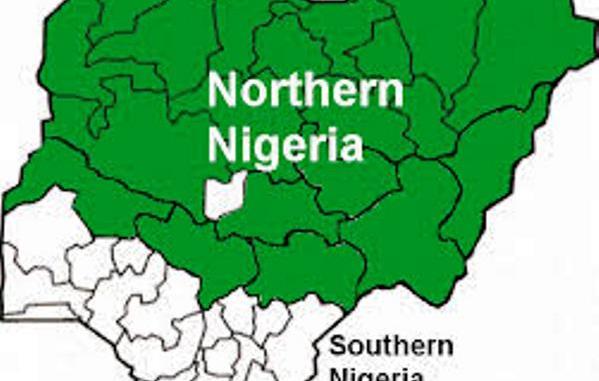
Arewa leaders heard a stark message in Kaduna during the ACF 25th anniversary event.
Jibrin Ibrahim, a senior fellow at the Centre for Democracy and Development, warned that current trends point to regional collapse.
Ibrahim pointed out that future analysis shows a pathway that leads Arewa toward annihilation if nothing changes.
He stressed that trend analysis is not prophecy but a scientific method for anticipating outcomes.
He noted that Arewa’s biggest threat is bad governance fuelled by corruption and self-interest.
He added that leaders have failed to provide security, welfare and essential public goods, urging that citizens also lack the power to force accountability despite rising anger.
Ibrahim outlined grim projections for the next decade.
He warned that ACF may soon avoid Kaduna for fear of violence and kidnappings.
He predicted rising separatist agitation in other regions, creating intense external pressure.
He said Arewa may struggle with internal fractures among its major zones.
He warned that millions of armed civilians could become the biggest winners in the chaos.
He stated that futures studies aim to prevent the worst outcomes.
He urged Arewa leaders to rethink their trajectory and confront reality with honesty.
He referenced the Grazing Reserve Law of 1965 as an example of early foresight.
He lamented that governance knowledge was later lost after political upheavals.
Ibrahim recalled a 1990s study predicting today’s crises.
He said the warnings covered population growth, youth joblessness and collapsing education.
He noted that governments ignored these alerts for decades.
He stated that Nigeria now faces consequences on every front.
He also referenced a recent trend analysis projecting deeper instability by 2050.
He said the North is hit hardest by poverty, illiteracy and insecurity.
He added that unemployment and a growing youth bulge fuel violent precarity.
He described how armed groups now dominate large rural territories.
He cited millions of illegal weapons circulating nationwide.
He said communities live under constant fear and displacement.
He argued that Nigeria’s ungoverned spaces keep expanding daily.
Turning to leadership failure, Ibrahim recalled that early Northern leaders valued discipline, service and integrity.
He contrasted them with today’s leaders who prioritise wealth and comfort over governance.
He stressed that leadership must involve sacrifice, vision and discipline.
He said Nigeria suffers because public office holders do not understand these duties.
He proposed new leadership criteria for Arewa and emphasised integrity and competence as non-negotiable requirements.
He urged communities to help credible individuals enter public service and stressed minimum education standards and age limits for leadership roles.
He added that leaders must respect democracy, the rule of law and civic culture.
Ibrahim closed with a warning that Arewa must embrace foresight or face deeper instability.
He urged the ACF to commission a full futures study and concluded that Nigeria still has hope if leaders act with urgency and vision.