Home Blog Page 970

Buhari should speak to us… we didn’t vote for Garba Shehu, Femi Adesina ——– Senator Melaye

The former senator representing Kogi West, in Kogi State, Dino Melaye, has said that President Muhammadu Buhari is “absent and unavailable.”

Melaye said the president cannot continue to speak to Nigerians through his spokespersons, Messrs Femi Adesina and Garba Shehu.

According to the Peoples Democratic Party, PDP, chieftain who spoke in an interview on an Africa Independent Television’s, AIT’s programme, Buhari’s silence is detrimental to the war against insecurity in the country.

Melaye’s words, “President Buhari needs to speak to Nigerians directly, he needs to communicate with the media. Our president is absent, and this has negative concomitant effects on the war against insecurity in the country.

“It is very pathetic, but our president is not available. All we hear is presidency says, we didn’t vote for Garba Shehu or Femi Adesina.

“All our security challenges boils down to leadership failure, the president of the Federal Republic of Nigeria is grossly incompetent, not capable and all I expect is that since this man has shown more than enough evidence that he has no capacity to run this country…

“President Buhari should, in the interest of children yet unborn, in the interest of Nigerians that are dying, excuse us. It is simple, he should resign.”

On the APC senators’ decision not to join their PDP counterparts’ call to impeach Buhari, he said the 9th assembly is a creation of the president, and will always carry out the dictates of the presidential villa.

According to Melaye, “It is expected they will speak like that, because both chambers of the National Assembly, NASS, the leadership of the national assembly is a creation of the villa, as we speak now, national assembly is a department of the villa.

“It is evident in the NASS decision not to impeach Buhari, despite the array of insecurity, and gross display of incompetence by this government.”

Credit:southeastpost

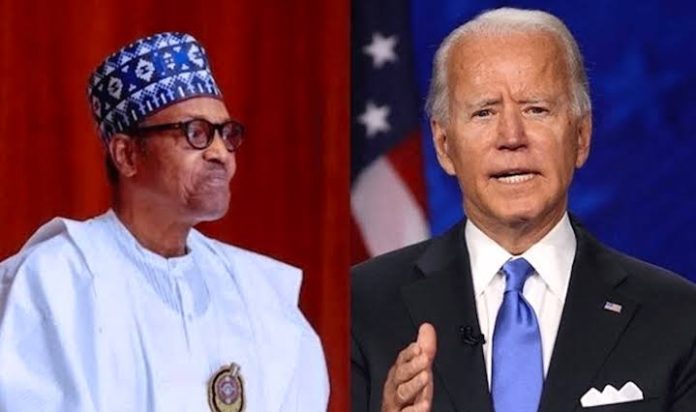
US Replies Buhari….We Won’t Relocate AFRICOM To Africa

 The United States  has said there is no plan to relocate its Africa Command from its current base in Germany to Nigeria or any other part of Africa despite the worsening state of insecurity in the region.

The US gave the response barely two weeks after the President Muhammadu Buhari appealed to the US government to consider relocating AFRICOM to Africa to assist Nigeria and other adjoining countries to combat worsening terrorism, banditry and other security crises.

The President made the plea in a virtual meeting with the US Secretary of State, Antony Blinken, on April 27.

Germany-based Africa Command (AFRICOM) is the US military headquarters that oversees its operations in Africa.

Buhari’s request followed a series of recent military casualties in Nigeria’s decade-long fight against Boko Haram terrorists, fresh expansion of the insurgents’ bases to Niger and Nasarawa States, and heavy waves of abductions and killings by bandits in the North.

Buhari said, “The security challenges in Nigeria remain of great concern to us and impacted more negatively, by existing complex negative pressures in the Sahel, Central and West Africa, as well as the Lake Chad Region.

“Compounded as the situation remains, Nigeria and her security forces remain resolutely committed to containing them and addressing their root causes.

“The support of important and strategic partners like the United States cannot be overstated as the consequences of insecurity will affect all nations, hence the imperative for concerted cooperation and collaboration of all nations to overcome these challenges.

“In this connection, and considering the growing security challenges in West and Central Africa, Gulf of Guinea, Lake Chad region and the Sahel, weighing heavily on Africa, it underscores the need for the United States to consider relocating AFRICOM headquarters from Stuttgart, Germany to Africa and near the Theatre of Operation.”

However, the US government on Thursday ruled out any plan to relocate AFRICOM from its current base in Germany to Nigeria or any part of Africa.

According to the United States Department of Defence’ Pentagon, previous studies have shown that the cost of relocating AFRICOM from Germany to Africa is very huge.

In an emailed response to Saturday PUNCH, the Pentagon said although it would continue to value Nigeria and other countries in Africa as important partners, the American government would not consider relocating AFRICOM to any part of the African continent at the moment.

This newspaper had asked if the US would consider Nigeria’s request to relocate AFRICOM to the continent.

“It would be inappropriate to speculate on any future actions. However, at this time, moving this headquarters (AFRICOM HQ) to Africa is not part of any plans, but USAFRICOM’s commitment to their mission, our African and other partners, remains as strong today as when we launched this command more than a decade ago,” US Pentagon spokesperson, Ms Cindi King, said.

King also ruled out any plan to consider Buhari’s request in an ongoing global US defence review.

She said, “Although there is an ongoing Global Posture Review, the relocation of Combatant Command headquarters is outside the scope of its assessment. In the case of AFRICOM, previous studies have concluded that the cost associated with the relocation of this headquarters is significant and likely to incur the expense of other engagement opportunities and activities that more directly benefit our valued African partners.

“We greatly value the partnership with Nigeria and appreciate President Buhari’s recognition of the United States’ positive contribution to African peace and security, as well as other regional partners that have made similar past pronouncements. The United States remains committed to continuing our close partnership with African countries and organisations to promote security and stability.”

It’s ‘near impossible’ for America to accept Buhari’s invitation –Campbell, ex-US ambassador

Meanwhile, a former United States Ambassador to Nigeria, John Campbell, has listed reasons why it is “unlikely or near impossible” for the US government to relocate AFRICOM from Stuttgart in Germany to Nigeria or any part of the continent.

He said aside from the fact that the cost of doing so is very huge, the Nigerian military had proved to be a difficult partner for the US over the years.

In an emailed interview with Saturday PUNCH, Campbell, who is the Ralph Bunche Senior Fellow for Africa Policy Studies at the Council on Foreign Relations, a Washington, DC-based think-tank, said, “From an American perspective, moving AFRICOM’s headquarters after 14 years in Stuttgart would be a major undertaking.

“However, should the AFRICOM headquarters move, it is unlikely – if not impossible – that it would be to Africa, with its logistical challenges. Some in the US Congress support moving AFRICOM’s headquarters to the United States as a cost-effective alternative. For example, South Carolina’s senators, both Republican, have advocated moving it to Charleston, the site of large US military installations.

“It is mostly a matter of money. Moving AFRICOM to Africa would require the construction of a sophisticated installation in areas where the basic infrastructure may not yet have been developed. Moving it to the United States would mean making use of already existing but underused installation (e.g., perhaps Charleston) that could be quickly and more cheaply expanded, if necessary.”

The ex-envoy, however, said Buhari’s request marked a reversal of Nigeria’s official opposition to AFRICOM plans to move it to the continent 14 years ago.

“The shift likely reflects the conclusion that the security situation in West Africa and Nigeria is out of control, spurring a willingness to consider options hitherto unacceptable. Buhari argued that AFRICOM’s headquarters should be closer to the theatre of operations. He also seemed to imply greater US involvement in West African security, including a kinetic dimension in the context of greater Western support for West Africa’s response to its security threats.”

He recalled that when President George W Bush established AFRICOM in 2007, a military-civilian hybrid command in support of Africa, African official reaction was largely hostile, seeing the effort as “neo-colonialist.”

Campbell said, “The Nigerian government took the lead in persuading or strong-arming other African states against accepting the AFRICOM headquarters, which was thereupon established at Stuttgart, Germany, already the headquarters of the European Command.

“In addition to opposing AFRICOM in the first place, the Nigerian military authorities have been largely uncooperative with the US military. Hence, the US military involvement in Nigeria, beyond limited training operations, is minimal, and the country does not host any American defence installations.

“Successive Nigerian governments have wanted to purchase sophisticated American military equipment but have rejected US oversight. In fact, Nigerian purchases of US military materials have been rare, despite their high-profile, ultimately successful purchase of 12 A-29 Super Tucanos – sophisticated aircraft.”

Why US can’t relocate AFRICOM troops from Germany to Nigeria –Chatham House fellow

Corroborating Campbell’s view, an Associate Fellow at the United Kingdom-based Chatham House, Matthew Page, said there was no prospect of the US relocating its AFRICOM HQ from Germany to any part of Africa.

Chatham House, also known as the Royal Institute of International Affairs, is an independent policy institute headquarters whose mission is to provide authoritative commentary on world events and offer solutions to global challenges.

Page said, “There is absolutely no prospect of this happening. A combatant command headquarters is an administrative node that requires enormous physical infrastructure and thousands of personnel (and their families) to sustain it. They need to be able to safely live, work, and send their children to school locally. The Nigerian government is unable to safeguard the lives of hard-working Nigerians, never mind a US military installation that would be a juicy target for a terrorist attack.

“With the exception of European Command and Africa Command – which for longstanding historical reasons are located and headquartered in Germany – all combatant commands are located in the United States. These commands do have forward elements and subordinate commands based in the theatre of operations, such as Combined Joint Task Force-Horn of Africa (CJTF-HOA) based in Djibouti. But these typically are task-specific and have a light local footprint. The United States is not – and doesn’t want to be – an imperial power with permanent military outposts on the continent. Nor should African leaders be asking it to become one.”

Page, who was previously with the US Department of State’s Bureau of Intelligence and Research, further said, “I am sure the Biden administration was puzzled by President Buhari’s invitation, given that Nigeria has been a reluctant and difficult security partner for the United States. The Nigerian Army has long viewed US military engagement in West Africa with deep suspicion, shunning deeper ties and ignoring Washington’s calls for security sector reform and human rights improvements. Inviting AFRICOM to relocate to Nigeria is the equivalent of proposing marriage before going on a first date.”

Source : Punch

A new offering from a luminous mind

By Sam Kargbo

Whether as a counsel in Court or as an advisor or as a maker of a legal document or instrument covering relationships, social or business transactions or as opinion giver in respect of laws, regulations, policies, and documents, the services of a lawyer centre on the espousal, advancement and protection of the rights of individuals or groups of individuals. Incidentally, the individual, whether a natural human being or an artificial entity, is a bundle of rights and obligations.

The global community has identified and itemized in numerous multilateral instruments certain rights and freedoms that are considered to be basic and attaching to every person in the world from birth until death. Those basic rights are said to be available, and apply to the individual regardless of his or her race, colour, creed, status in life or place of residence.  These universal and inalienable rights that cover the life and dignity of the human person and every aspect or endeavour of the individual are collectively called natural or human rights. This is why the job and the sphere of operation of a lawyer are boundless.

We must engage our youths positively through Sports - Chief Onoja SAN - ::  Enduring News ::
Chief Ogwu James Onoja, SAN

Human rights are indisputably important to the life of not just the individual but every modern democratic country. The actualization of a society whereby every person and all peoples would be entitled to and do have active, free and meaningful participation in – contribution to, and enjoyment of – civil, political, economic, social and cultural development, is largely dependent on the quality of the human rights regime of that society.

It is in the realization of this that human rights have, over time, attracted a multidisciplinary approach and attention. In the process, there is a wide range of literature on human rights, but also on the interdependence and interrelatedness of the various heads of human rights. Such collectivized efforts have also revealed and demonstrated how one right often depends, wholly or in part, upon the realization of others. It has been stated, for instance, that the realization of the right to health may depend on the realization of the right to education or of the right to information.

Such rights as the right to life, dignity, expression, thought and conscience are also said to be largely dependent on the individual’s quality of education and economic status. The right to vote, which has been identified as the pillar of democracy and political life and governance systems of modern democracies, has also come under heavy criticism because of the prevailing illiteracy of the majority of the beneficiaries of that right in Africa and many less developed countries.

The convergence of the international community on the importance of human rights has, over time, produced such important and influential multilateral documents as the Universal Declaration of Human Rights (UDHR, 1948), the International Covenant on Civil and Political Rights (ICCPR, 1966) and its Optional Protocol, and the International Covenant on Economic, Social and Cultural Rights (ICESCR, 1966). Known collectively as the International Bill of Human Rights, these four documents have been followed by more than twenty human rights conventions — treaties that become binding law in those countries that ratify and domesticate them.

In line with the membership responsibilities, each UN member state is expected to ratify and domesticate those conventions and conduct its life in conformity with the principles of those conventions. Individual countries do not, however, domesticate every aspect of those conventions. In Nigeria, the constitution identifies and guarantees certain rights under its Chapter Four (Sections 33-44) that are collectively called Fundamental Rights. The rights are the right to life, right to dignity of the human person, right to personal liberty, right to a fair hearing, right to private and family life, right to freedom of thought, conscience and religion, right to the freedom of expression and the press, right to peaceful assembly and association, right to freedom of movement, right to freedom from discrimination, right to acquire and own immovable property anywhere in Nigeria, and right to freedom from compulsory acquisition of property.

To underscore the sanctity and fundamentality of the above-listed rights, the Constitution provides, under Section 46(1), that any person who alleges that any of the provisions of Chapter Four has been – is being or likely to be – contravened in any State in relation to him or her may apply to a High Court in that State for redress. The Constitution further empowers in Section 46(2) a High Court (State or Federal) to have original jurisdiction to hear and determine any application made to it concerning likely, impending or actual fundamental right breaches or violations and to make appropriate orders, writs and directions that the circumstances of each application may require.

The provision that has revolutionized fundamental rights litigation in Nigeria is Section 46(3) which empowers the Chief Justice of Nigeria to make rules with respect to the practice and procedure of a High Court for the purposes of enforcing the itemized fundamental rights. In exercise of that power, Justice Indris Legbo Kutigi, GCON, who was the then Chief Justice of Nigeria, made FUNDAMENTAL RIGHTS (ENFORCEMENT PROCEDURE) RULES, 2009.

In a two-volume beautifully printed and bound book with the title Fundamental Rights (Enforcement Procedure) Rules, 2009: Practice, Procedure, Forms and Precedents, Chief Ogwu J. Onoja, SAN, brought to bear his experience and expertise in annotating and simplifying Civil Procedure Rules.

Published in September 2020 by Bar and Bench Publishers in Abuja, Nigeria, the book – boasting a foreword penned by Hon. Justice Dr Ibrahim Tanko Muhammad, CFR, the Chief Justice of Nigeria – is divided into three parts, spread in two volumes. Instead of Chapters, the book has “Orders” as its respective headings. Part One covers the Fundamental Rights (Enforcement Procedure) Rules, 2009, and Part Two deals with Contemporary Issues on Enforcement of Fundamental Rights. The concluding Part Three presents selected Federal and State High Court Judgments/Rulings.

Following in the tradition of his earlier works, that is, Supreme Court Rules: Practice and Procedure, 2010; Court of Appeal Rules: Practice and Procedure, 2010 and the Federal High Court Rules: Practice and Procedure, 2012, the author painstakingly takes the reader through every aspect of the Fundamental Rights (Enforcement Procedure) Rule, 2009.  The reader is presented with authoritative fast page-turning commentaries and up-to-date illuminating appellate decisions on the Preamble, and each and every order that makes up the Fundamental Rights (Enforcement Procedure) Rules, 2009.

Besides the masterfully creative structure of the book and the outstandingly professional handling of the respective orders of the rules, what makes the book a standout material, and for which lawyers and non-lawyers will be grateful to the author, is its lucid and readable communication style. The author did not fall for the temptation of writing for lawyers. He wrote in simple language as if he was addressing a jury. This, no doubt, will make the book a preferred item in the libraries of Non-Governmental Organizations that are involved in the vast area of human rights.

For lawyers, nothing is as pleasing as research or practice made easy. Nothing makes life better for the lawyer or the judge than a seminal work on an issue or issues that he or she is regularly faced with. A well-researched book is as handy to a practising lawyer and judge as the calculator is to an arithmetic student. The author did not take a chance on any topic or issue on Fundamental Rights Litigation. Thankfully, he did not, in any guise, try to prove smart by brandishing distracting academic opinions. He simply laid the law and authorities as stated by the Appellate Courts.

The author further enriched his meal with authoritative commentaries on contemporary issues on Fundamental Rights Litigations. The precedents will undoubtedly be among the favourites for practising lawyers,

Of course, a reprint will address and correct the obvious typographical errors in the book.

If I were to grade the book, in consideration of the other books out there on Fundamental Rights Litigation, I would score this book A+ and advise every Lawyer to pick a copy. The author has done the job.

Why Surrogacy is Unlawful in Parts of Nigeria?

Why Surrogacy is Unlawful in Parts of Nigeria? Daily Law Tips (Tip 788) by Onyekachi Umah, Esq., LLM. ACIArb(UK) 

Introduction: 

“SURROGACY” as a term may not be as common as “Adoption” in Nigeria but certainly the practise of surrogacy is not strange to Nigerians. Surrogacy is an arrangement whereby on agreement, a person (the Surrogate Mother) bears a child for another person (the Commissioner) and the Surrogate Mother unconditionally hands over all rights concerning the child, including the child’s custody, upbringing, care and legal parenthood to the Commissioner.  In some cases, the Commissioner may contribute egg or any other genetical elements to the baby (Gestational Surrogacy) and in other cases, the Commissioner contributes nothing genetically (Traditional/Genetical Surrogacy). 

Many legal and medical writers agree that there is no legal framework for surrogacy in Nigeria but some argue that surrogacy is not criminal in Nigeria. I agree that there is no clear-cut legal framework for surrogacy in Nigeria. However, I vehemently disagree with the school of thought that surrogacy is lawful in Nigeria. Rather, as shown below, Nigerian laws criminalize surrogacy and every other form of buying, selling, hiring and dealings on born and unborn babies, especially in certain parts of Nigeria.  

Legality of Surrogacy under the Child Rights Act and Child Rights Laws:  

In Nigeria, laws are written. Until an act or omission is criminalized by a written state or federal law, such an act, action or omission is not unlawful/illegal. It does not matter if an act, action or omission is immoral or contrary to any religious belief. It is only a written law that says what is unlawful/illegal. Although, morality is considered in making laws, morality is not law.

Children (including, unborn and born babies) and their rights are protected in Nigeria by both federal and state laws, including the Child’s Rights Act of 1993, Trafficking In Persons (Prohibition) Enforcement And Administration Act, Matrimonial Causes Act, Penal Code, Criminal Code and Child’s Right’s Laws of states. It must be mentioned that Custody, Acquisition of Parental Responsibilities, Guardianship, Wardship, Fostering, Adoption, and the procedures are already contained in the Child’s Rights Act of 2003 and the several Child Rights Laws in states across Nigeria. Hence, offences relating to children are stated and covered in the above-mentioned laws and others. 

Generally, section 30 of the Child Rights Act is against surrogacy in Nigeria. The section reads; “No person shall buy, sell, hire, let on hire, dispose of or obtain possession of or otherwise deal in a child”. This provision clearly frowns at the processes and procedures of surrogacy, even without mentioning the term, “Surrogacy”. At this point, it is important to list the elements present in every surrogacy and then compare them with the verbs listed in section 30 of the Child Rights Act, to truly decipher the impact of the Child Rights Act on surrogacy in Nigeria. It is also important to read and understand section 30 of the Child Rights Act, without focusing on its side notes/marginal notes (since side notes do not form part of statutes). Also, it must be emphasized that the Child Rights Act, protects born and an unborn child.

Generally, there are several forms and types of surrogacy, but science groups them all, under two (2) key types of surrogacies; gestational surrogacy and traditional surrogacy. According to Olusesan Ayodeji Makind et al, “For gestational surrogacy, the surrogate mother is implanted with an in-vitro fertilized embryo from the parents or donors, whereas in genetic surrogacy, the surrogate mother will also be contributing the egg (Field, 2014). For some classes of surrogacy, neither the spermatozoa nor the egg are genetically linked to either the commissioning couple or the surrogate mother (Field, 2014).”

Surrogacy entails an agreement between parties over the renting of womb and the dealing on babies, as seen in all the types of surrogacies. In some surrogacies (particularly, Gestational Surrogacy), the egg and spermatozoa or either of them may not be the property of the surrogate mother, however, the surrogate mother carries the baby and is delivered of the baby, after which the baby is sold to the Commissioner. Hence, at all times, there is an agreement to pay and there is a payment for a surrogate mother, for her to give away her child and her rights over her child at birth. At this point, Nigerian jurisprudence, cannot contain the argument of whether a surrogate mother is the mother of a child, where both the egg and spermatozoa for the child belongs to another person, and the surrogate mother merely leased out her womb, in a gestational surrogacy. It appears being a mother is being the person that carried and give birth to a child.  

By all standards, parties in a surrogacy “… buy, sell, hire, let on hire, dispose of or obtain possession of or otherwise deal in a child” contrary to section 30 of the Child Rights Act. The true question that will validate this position, is; “Can a person enforce an agreement to buy and sell a baby (Surrogacy Agreement), even where parties are in agreement?” The answer is negative, since surrogacy agreements are agreements over unlawful acts and cannot be enforced by any court. Unfortunately, there is no known case law where the court has sat over a surrogacy agreement. 

It is important to allow some exceptions to the above submission. Yes, there are cases where surrogate mothers perform their surrogacy without charging or accepting any fees. For example, a biological mother to a woman having difficulties with pregnancy, can become a surrogate and bear children to her daughter. Where there is surrogacy without fees, arguably, parties in such surrogacy do not “… buy, sell, hire, let on hire, dispose of or obtain possession of or otherwise deal in a child”.  Well, a further focus on the words; “… dispose of or obtain possession of or otherwise deal in a child” may invalidate this position and rather regard all forms and manner of surrogacy as unlawful and illegal. 

If parties in a surrogacy do “… buy, sell, hire, let on hire, dispose of or obtain possession of or otherwise deal in a child”, then surrogacy is a criminal offence under the Child Rights Act. As such, surrogacy and any other form of buying, selling, hiring, letting on hire, disposing of or obtaining possession of or otherwise dealing in a child, are also punishable with imprisonment for ten (10) years. 

Application of the Child Rights Act: 

The Child Rights Act is a federal legislation made to protect child rights across Nigeria. The long title of the Child Rights Act reads that the law is made “… to provide and protect the rights of a Nigerian child; and other related matters”. The adjective “Nigerian” before the word “Child”, insinuates that the Child Rights Act intends to apply to all Nigerian children and all parts of Nigeria. While, the Constitution of Nigeria, omitted issues of Child Rights from the powers of the Federal Government of Nigeria and that of the Local Governments, thereby leaving such issues under the care of the State Governments. This is part of the reasons that some states in Nigeria have gone on to enact and make their own Child Rights Laws (which are mere replicas of the Child Rights Act). However, some states in the northern part of Nigeria have failed and refused to enact Child Rights Laws, even as children are married as wives and their rights are perpetually violated. 

On the basis of the above point on the application of the Child Rights Act, it will be hard for any person in any State in Nigeria, to be convicted under the Child Rights Act except under the Child Rights Law of that state. Hence, Child Rights Act has undoubted full force and application in the Federal Capital Territory, Abuja, since only the federal legislature makes law for Abuja. On this note, surrogacy is criminal in the Federal Capital Territory, Abuja under the Child Rights Act and also criminal in States that have Child Rights Laws. Consequently, surrogacy will not be criminal in states that have no Child Rights Law. 

Legality of Surrogacy under the Trafficking In Persons (Prohibition) Enforcement And Administration Act:

The federal law on trafficking of persons; “Trafficking In Persons (Prohibition) Enforcement And Administration Act” seems to also greatly affect surrogacy. Section 13 of the Trafficking In Persons [Prohibition] Enforcement And Administration Act (TIPPEA Act) condemns all forms of human trafficking. It also defined trafficking in persons in its section 82, to include; “… the giving or receiving of payments or benefits to achieve the consent of a person having control over another person or debt bondage for the purpose of placing or holding the person whether for or not in involuntary servitude (domestic, sexual or reproductive) in forced or bonded labour, or in slavery-like conditions, the removal of organs or generally for exploitative purposes. ” This definition clearly captures surrogacy, parties to surrogacy and all other agents/persons (doctors, lawyers and all others) involved in the business of surrogacy, where there is exploitation. This is seen where there is “…the giving or receiving of payments or benefits…” to surrogate mothers for reproductive services and exploitative purposes under a surrogacy. 

For clarity, TIPPEA Act defines “exploitation” to include, “… at a minimum, the exploitation of the prostitution of others or other forms of sexual exploitation, deprivation of the offspring of any person, forced labour or services or practices similar to slavery, servitude or the removal of organs”. With this, any surrogacy that takes advantage of a surrogate mother, whether by force or deception, is trafficking in human and as such criminal. This is part of the reasons that surrogacy and its practices in baby factories (centers where girls and women are forced or deceived to get pregnant and bear children for other persons in return for money) are criminal. 

Also, section 21 of the TIPPEA Act, states that; “Any person who buys, sells, hires, lets or otherwise obtains the possession or disposal of any person with intent, knowing it to be likely or having reasons to know that such a person will be subjected to exploitation, commits an offence and is liable on conviction to imprisonment for a term of not less than 5 years and a fine of not less than N2,000,000.00.” This specifically condemns and criminalizes all classes of surrogacy agreements that are exploitative of surrogate mothers and also speaks to all persons and agents involved in such exploitative surrogacy.  It criminalizes all forms of surrogacies that are exploitative of surrogate mothers and they are punishable with imprisonment for a minimum of 5 years or fine of a minimum of N2 Million Naira or both. 

Conclusion: 

Until there is a legal framework for surrogacy and an express decriminalization of surrogacy; If parties in a surrogacy “… buy, sell, hire, let on hire, dispose of or obtain possession of or otherwise deal in a child”, it is criminal and punishable under the Child Rights Act and its equivalents in states across Nigeria.  No matter how bad a law may be, the law is valid until it is amended or repealed by the legislature. The Child Rights Act and Child Rights Laws in Nigeria, criminalize all forms of exchange of babies for money (buying and selling of babies), which is a major ingredients and element in surrogacy. To this end, surrogacy is unlawful in parts of Nigeria where there are Child Rights Act or Laws. 

Unlike the Child Rights Act and the Child Rights Laws, the Trafficking In Persons (Prohibition) Enforcement And Administration Act is a federal law that is operational in all parts of Nigeria. All states in Nigeria are bound by the provisions of the Trafficking In Persons [Prohibition] Enforcement And Administration Act (TIPPEA Act). The TIPPEA Act condemns surrogacy, where a surrogate mother or her baby is exploited. The TIPPEA Act focuses on protecting the victims of reproductive exploitation. The conducts of a surrogacy could make it to be a human trafficking; a federal offence. 

Like in most aspects of life, developed nations have moved on and left Nigeria behind on issues of surrogacy. Child birth is crucial to mankind, especially Africans, where children are social status symbols. Science has further constructed smiles and hopes for persons that could have been label infertile forever, had they lived centuries ago. Surrogacy is now a key part of fertility management for mankind, and the Nigerian laws must be beaten to align with it. Laws are made to grow with society and to reflect the true state of inhabitants of the society. 

Although, Nigerian laws are lacking in providing legal pathway for ethical surrogacy, there are many successful surrogacies in Nigeria. Arguably, the lack of legal framework for surrogacy has emboldened the owners of baby factories and celebrated the growing unethical practices of health and legal experts as well as other concerned agents. There is need to standardize surrogacy procedures and processes as well as regulate surrogacy parties, surrogacy lawyers, agencies and medical clinics. 

My authorities, are: 

  1. Section 36(8) of the Constitutional of the Federal Republic of Nigeria, 1999. 
  2. Sections 30, 68, 69, 82, 94, 100, 126  of the Child’s Rights Act of 2003. 
  3. Sections 1, 13, 21, 82 and 83 of the Trafficking In Persons [Prohibition] Enforcement And Administration Act, 2015
  4. The judgement of the Supreme Court of Nigeria in the case of MOHAMMAT SELE v. STATE (1993) LPELR-3030(SC)
  5. The judgment of the Supreme Court of Nigeria (on that side/marginal notes do not form part of enactments) in the case of PAUL YABUGBE v. COMMISSIONER OF POLICE (1992) LPELR-3505(SC)
  6. Olusesan Ayodeji MakindeOlufunmbi Olukemi Makinde , Olalekan Olaleye , Brandon Brown , Clifford O Odimegwu, “Baby factories taint surrogacy in Nigeria” (Reproductive Biomedicine Online, January 2016) <https://www.rbmojournal.com/article/S1472-6483(15)00490-3/fulltext> accessed 4 May 2021 
  7. Anamesere IgboeroteonwuTom Esslemont, Thomson Reuters Foundation, “Baby traffickers thriving in Nigeria as recession bites” (Reuters.com, 12 October 2016) <https://www.reuters.com/article/us-nigeria-humantrafficking-babies-idUSKCN12C039> accessed 4 May 2021.
  8. Olusesan Ayodeji Makinde, Olalekan Olaleye, Olufunmbi Olukemi Makinde, Svetlana S. Huntley and Brandon Brown, “Baby Factories in Nigeria: Starting the Discussion Toward a National Prevention Policy” (Trauma, Violence & Abuse) Vol. 18, No. 1 (January 2017), pp. 98-105 (8 pages)<https://www.jstor.org/stable/26638164?seq=6#metadata_info_tab_contents> accessed 4 May 2021.
  9. Onyekachi Umah, “Why Castration & Removal of Fallopian Tubes of Rapists are Lawful” (LearnNigerianLaws.com
  10. Onyekachi Umah, “Abandoning a Pregnant Woman or Girl is a Crime” (LearnNigerianLaws.com, 30 April 2021) <https://learnnigerianlaws.com/abandoning-a-pregnant-woman-or-girl-is-a-crime/> accessed 3 May 2021. 
  11. Onyekachi Umah, “Abandonment Of Wife/Husband, Children Or Dependants Is A Crime” (LearnNigerianLaws.com, 3 December 2019) <https://learnnigerianlaws.com/abandonment-of-wife-husband-children-or-dependants-is-a-crime-daily-law-tips-tip-470-by-onyekachi-umah-esq-llm-aciarb-uk/> accessed 20 April 2021
  12. Onyekachi Umah, “How Lagos State Is Legislatively Ahead Of Other States” (LearnNigerianLaws.com, 30 September 2020 <https://learnnigerianlaws.com/how-lagos-state-is-legislatively-ahead-of-other-states/> accessed 20 April 2021
  13. Onyekachi Umah, “The First Virtual Court Hearing Was In Borno State And Not In Lagos State” (LearnNigerianLaws.com, 1 June 2020) <https://learnnigerianlaws.com/the-first-virtual-court-hearing-was-in-borno-state-and-not-in-lagos-state-daily-law-tips-tip-579-by-onyekachi-umah-esq-llm-aciarbuk/> accessed 20 April 2021
  14. Onyekachi Umah, “Emotional, Verbal And Psychological Abuse Is Now Criminal Offences” (LearnNigerianLaws.com, 3 September 2019) <https://learnnigerianlaws.com/emotional-verbal-and-psychological-abuse-is-now-criminal-offence/> accessed 28 April 2021
  15. Onyekachi Umah, “Forcing Wife to Stop Work is Now A Crime” (LearnNigerianLaws.com, 21 April 2021) <https://learnnigerianlaws.com/forcing-wife-to-stop-work-is-now-a-crime/https://learnnigerianlaws.com/forcing-wife-to-stop-work-is-now-a-crime/> accessed 26 April 2021
  16. Onyekachi Umah, “It Is Now An Offence To Force Wife/Husband To Stop Working” (LearnNigerianLaws.com, 28 May 2019) <https://learnnigerianlaws.com/it-is-now-an-offence-to-force-wife-husband-to-stop-working-daily-law-tips-tip-340-by-onyekachi-umah-esq-llm-aciarb-uk/> accessed 20 April 2021
  17. Onyekachi Umah, “Seizing or Destroying the Property of a Spouse is a Crime” (LearnNigerianLaws.com, 2 March 2021) <https://learnnigerianlaws.com/seizing-or-destroying-the-property-of-a-spouse-is-a-crime/> accessed 20 April 2021
  18. Onyekachi Umah, “Hiding/Concealing Domestic Violence Is A Crime” (LearnNigerianLaws.com, 11 December 2020) <https://learnnigerianlaws.com/hiding-concealing-domestic-violence-is-a-crime/> accessed 20 April 2021
  19. Onyekachi Umah, “Domestic Violence Is A Crime Not A Family Dispute” (LearnNigerianLaws.com, 10 December 2020) <https://learnnigerianlaws.com/domestic-violence-is-a-crime-not-a-family-dispute/ > accessed 20 April 2021
  20. Onyekachi Umah, “Why Lagos State Needs A VAPP/SGBV Law” (LearnNigerianLaws.com, 26 January 2021) <https://learnnigerianlaws.com/why-lagos-state-needs-a-vapp-sgbv-law/> accessed 20 April 2021
  21. Onyekachi Umah, “Lagos State Has No VAPP/SGBV Law !” (LearnNigerianLaws.com, 8 December 2020) <https://learnnigerianlaws.com/lagos-state-has-no-vapp-sgbv-law/> accessed 20 April 2021
  22. Onyekachi Umah, “An Access To Criminal Laws In Nigeria” (LearnNigerianLaws.com, 4 December 2020) <https://learnnigerianlaws.com/an-access-to-criminal-laws-in-nigeria/ > accessed 20 April 2021
  23. Onyekachi Umah, “8 New Things About Rape Laws In Nigeria” (LearnNigerianLaws.com, 3 December 2020) <https://learnnigerianlaws.com/8-new-things-about-rape-laws-in-nigeria/ > accessed 20 April 2021
  24. Onyekachi Umah, “ChannelsTv Interviews Onyekachi Umah on Rape and the Laws.” (LearnNigerianLaws.com, 20 November 2020) <https://learnnigerianlaws.com/channelstv-interviews-onyekachi-umah-on-rape-and-the-laws/ > accessed 20 April 2021
  25. Onyekachi Umah, “Can A Woman Be Charged With Rape” (LearnNigerianLaws.com, 24 June 2020) <https://learnnigerianlaws.com/can-a-woman-be-charged-with-rape-daily-law-tips-tip-595-by-onyekachi-umah-esq-ll-m-aciarbuk/ > accessed 20 April 2021
  26. Onyekachi Umah, “Can A Husband Rape His Wife” (LearnNigerianLaws.com, 19 June 2020) <https://learnnigerianlaws.com/can-a-husband-rape-his-wife-daily-law-tips-tip-592-by-onyekachi-umah-esq-llm-aciarbuk/ > accessed 20 April 2021
  27. Onyekachi Umah, “When Is Seduction Or Indecent Dressing A Justification For Rape In Nigeria?” (LearnNigerianLaws.com, 18 June 2020) <https://learnnigerianlaws.com/when-is-seduction-or-indecent-dressing-a-justification-for-rape-in-nigeria-daily-law-tips-tip-591-by-onyekachi-umah-esq-llm-aciarbuk/ > accessed 20 April 2021
  28. Onyekachi Umah, “New Punishment For Rape In Nigeria” (LearnNigerianLaws.com, 23 June 2020) <https://learnnigerianlaws.com/new-punishment-for-rape-in-nigeria-daily-law-tips-tip-594-by-onyekachi-umah-esq-llm-aciarbuk/ > accessed 20 April 2021
  29. Onyekachi Umah, “Rape Cannot Be Settled Out Of Court (No Room For Pay-Off/Forgiveness/Withdrawal Of Complaints” (LearnNigerianLaws.com,26 June 2020) <https://learnnigerianlaws.com/rape-cannot-be-settled-out-of-court-no-room-for-pay-off-forgiveness-withdrawal-of-complaints-daily-law-tips-tip-596-by-onyekachi-umah-esq-llm-aciarbuk/ > accessed 20 April 2021
  30. Onyekachi Umah, “A Female Too, Can BE Guilty Of Rape” (LearnNigerianLaws.com, 13 December 2018) <https://learnnigerianlaws.com/daily-law-tips-by-onyekachi-umah-esq-tip-248-a-female-too-can-be-guilty-of-rape-in-nigeria/ > accessed 20 April 2021
  31. Onyekachi Umah, “Ages At Which Sexual Intercourse With Consent Will Amount To Rape” (LearnNigerianLaws.com, 20 February 2020) <https://learnnigerianlaws.com/ages-at-which-sexual-intercourse-with-consent-will-amount-to-rape-daily-law-tips-tip-509-by-onyekachi-umah-esq-llm-aciarbuk/ > accessed 20 April 2021
  32. Onyekachi Umah, “How To Prove Rape In Nigeria).” (LearnNigerianLaws.com, 2 July 2019) <https://learnnigerianlaws.com/how-to-prove-rape-in-nigeria-daily-law-tips-tip-363-by-onyekachi-umah-esq-llm-aciarb-uk/ > accessed 20 April 2021
  33. Onyekachi Umah, “Child Marriage/Abuse Is A Crime (Rape): An Exposé On Laws Prohibiting Child Marriage” (LearnNigerianLaws.com, 22 June 2020) <https://learnnigerianlaws.com/child-marriage-abuse-is-a-crime-rape-an-expose-on-laws-prohibiting-child-marriage-daily-law-tips-tip-593-by-onyekachi-umah-esq-llm-aciarbuk/ > accessed 20 April 2021
  34. Onyekachi Umah, “Forced Marriage Is An Offence In Nigeria.” (LearnNigerianLaws.com, 21 October 2020) <https://learnnigerianlaws.com/forced-marriage-is-an-offence-in-nigeria/ > accessed 20 April 2021 
  35. Onyekachi Umah, “Can a Married Woman Inherit Her Parents’ Property?”, (LearnNigerianLaws.com, 27 March 2020) <https://learnnigerianlaws.com/can-a-married-woman-inherit-her-parents-property-daily-law-tips-tip-535-by-onyekachi-umah-esq-llm-aciarbuk/ > accessed 20 April 2021
  36. Onyekachi Umah, “Female Genital Mutilation/Cutting/Elongation, Breasts Ironing And Forced Marriage Are Now Criminal Offences In Nigeria” (Daily Law Tips [443]) <https://learnnigerianlaws.com/female-genital-mutilation-cutting-elongation-breasts-ironing-and-forced-marriage-are-now-criminal-offences-in-nigeria-daily-law-tips-tip-443-by-onyekachi-umah-esq-llm-aciarb-uk/ > accessed 20 April 2021
  37. Onyekachi Umah, “Harmful Widowhood Practices (Traditions) Are Illegal In Nigeria” (Daily Law Tips [Tip 589]) <https://learnnigerianlaws.com/harmful-widowhood-practices-traditions-are-illegal-in-nigeria-daily-law-tips-tip-589-by-onyekachi-umah-esq-llm-aciarbuk/ > accessed 20 April 2021
  38. Onyekachi Umah, “Forceful Isolation/Separation Of Family Members/Friends Is Now An Offence In Nigeria” (Daily Law Tips [356]) <https://learnnigerianlaws.com/forceful-isolation-separation-of-family-members-friends-is-now-an-offence-in-nigeria-daily-law-tips-tip-356-by-onyekachi-umah-esq-llm-aciarb-uk/ > accessed 120 April 2021
  39. Onyekachi Umah, “Abolished Anti-Women Custom of Onitsha People of Anambra State, Nigeria” (LearnNigerianLaws, 10 March 2020) <https://learnnigerianlaws.com/abolished-anti-women-custom-of-onitsha-people-of-anambra-state-nigeria-daily-law-tips-tip-522-by-onyekachi-umah-esq-llm-aciarbuk/ > accessed 20 April 2021
  40. Onyekachi Umah, “Citizen By Marriage Is Discriminatory and Against Nigerian Women”, (LearnNigerianLaws.com, 14 September 2020) <https://learnnigerianlaws.com/citizen-by-marriage-is-discriminatory-and-against-nigerian-women/ > accessed 20 April 2021
  41. Onyekachi Umah, “Abolished Anti-Women Custom of Yoruba People of Nigeria”, (LearnNigerianLaws.com, 11 March 2020) <https://learnnigerianlaws.com/abolished-anti-women-custom-of-yoruba-people-of-nigeria-daily-law-tips-tip-523-by-onyekachi-umah-esq-llm-aciarbuk/ > accessed 20 April 2021
  42. Onyekachi Umah, “Can a Married Woman Inherit Her Parents Property?” (LearnNigerianLaws.com, 27 March 2020) <https://learnnigerianlaws.com/can-a-married-woman-inherit-her-parents-property-daily-law-tips-tip-535-by-onyekachi-umah-esq-llm-aciarbuk/ > accessed 20 April 2021
  43. Onyekachi Umah, “Approval For Marriage Of Female Officers/Staff Is Unconstitutional and Discriminatory”, (LearnNigerianLaws.com, 23 September 2020) <https://learnnigerianlaws.com/approval-for-marriage-of-female-officers-staff-is-unconstitutional-and-discriminatory/ > accessed 20 April 2021
  44. Onyekachi Umah, “It Is An Offence To Chase Out Wife/Husband From A Home Or Even Attempt To Do So” (LearnNigerianLaws.com, 17 May 2019) <https://learnnigerianlaws.com/it-is-an-offence-to-chase-out-wife-husband-from-a-home-or-even-attempt-to-do-so-daily-law-tips-tip-333-by-onyekachi-umah-esq-llm-aciarb-uk/> accessed 20 April 2021
  45. Onyekachi Umah, “Examining Brutalization of House Helps in Nigeria. (An Exposé on Anti-Cruel Labour Laws in Nigeria)” (LearnNigerianLaws.com, 3 August 2020) <https://learnnigerianlaws.com/examining-brutalization-of-house-helps-in-nigeria-an-expose-on-anti-cruel-labour-laws-in-nigeria-daily-law-tips-tip-623-by-onyekachi-umah-esq-ll-m-aciarbuk/> accessed 27 April 2021
  46. Pic Credit: https://www.rivm.nl/en/news/pregnant-woman-protects-her-baby-against-whooping-cough-with-22-week-vaccination

Sabi Law Projects:

#SabiLaw

#DailyLawTips

#SabiBusinessLaw

#SabiElectionLaws

#SabiHumanRights

#SabiLawOnTheBeatFm

#SabiLawLectureSeries

#CriminalJusticeMonday

#SabiLawVideoChallenge

Speak with the writer, ask questions or make inquiries on this topic or any other via [email protected], [email protected] or +2348037665878 (whatsapp). To receive free Daily Law Tips, join our free WhatsApp group via https://chat.whatsapp.com/L7h4f1exItZ38FeuhXG4WN or Telegram group, via the below link: https://t.me/LearnNigerianLaws

To keep up to date on all free legal awareness projects of Sabi Law Foundation, follow us via

Facebook Page:@LearnNigerianLaws,

Instagram:@LearnNigerianLaws,

Twitter: @LearnNigeriaLaw,  

YouTube: Learn Nigerian Laws

WhatsApp Groups via (https://chat.whatsapp.com/L7h4f1exItZ38FeuhXG4WN),

Telegram Group: (https://t.me/LearnNigerianLaws),

Facebook group: (https://www.facebook.com/groups/129824937650907/?ref=share)

or visit our website: (www.LearnNigerianLaws.com)

Please share this publication for free till it gets to those that need it most. Save a Nigerian today! NOTE: Sharing, modifying or publishing this publication without giving credit to the author or Sabi Law Foundation is a criminal breach of copyright and will be prosecuted. This publication is the writer’s view not a legal advice and does not create any form of relationship. You may reach the writer for more information.

This publication is powered by www.LearnNigerianLaws.com {A Free Law Awareness Program of Sabi Law Foundation, supported by the law firm of Bezaleel Chambers International (BCI).} Sabi Law Foundation is a Not-For-Profit and Non-Governmental Legal Awareness Organization based in Nigeria. For sponsorship and partnership, contact: [email protected], [email protected] or +234 903 913 1200.

Corporate Governance And The Resulting CBN Intervention In First Bank’s Board Crises

By Adedeji Adebiyi

Going back to when I was about to open a bank account, my parents specifically recommended a certain old generation bank. Based on the trend of banking in Nigeria then, the new generation banks were gaining grounds amongst young Nigerians mainly as a result of their catchy commercials, branding strategies, reliable customers’ service and the way they embraced technological innovations. However, my parents advised that old generation banks have been there for ages and they remain “unbreakable” with regards to customer confidence and security of depositors’ fund. They both stressed that the old generation banks have the pedigree and they also retain business integrity. Is that the case right now?

Over time, the banking industry has become so competitive because it happens to be a major driving force in the economy of Nigeria. On that note, the security of depositors’ funds has become crucial, and this goes down to how the funds are managed. The way and manner financial institutions are managed will reflect on their global outlook and their ratings.

On 29th April 2021, the Central Bank of Nigeria, the regulatory institution for banks in Nigeria in a televised broadcast announced the sacking of some members of the board of First Bank of Nigeria Limited and FBN Holdings PLC. Reasons given included the fact that the board of the First bank was finding it difficult to enforce the tenets of corporate governance in its affairs. Also, amongst the issues raised was the non-perfection of insider loans, failure to structure credit facilities granted to insiders and inability of the bank to implement the regulatory remedial commitments especially with regards to the regulatory infractions that the CBN brought to its notice during the 2016 target examination. This takes us to the role of corporate governance in all of this.

First Bank is known to be one of the strongest banks in Nigeria. Known for its conservative policies, it is believed that all eyes will be on it especially by investors, shareholders and depositors.

The role of corporate governance cannot be overemphasized in the life of our financial institutions. The impact of the Central Bank of Nigeria in ensuring sound corporate governance practice amongst banks has been evident. Before the release of the Code of Corporate Governances of Nigeria by the Financial Reporting Council of Nigeria in 2020, financial regulators including the Central Bank of Nigeria already had their various sectoral codes to guide the sector operators in Nigeria. These codes mainly provided various principles on matters arising in corporate governance and how the institutions are meant to apply them to their daily affairs.

It is important to also note that the regulator also released regulations, frameworks, circulars and sanction regimes to place a proper check on the banks. However, it appears the rules, codes etc. are not enough in ensuring adequate application of rules, process, methods in directing the affairs of our banks.

The whole essence of these regulatory checks is to ensure that the board of directors who are meant to act as major decision-makers of the banks act in the interest of the banks and to protect depositors’ assets and the shareholders’ investment. The main question in this matter is if the boards of First Bank Of Nigeria Limited and FBN holdings have acted in the interest of the bank and the shareholders. The objective of the writer is not to pass judgment on the ousted board members of the First Bank Of Nigeria Limited even as the removed Chairperson of the board of FBN had issued a communiqué defending the actions of the board in respect of the removal of the Managing Director. What is applicable in this circumstance remains the official report from the Central Bank of Nigeria regarding the regulatory infractions which they perceived as been dangerous and which may lead to the collapse of the bank.

One will recall that in 2009, the Central Bank of Nigeria under the leadership of Sanusi Lamido also carried out a similar house cleaning exercise on some banks such as Intercontinental bank, Bank PHB and so on. This episode remains unforgettable as its resultant effect included loss of jobs; drop in returns on investment, lack of confidence in the industry and the overwhelming task of rebuilding depositors trust. A similar exercise was conducted on Skye Bank (Now Polaris Bank) recently.

Since Nigerian banks seem to be struggling to abide by the rules, the Central Bank of Nigeria has a major task to closely monitor their activities.

What Central Bank of Nigeria Observed

First, the regulator raised its concerns about the removal of the Managing Director of the bank Mr Adesola Adeduntan without informing the regulator. Removal of a Managing Director is possible but in a sensitive sector like the banking sector and considering the regulatory forbearance hanging on First bank, the regulator ought to have been carried along most especially as the tenure of the Managing Director was yet to elapse and it is also on record that the board did not report any unwholesome practice by the Managing Director to the regulator. The CBN also noted that the removal of the Managing Director was a dent to the regulatory recovery plan which the CBN had been monitoring closely since 2016.

Secondly, the regulator observed that insiders who were granted loan facilities abused the terms of the credit facilities due to their overwhelming influence. The Central Bank of Nigeria further observed that there was no perfection of lien on shares and collateral arrangements for some insiders who had control over the board. Some other issues were raised by The Central Bank of Nigeria which prompted it to wield its big stick on the Board of Directors of First Bank Of Nigeria Limited and FBN Holding to repose confidence in investors. This is because the adverse effect of a shakeup like this may lead to investors selling their shares and depositors withdrawing their funds as a panic measure which the bank may not recover from.

The Role of the Central Bank in this Circumstance

The Central Bank of Nigeria under provisions of sections 33, 34 of the Banks and other Financial Institutions Act (BOFIA) 2020 has the power to intervene in circumstances that may hinder the banks to perform their statutory obligations.  This is imperative and obviously must have been considered over time as a result of the abuse of administrative corporate powers as exercised by managements of banks in Nigeria. The opinion of the writer, however, is that these regulatory violations should also be investigated among all other banks in Nigeria.

The Fiduciary Duty of Directors

Several laws and regulations in Nigeria have provided explicit and tricky provisions on the fiduciary duties of Directors. Section 2.1.1 Code of Corporate Governance for banks and discount houses in Nigeria provides that the Board is accountable and responsible for the performance and affairs of the bank. Specifically, and in line with the provisions in the Companies and Allied Matters Act (CAMA), Directors owe the bank the duty of care and loyalty and to act in the interest of the bank’s employees and other stakeholders. Also, Principle 24.3.2 of the Nigerian Code of Corporate Governance 2018 reiterated this sacrosanct duty when it said that Directors owe a fiduciary duty to the Company, together with a duty of care, skill, diligence and loyalty in fulfilling the functions of their offices and exercising the powers attached to those offices. This was also stressed in several court judgments including the much-celebrated case of Bernard Longe v. First Bank of Nigeria PLC.

As straight forward as these provisions are, it is interesting how Company hierarchies find it difficult to abide by them. This goes to who the Directors are and what their ambition or objective towards their offices as directors mean to them.

In deciding whether the directors of First Bank and FBN Holding have acted in the interest of the bank and its investors; it is believed that the end of this matter is far away. The writer believes that the affected parties may resort to legal redress with the sole aim to determine if their actions contravened the applicable laws and if their decision to remove the Managing director of the Bank without notifying the CBN was legally implemented.

The CBN has a lot of work to do in making sure bank operators apply ethics and sound operational values in Nigeria. The whistleblowing mechanism needs to be strengthened with good incentives that will reveal unwholesome practices in the financial sector. The CBN should also be conducting more spot checks without notices on the banks. This will help the regulator in assessing the daily work processes and the way the banks apply the rules to their operations.  The CBN should discourage the armchair approach to monitoring banks due to the sensitivity of the sector in Nigeria’s economy. If the armchair approach prevails, the banks will forward reports that the public desires which may be counterproductive. The commitment as required by CBN via its circular FPI/DIR/CIR/GEN/01/004 dated 16th May 2014 that banks should forward quarterly returns on corporate governance is laudable but the salient questions are; does the CBN take its time to ask questions on these quarterly reports? Do the internal control mechanisms implement by risk managers, legal advisers, auditors and compliance officers of the banks count?

For a bank with a customer base of over 31 million account holders and with a deposit base of over four trillion Naira, one should not question the protective action of the Central Bank of Nigeria. Some depositors in the past have lost confidence in the Nigerian banking sector and have closed their accounts. Some foreign investors also study situations of volatility to determine their investment portfolio in the Nigerian economy. Corporate governance has therefore gone beyond companies posting attractive reports on board evaluation, the number of meetings attended by board members, AGMs, ownership structure, dividend declaration, CSR and so on. The integrity part of corporate governance should be embraced to avoid unnecessary crises in the financial sector.

Adedeji Adebiyi is the Vice- Chairman of the Institute of Chartered Secretaries and Administrators of Nigeria (Abuja Chapter)

Does The Rule Against Hearsay Violate The Right To Fair Hearing?

By Abubakar-D.-Sani

Introduction

It is probably fair to say that the rule against hearsay evidence and the right to fair hearing are two of the most familiar legal principles to both lawyers and non-lawyers alike. The reasons are not far-fetched, given their widespread application, to the extent that they almost always feature in counsel’s final addresses and notices of appeal, especially in criminal cases. The hearsay rule, in particular, was recently invoked by the Code of Conduct Tribunal to discharge and acquit the Senate President, Dr. Bukola Saraki, of charges of false asset declaration. To the extent that the rule excludes evidence which would otherwise be admissible, I believe that it violates two rights: the right to fair hearing and the right to have one’s cause heard under the Constitution and the African Charter on Human and Peoples Rights, respectively.

Hearsay under the Law

By definition, the hearsay rule is a rule of evidence. The relevant provisions are contained in Sections 37, 38 and 126 of the Evidence Act, 2011, which provide as follows, respectively:

“37. Hearsay means a statement :

  1. Oral or written made otherwise than by a witness in a proceeding; or
  2. Contained or recorded in a book, document or any record whatsoever, proof of  which is not admissible under any provision of this Act, which is tendered in evidence for the purpose of proving the truth of the matter stated in it”

“38. Hearsay evidence is not admissible except as provided in this part or by or

   under any other provision of this any other Act”

“126. Subject to the provisions of Part III, oral evidence shall, in all cases whatever,     

           be direct, if it refers to:-

  1. A fact which could be seen, it must be the evidence of a witness who

says he saw that fact;

  1. A fact which could be heard, it must be the evidence of a witness who says he heard that fact;
  2. A fact which could be perceived by any other sense or in any other manner, it must be the evidence of a witness who says he perceived that fact by that sense or in that manner;
  3. An opinion or to the grounds on which that opinion is held, it must be the evidence of the person who holds that opinion on those grounds”

Suffice it to say that evidence given by a witness about a statement made to him by a person who is not himself called as a witness may, or may not be hearsay. It is hearsay and therefore inadmissible if the witness reporting it intends thereby to establish its truth; but it is not hearsay and therefore admissible if the purpose of tendering it is not to establish its truth, but to show merely that it was made: UTTEH vs. THE STATE (1992) 2 SCNJ pt.1 pg. 183. The rule applies to assertions by a person other than a witness, as well as documents tendered in court when no witness is testifying. Subject to certain exceptions in the Act, this latter category includes statements made to the police or other law enforcement agents by persons who are themselves not called as witnesses. See OKORO vs. THE STATE (1998) 12 SCNJ 84.

To the extent that the hearsay rule excludes evidence which, but for the rule, would have been admissible, I believe that the question is whether the rule does not abridge the right of a person to prove his case by whatever means available to him/her. Does the rule amount to an unconstitutional impediment or restriction on the fundament right of litigants to fair hearing or to have their causes heard under Section 36(1)(a) of the Constitution and Article VII(1)(a) of the African Charter on Human and Peoples Rights, respectively? We shall presently investigate in the light of the aforesaid provisions, starting with the Constitution.

The Right of Fair Hearing

This provision is one of the fundamental rights contained in Chapter II of the Constitution, specifically Section 36(1)(a) thereof. It states that in the determination of his civil rights and obligations, a person shall be entitled to a fair hearing within a reasonable time by a court or tribunal established by law and constituted in such manner as to secure its independence  and impartiality. Whilst the Constitution does not, in terms, define “fair hearing” as including the right to admit hearsay evidence in proof of one’s case, it is trite that the Constitution, especially its fundamental provisions, should be interpreted liberally and broadly: DIRECTOR, STATE SECURITY SERVICE vs AGBAKOBA (1999) 3 NWLR pt. 595 pg. 425; GARBA vs. UNIVERSITY OF MAIDUGURI (1986) 17 NSCC 245 @ 282.

The constitutional right to fair hearing is derived from the twin common law principles of natural justice: audi alterem partem (hear the other side/hear both sides) and nemo judex in causa sua (no man should be a judge in his own cause). I believe that to the extent that the rule against hearsay has the effect of excluding the evidence of a party, it prevents that party from proving – or at least trying to prove – his/her case as he or she deems fit. To my mind, it simply denies a party of that prerogative – because, that is precisely what it is, having regard to the Constitution. I submit that the end result of this is to refuse to hear that party’s case. This clearly amounts to a denial of that party’s constitutional right of fair hearing: see ADIGUN vs. ATT-GEN. of OYO STATE (1987)18 NSCC pt. 1 pg. 346 @415.

The right to have one’s cause heard

Article VII(1)(a) of the African Charter on Human and Peoples Rights confers this right. The Charter is part of our municipal laws; it is superior to all laws except the Constitution: ANPP vs IGP (2007)  18 NWLR pt. 1066 pg.457@ 500C

In making the foregoing submissions, I concede that Sections 37, 38 and 126 of the Evidence Act 2011, which prescribe the rule, were enacted by the National Assembly pursuant to powers granted by Section 4(3), Item 23 of the Exclusive Legislative List and Paragraph 2(b) of Part III of the 2nd Schedule to the Constitution. I, however, hasten to add that given that these provisions are general, whilst those of Section 36(1)(a) of the Constitution are special, the  latter prevail, as generalia specialibus non derogant. See INDEPENDENT TELEVISION & RADIO vs EDO STATE BOARD OF INTERNAL REVENUE (2014) All FWLR pt. 759 pg. 1144 @ 1167G

At any rate, the Supreme Court has held “a constitutional power cannot be used by way of condition to attain unconstitutional results.“ See  ATT-GEN OF BENDEL STATE vs. ATT-GEN OF THE FEDERATION (1981) 12 NSCC 314. This means that the power given by the Constitution to the National Assembly to enact rules of evidence should not be exercised to impose such conditions for the admissibility of evidence as would qualify/abridge the constitutional right of litigants to fair hearing. To the extent that the right of fair hearing is entrenched in the Constitution, “it overrides all contrary provisions in any law of the land, be they substantive or adjectival”KOTOYE vs. CBN (1989)1 NWLR pt.98 pg. 419. In other words, the right to fair hearing “cannot be displaced by any legislation, however unambiguously worded”L.P.D.C. vs FAWEHINMI (1985)2 NWLR pt. 7 pg. 300 @ 370

Conclusion

Civil liberties are a critical measure of the rule in law in all civilized societies. Nigeria is not an exception. The constitutional guarantee of fair hearing is at the heart of our litigation adjectival jurisprudence. The supremacy of the Constitution means nothing if not the subordination of all laws to the Constitution. I believe that notwithstanding that the Constitution has empowered the National Assembly to make rules of evidence, the Assembly would be overreaching itself, i.e., acting ultra vires, if it purports to circumscribe or abridge the fundamental right of fair hearing, by denying litigants of the right to present their cases as they deem fit.

Whilst it is the indisputable prerogative of any court established by law to decide what weight, if any, to attach to any piece of evidence, it is however, another matter for the Legislature to purport to prescribe, ab initio, what specie of evidence a court may admit. I submit that to the extent that the hearsay rule under Sections 37, 38 and 126 of the Evidence Act makes this provision, it is ultra vires the National Assembly, invalid, null and void. In my view, all evidence should always be admissible under the inherent jurisdiction of a court as preserved in Section 6(6)(a) of the Constitution. See ONYENUCHEYA vs. MIL. ADMIN. OF IMO STATE (1997)1 NWLR pt. 482 pg. 429.  This power should be subject only to the discretion of the court as to the weight to be attached to evidence in any given case. It is, however, settled that such power – like all judicial discretion – should always be exercised both judicially and judiciously.

Written By Abubakar D. Sani, Esq

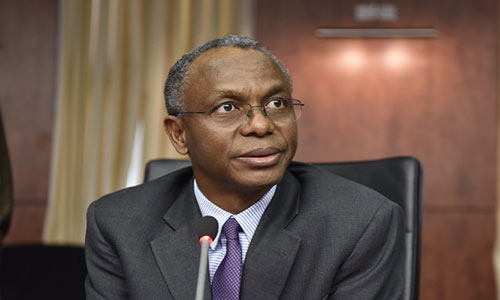
You Can’t Get Presidency By Threatening Secession, El-Rufai Tells Igbos

The Governor of Kaduna State, Nasir El-Rufai, has said that the Nigerian President of Igbo extraction will only happen if the people of the South-East stop threatening the country with secession.

El-Rufai said the regions that have produced Presidents that ruled Nigeria achieved the feats by negotiating with people and political parties, stressing that politics has to do with negotiations and convincing others on why they should vote for the candidates.

According to him, Igbo people will need to seek alliance with other regions if they want someone from their area to be the next President.

The governor said this during a webinar organised by the Africa Leadership Group and tagged: ‘Developing a Viable Nation 2’.

The event was hosted by Pastor Ituah Ighodalo of Trinity House.

El-Rufai, while responding to a question about why someone of Igbo extraction has not become Nigeria’s president yet, said, “I don’t think anyone has stopped the South-East from going for the Presidency. But you see, you cannot get the Presidency of Nigeria by threats or by shouting victimhood. This is a political process and you have to engage other parts of Nigeria to convince them to support you.

“That is what everyone does. That is what Jonathan did in 2011; that is what Buhari did in 2015 and 2019. That is what every President does. You don’t stay in your corner, abuse everyone in Nigeria and say give me Presidency. It is not going to happen.

“Presidency is not by allocation. It is the result of a political process. You join a political party, your party negotiates with other parts of the country and it happens. That is how it is done. And you cannot get it by sitting down or threatening secession. It won’t work.

“I think the South-East is going about it the wrong way because if you look at the APC (All Progressives Congress) for instance, we do not have many footprints in the South-East.” (thenigerialawyer)

Violence Against Persons [Prohibition] Act 2015 (VAPP Act)

Click to download: Violence Against Persons [Prohibition] Act 2015 (VAPP Act)

On 28 May 2015, the President of Nigeria signed into law (the Violence Against Persons [Prohibition] Act 2015 (VAPP Act)). It is a law that criminalised Sexual Gender Based Violence (SGBV), Harmful Practises (HP) and Violence Against Women and Girls (VAWG). Among the numerous innovation of the VAPP Act, is that it expanded the definition of rape to mean that any human sex (man/woman) can be a rape-offender or a rape-victim and that any opening in the human body can be raped, while anything can be a tool for rape.

The VAPP Act was enacted by the federal legislature but it is operational only in the Federal Capital Territory, Abuja. It is a federal law but cannot apply and operate to other states and parts of Nigeria, since the matters treated in the law, are matters within the powers of states  legislatures (Houses of Assembly). Since, the Federal Capital Territory, Abuja does not have a  state legislature, it is the federal legislature that severs as the legislature for the Federal Capital Territory, Abuja.

Click to download: Violence Against Persons [Prohibition] Act 2015 (VAPP Act)

Sabi Law Projects:

#SabiLaw

#DailyLawTips

#SabiBusinessLaw

#SabiElectionLaws

#SabiHumanRights

#SabiLawOnTheBeatFm

#SabiLawLectureSeries

#CriminalJusticeMonday

#SabiLawVideoChallenge

To receive free Daily Law Tips, join our free WhatsApp group via https://chat.whatsapp.com/L7h4f1exItZ38FeuhXG4WN or Telegram group, via the below link: https://t.me/LearnNigerianLaws

To keep up to date on all free legal awareness projects of Sabi Law Foundation, follow us via

Facebook Page:@LearnNigerianLaws,

Instagram:@LearnNigerianLaws,

Twitter: @LearnNigeriaLaw,  

YouTube: Learn Nigerian Laws

WhatsApp Groups via (https://chat.whatsapp.com/L7h4f1exItZ38FeuhXG4WN),

Telegram Group: (https://t.me/LearnNigerianLaws),

Facebook group: (https://www.facebook.com/groups/129824937650907/?ref=share)

or visit our website: (www.LearnNigerianLaws.com)

Please share this publication for free till it gets to those that need it most. Save a Nigerian today! NOTE: Sharing, modifying or publishing this publication without giving credit to the author or Sabi Law Foundation is a criminal breach of copyright and will be prosecuted. This publication is the writer’s view not a legal advice and does not create any form of relationship. You may reach the writer for more information.

This publication is powered by www.LearnNigerianLaws.com {A Free Law Awareness Program of Sabi Law Foundation, supported by the law firm of Bezaleel Chambers International (BCI).} Sabi Law Foundation is a Not-For-Profit and Non-Governmental Legal Awareness Organization based in Nigeria. For sponsorship and partnership, contact: [email protected], [email protected] or +234 903 913 1200.

Why Castration & Removal of Fallopian Tubes of Rapists Are Lawful.

Why Castration & Removal of Fallopian Tubes of Rapists Are Lawful. Daily Law Tips (Tip 787) by Onyekachi Umah, Esq., LL.M, ACIArb(UK)

 Introduction:  

In a country ravished by poverty and insecurity, with majority of its citizens leaving below $1 and with very unreliable security and judicial sectors, getting away with rape and sexual offences, is no-brainer. With no reliable records of convicts, amidst several prison breaks, it is asking too much, for any person to expect a national record of sexual offenders. With untrained security officers and unsafe stations, it is a mirage to expect to have security officers that are trained to manage victims of sexual abuse, in police stations and other law enforcement centers. With rising cases of stigmatization of victims of sexual abuse and a strange tolerance/support for sexual offenders, reporting of cases of sexual abuse and obtaining justice seems to be less profitable when compared with silence. 

Yes, silence and unlawful settlement of cases of sexual offences are seen in most cases, with law enforcement agencies condoning such. As expected, sexual offenders and sexual abuse are on the increase, after all, many states in Nigeria have failed to enact stiffer laws on sexual and domestic violence. With poor institutional structure and cohesion, deterring sexual offenders may be a saver, since most offenders may not want “Castration” (removal of male testicles) or “Bilateral salpingectomy” (removal of fallopian tubes). There is a wide public believe that there are no professional executioners in Nigeria for the enforcement of death sentences, this turns castration and bilateral salpingectomy to quick fixes. 

Castration and bilateral salpingectomy of sexual offenders are new in Nigeria but they seem to be timely and promising, as correctional centers are not as punitive and reformatory as losing ones’ sexual tools. By the way, the infamous executive pardons to convicted criminals, that often release sexual offenders back to the society, will most probably release pardoned convicts with no sexual tools.  Castration and bilateral salpingectomy as punishments were launched in a part of Nigeria on 11 September 2020. This work focuses on the legality of the punishments and creates legal awareness on the issue. 

Legality of Castration and Bilateral Salpingectomy: 

Nigeria is a federal state that makes laws on certain exclusive issues for all parts of Nigeria. Consequently, the Federal Government of Nigeria also allows the states in Nigeria to make laws on some issues that are not exclusive to the federal government. However, such issues are concurrent to both the Federal Government and the states. So far as the Federal Government has no adequate law on such concurrent issues, any state government can make its own laws on such issues. Also, there is a list for issues that the Local Governments in Nigeria can handle. Finally, issues that are not exclusive to the federal government and are not in the concurrent list or in the powers of Local Government, are said to be the powers of State Governments. Such issues are said to be on the Residual List (note that, there is really no Residual list, rather it is the collection of issues not covered in the Exclusive List, Concurrent List and the Local Government List. 

Issues that are exclusive to the federal government of Nigeria, includes; Arms, Ammunitions, Aviation, Passport, Visa, Weights and Measures, Railways, Labour Rights and Narcotics (Hard drugs), as well as offences relating to them. Issues on the concurrent list include; Libraries, Research, Education, Taxes, Electoral Laws and Electric Power and offences relating to them. The issues under the powers of the Local Governments, include; Establishment and Maintenance of Cemeteries, Burial Grounds, and Homes for the Destitute; Licensing of Bicycles, Trucks, and others; Establishment, Maintenance, and Regulation of Slaughterhouses, Market, Motor Parks and Provision and Maintenance of Health Services and offences relating to them. Then, the Residual list will include issues like; Child Rights, Violence Against Persons and Property, Chieftaincies and Kingdoms, social welfare, Tenancy, Customary Marriage and Islamic Marriage, as well as offences relating to them. 

The above explanation shows that issues of domestic violence, child abuse and sexual offences are on the residual list and as such under the powers of the State Governments across Nigeria. They are under the residual list because they are omitted in the in the Exclusive List, Concurrent List and the Local Government List. Hence, the Federal Government of Nigeria cannot make any law on such issues for the entire country. The federal legislature lacks the powers to enact a federal law on domestic violence and sexual offences. It is important to note that since the Federal Capital Territory, Abuja has no legislative arm, the federal legislature plays the role of a state legislature for the Federal Capitol Territory (FCT), by making laws that apply only to the FCT. For example, the Violence Against Persons (Prohibition) Act, 2015 was made by the federal legislature but for only the FCT. Afterwards, many states went on to enact similar anti-domestic violence laws.

Among the states in Nigeria, is the Kaduna State. Kaduna State has an executive arm, a legislative arm and a judicial arm. In exercise of powers under the residual list, the state legislature makes laws for the state, over issues of domestic violence, child abuse and sexual offences. Hence, the Kaduna State has a written Criminal Law like any other state in Nigeria, focusing on offences relating to issues that are under the residual list. Kaduna State repealed its Penal Code Law on 29 May 2017 and enacted the Kaduna State Penal Code Law 2017. Furthermore, on 11 September 2020, the Kaduna State amended its Kaduna State Penal Code Law 2017 through the Kaduna State Penal Code Law 2017 (Amendment) Law 2020.

The Kaduna State Penal Code Law 2017 (Amendment) Law 2020 simply legalised and included castration and bilateral salpingectomy as punishments for rape. The law defines “Castration” as “the removal of testicles of a male person” and “Bilateral Salpingectomy” as “the removal of fallopian tubes”. It also made the punishment for rape of a child that is below the age of 14 years to be surgical castration and death for male offender, while bilateral Salpingectomy and death is for female offenders. Also, where the victim is a child, the name of the offender is to be listed in the Sex Offenders Register to be published in the media by the State Attorney General.  Where the victim is above 14 years old, the punishment for a male offender is surgical castration and life imprisonment. However, the law is silent on the punishment for a female offender where the victim is above 14 years old.

Conclusion: 

Since 11 September 2020, in Kaduna State, rape has become punishable with surgical castration and bilateral salpingectomy of convicted offenders. This punishment is created by a state law (Kaduna State Penal Code Law 2017 [Amendment] Law 2020), rightly enacted by the State legislature and assented by the Governor of the state. The Kaduna State Penal Code Law 2017 (Amendment) Law 2020 does not conflict or violate any federal law or the Constitution of the Federal Republic of Nigeria. If the good people of Kaduna State have through their state legislature chosen to punish rape with surgical castration and bilateral salpingectomy, then so be it. The people have spoken and all persons must obey. 

However, it is important to note that castration and removal of fallopian tubes of any person are degrading, dehumanizing and cruel. As such, the acts seem to violate the provisions of section 34 of the Constitution of Nigeria. Section 34 of the Constitution of Nigeria, is on the fundamental human right that protects the dignity of human persons in Nigeria. The apex court (the Supreme Court of Nigeria) has in several judgements condemned all forms of degrading, dehumanizing and cruel treatments, even where there are statutory punishments, including; flogging, cutting of body parts, compulsory blood transfusion and similar issues.

Castration and removal of fallopian tubes are more horrifying, cruel and dehumanizing than flogging, cutting of body parts, compulsory blood transfusions. Hence, it is believed that where the Kaduna State Penal Code Law 2017 [Amendment] Law 2020 is challenged in a court of law, as to its inconsistency with the Constitution of Nigeria and its violation of human rights, the Kaduna State Penal Code Law 2017 [Amendment] Law 2020 may fail. To this end, the Kaduna State Government is advised to drop castration and removal of fallopian tubes as punishments and avoid giving defence lawyers unnecessary tools to frustrated criminal trials and convictions. 

It must be reiterated that the punishment of surgical castration and bilateral salpingectomy is only for convicted rapists and not for alleged rapists or persons caught in the act of rape. It is only a court of law that can declare a person to be guilty of rape (to be a rapist) and only the court can order that the punishment of surgical castration and bilateral salpingectomy be carried out. Like the law stated, surgical castration and bilateral salpingectomy must be surgically performed.  Hence, surgical castration and bilateral salpingectomy are not to be performed by quacks and non-medical experts. 

While surgical castration and bilateral salpingectomy of offenders may be unpopular in Nigeria and across the world, it is believed that it they came because of the rise in rape cases and the lack of institutions for reformation and reintegration. Kaduna State Government is encouraged to promote its law and deter prospective offenders, through effective legal awareness models. Also, there is need for the state to strike a balance, by also punishing female offenders with bilateral salpingectomy, where the victim is above 14 years old. Any sex of human being can be an offender or a victim of rape and equality is equity.  

My authorities, are:

  1. Sections 1, 2, 3, 4, 5 and 6 of the Constitution of Nigeria, 1999.
  2. Sections 1, 2, 3 and 4 of the Kaduna State Penal Code Law 2017 (Amendment) Law 2020.
  3. Section 258 of the Penal Code Law No. 5) of Kaduna State, 2017    
  4. The Judgment of the Supreme Court of Nigeria (Patients’ Constitutional right to object to medical treatment) in the case of MEDICAL AND DENTAL PRACTITIONERS DISCIPLINARY TRIBUNAL v. OKONKWO (2001) LPELR-1856(SC)
  5. Isawa Elaigwu, “The Federal Republic of Nigeria” (Forum Fed) <http://www.forumfed.org/libdocs/Global_Dialogue/Book_2/BK2-C08-ng-Elaigwu-en.htm> accessed 3 May 2021
  6. Onyekachi Umah, “Abandoning a Pregnant Woman or Girl is a Crime” (LearnNigerianLaws.com, 30 April 2021) <https://learnnigerianlaws.com/abandoning-a-pregnant-woman-or-girl-is-a-crime/> accessed 3 May 2021. 
  7. Onyekachi Umah, “Abandonment Of Wife/Husband, Children Or Dependants Is A Crime” (LearnNigerianLaws.com, 3 December 2019) <https://learnnigerianlaws.com/abandonment-of-wife-husband-children-or-dependants-is-a-crime-daily-law-tips-tip-470-by-onyekachi-umah-esq-llm-aciarb-uk/> accessed 20 April 2021
  8. Onyekachi Umah, “How Lagos State Is Legislatively Ahead Of Other States” (LearnNigerianLaws.com, 30 September 2020 <https://learnnigerianlaws.com/how-lagos-state-is-legislatively-ahead-of-other-states/> accessed 20 April 2021
  9. Onyekachi Umah, “The First Virtual Court Hearing Was In Borno State And Not In Lagos State” (LearnNigerianLaws.com, 1 June 2020) <https://learnnigerianlaws.com/the-first-virtual-court-hearing-was-in-borno-state-and-not-in-lagos-state-daily-law-tips-tip-579-by-onyekachi-umah-esq-llm-aciarbuk/> accessed 20 April 2021
  10. Onyekachi Umah, “Emotional, Verbal And Psychological Abuse Is Now Criminal Offences” (LearnNigerianLaws.com, 3 September 2019) <https://learnnigerianlaws.com/emotional-verbal-and-psychological-abuse-is-now-criminal-offence/> accessed 28 April 2021
  11. Onyekachi Umah, “Forcing Wife to Stop Work is Now A Crime” (LearnNigerianLaws.com, 21 April 2021) <https://learnnigerianlaws.com/forcing-wife-to-stop-work-is-now-a-crime/https://learnnigerianlaws.com/forcing-wife-to-stop-work-is-now-a-crime/> accessed 26 April 2021
  12. Onyekachi Umah, “It Is Now An Offence To Force Wife/Husband To Stop Working” (LearnNigerianLaws.com, 28 May 2019) <https://learnnigerianlaws.com/it-is-now-an-offence-to-force-wife-husband-to-stop-working-daily-law-tips-tip-340-by-onyekachi-umah-esq-llm-aciarb-uk/> accessed 20 April 2021
  13. Onyekachi Umah, “Seizing or Destroying the Property of a Spouse is a Crime” (LearnNigerianLaws.com, 2 March 2021) <https://learnnigerianlaws.com/seizing-or-destroying-the-property-of-a-spouse-is-a-crime/> accessed 20 April 2021
  14. Onyekachi Umah, “Hiding/Concealing Domestic Violence Is A Crime” (LearnNigerianLaws.com, 11 December 2020) <https://learnnigerianlaws.com/hiding-concealing-domestic-violence-is-a-crime/> accessed 20 April 2021
  15. Onyekachi Umah, “Domestic Violence Is A Crime Not A Family Dispute” (LearnNigerianLaws.com, 10 December 2020) <https://learnnigerianlaws.com/domestic-violence-is-a-crime-not-a-family-dispute/ > accessed 20 April 2021
  16. Onyekachi Umah, “Why Lagos State Needs A VAPP/SGBV Law” (LearnNigerianLaws.com, 26 January 2021) <https://learnnigerianlaws.com/why-lagos-state-needs-a-vapp-sgbv-law/> accessed 20 April 2021
  17. Onyekachi Umah, “Lagos State Has No VAPP/SGBV Law !” (LearnNigerianLaws.com, 8 December 2020) <https://learnnigerianlaws.com/lagos-state-has-no-vapp-sgbv-law/> accessed 20 April 2021
  18. Onyekachi Umah, “An Access To Criminal Laws In Nigeria” (LearnNigerianLaws.com, 4 December 2020) <https://learnnigerianlaws.com/an-access-to-criminal-laws-in-nigeria/ > accessed 20 April 2021
  19. Onyekachi Umah, “8 New Things About Rape Laws In Nigeria” (LearnNigerianLaws.com, 3 December 2020) <https://learnnigerianlaws.com/8-new-things-about-rape-laws-in-nigeria/ > accessed 20 April 2021
  20. Onyekachi Umah, “ChannelsTv Interviews Onyekachi Umah on Rape and the Laws.” (LearnNigerianLaws.com, 20 November 2020) <https://learnnigerianlaws.com/channelstv-interviews-onyekachi-umah-on-rape-and-the-laws/ > accessed 20 April 2021
  21. Onyekachi Umah, “Can A Woman Be Charged With Rape” (LearnNigerianLaws.com, 24 June 2020) <https://learnnigerianlaws.com/can-a-woman-be-charged-with-rape-daily-law-tips-tip-595-by-onyekachi-umah-esq-ll-m-aciarbuk/ > accessed 20 April 2021
  22. Onyekachi Umah, “Can A Husband Rape His Wife” (LearnNigerianLaws.com, 19 June 2020) <https://learnnigerianlaws.com/can-a-husband-rape-his-wife-daily-law-tips-tip-592-by-onyekachi-umah-esq-llm-aciarbuk/ > accessed 20 April 2021
  23. Onyekachi Umah, “When Is Seduction Or Indecent Dressing A Justification For Rape In Nigeria?” (LearnNigerianLaws.com, 18 June 2020) <https://learnnigerianlaws.com/when-is-seduction-or-indecent-dressing-a-justification-for-rape-in-nigeria-daily-law-tips-tip-591-by-onyekachi-umah-esq-llm-aciarbuk/ > accessed 20 April 2021
  24. Onyekachi Umah, “New Punishment For Rape In Nigeria” (LearnNigerianLaws.com, 23 June 2020) <https://learnnigerianlaws.com/new-punishment-for-rape-in-nigeria-daily-law-tips-tip-594-by-onyekachi-umah-esq-llm-aciarbuk/ > accessed 20 April 2021
  25. Onyekachi Umah, “Rape Cannot Be Settled Out Of Court (No Room For Pay-Off/Forgiveness/Withdrawal Of Complaints” (LearnNigerianLaws.com,26 June 2020) <https://learnnigerianlaws.com/rape-cannot-be-settled-out-of-court-no-room-for-pay-off-forgiveness-withdrawal-of-complaints-daily-law-tips-tip-596-by-onyekachi-umah-esq-llm-aciarbuk/ > accessed 20 April 2021
  26. Onyekachi Umah, “A Female Too, Can BE Guilty Of Rape” (LearnNigerianLaws.com, 13 December 2018) <https://learnnigerianlaws.com/daily-law-tips-by-onyekachi-umah-esq-tip-248-a-female-too-can-be-guilty-of-rape-in-nigeria/ > accessed 20 April 2021
  27. Onyekachi Umah, “Ages At Which Sexual Intercourse With Consent Will Amount To Rape” (LearnNigerianLaws.com, 20 February 2020) <https://learnnigerianlaws.com/ages-at-which-sexual-intercourse-with-consent-will-amount-to-rape-daily-law-tips-tip-509-by-onyekachi-umah-esq-llm-aciarbuk/ > accessed 20 April 2021
  28. Onyekachi Umah, “How To Prove Rape In Nigeria).” (LearnNigerianLaws.com, 2 July 2019) <https://learnnigerianlaws.com/how-to-prove-rape-in-nigeria-daily-law-tips-tip-363-by-onyekachi-umah-esq-llm-aciarb-uk/ > accessed 20 April 2021
  29. Onyekachi Umah, “Child Marriage/Abuse Is A Crime (Rape): An Exposé On Laws Prohibiting Child Marriage” (LearnNigerianLaws.com, 22 June 2020) <https://learnnigerianlaws.com/child-marriage-abuse-is-a-crime-rape-an-expose-on-laws-prohibiting-child-marriage-daily-law-tips-tip-593-by-onyekachi-umah-esq-llm-aciarbuk/ > accessed 20 April 2021
  30. Onyekachi Umah, “Forced Marriage Is An Offence In Nigeria.” (LearnNigerianLaws.com, 21 October 2020) <https://learnnigerianlaws.com/forced-marriage-is-an-offence-in-nigeria/ > accessed 20 April 2021 
  31. Onyekachi Umah, “Can a Married Woman Inherit Her Parents’ Property?”, (LearnNigerianLaws.com, 27 March 2020) <https://learnnigerianlaws.com/can-a-married-woman-inherit-her-parents-property-daily-law-tips-tip-535-by-onyekachi-umah-esq-llm-aciarbuk/ > accessed 20 April 2021
  32. Onyekachi Umah, “Female Genital Mutilation/Cutting/Elongation, Breasts Ironing And Forced Marriage Are Now Criminal Offences In Nigeria” (Daily Law Tips [443]) <https://learnnigerianlaws.com/female-genital-mutilation-cutting-elongation-breasts-ironing-and-forced-marriage-are-now-criminal-offences-in-nigeria-daily-law-tips-tip-443-by-onyekachi-umah-esq-llm-aciarb-uk/ > accessed 20 April 2021
  33. Onyekachi Umah, “Harmful Widowhood Practices (Traditions) Are Illegal In Nigeria” (Daily Law Tips [Tip 589]) <https://learnnigerianlaws.com/harmful-widowhood-practices-traditions-are-illegal-in-nigeria-daily-law-tips-tip-589-by-onyekachi-umah-esq-llm-aciarbuk/ > accessed 20 April 2021
  34. Onyekachi Umah, “Forceful Isolation/Separation Of Family Members/Friends Is Now An Offence In Nigeria” (Daily Law Tips [356]) <https://learnnigerianlaws.com/forceful-isolation-separation-of-family-members-friends-is-now-an-offence-in-nigeria-daily-law-tips-tip-356-by-onyekachi-umah-esq-llm-aciarb-uk/ > accessed 120 April 2021
  35. Onyekachi Umah, “Abolished Anti-Women Custom of Onitsha People of Anambra State, Nigeria” (LearnNigerianLaws, 10 March 2020) <https://learnnigerianlaws.com/abolished-anti-women-custom-of-onitsha-people-of-anambra-state-nigeria-daily-law-tips-tip-522-by-onyekachi-umah-esq-llm-aciarbuk/ > accessed 20 April 2021
  36. Onyekachi Umah, “Citizen By Marriage Is Discriminatory and Against Nigerian Women”, (LearnNigerianLaws.com, 14 September 2020) <https://learnnigerianlaws.com/citizen-by-marriage-is-discriminatory-and-against-nigerian-women/ > accessed 20 April 2021
  37. Onyekachi Umah, “Abolished Anti-Women Custom of Yoruba People of Nigeria”, (LearnNigerianLaws.com, 11 March 2020) <https://learnnigerianlaws.com/abolished-anti-women-custom-of-yoruba-people-of-nigeria-daily-law-tips-tip-523-by-onyekachi-umah-esq-llm-aciarbuk/ > accessed 20 April 2021
  38. Onyekachi Umah, “Can a Married Woman Inherit Her Parents Property?” (LearnNigerianLaws.com, 27 March 2020) <https://learnnigerianlaws.com/can-a-married-woman-inherit-her-parents-property-daily-law-tips-tip-535-by-onyekachi-umah-esq-llm-aciarbuk/ > accessed 20 April 2021
  39. Onyekachi Umah, “Approval For Marriage Of Female Officers/Staff Is Unconstitutional and Discriminatory”, (LearnNigerianLaws.com, 23 September 2020) <https://learnnigerianlaws.com/approval-for-marriage-of-female-officers-staff-is-unconstitutional-and-discriminatory/ > accessed 20 April 2021
  40. Onyekachi Umah, “It Is An Offence To Chase Out Wife/Husband From A Home Or Even Attempt To Do So” (LearnNigerianLaws.com, 17 May 2019) <https://learnnigerianlaws.com/it-is-an-offence-to-chase-out-wife-husband-from-a-home-or-even-attempt-to-do-so-daily-law-tips-tip-333-by-onyekachi-umah-esq-llm-aciarb-uk/> accessed 20 April 2021
  41. Onyekachi Umah, “Examining Brutalization of House Helps in Nigeria. (An Exposé on Anti-Cruel Labour Laws in Nigeria)” (LearnNigerianLaws.com, 3 August 2020) <https://learnnigerianlaws.com/examining-brutalization-of-house-helps-in-nigeria-an-expose-on-anti-cruel-labour-laws-in-nigeria-daily-law-tips-tip-623-by-onyekachi-umah-esq-ll-m-aciarbuk/> accessed 27 April 2021

Sabi Law Projects:

#SabiLaw

#DailyLawTips

#SabiBusinessLaw

#SabiElectionLaws

#SabiHumanRights

#SabiLawOnTheBeatFm

#SabiLawLectureSeries

#CriminalJusticeMonday

#SabiLawVideoChallenge

Speak with the writer, ask questions or make inquiries on this topic or any other via [email protected], [email protected] or +2348037665878 (whatsapp). To receive free Daily Law Tips, join our free WhatsApp group via https://chat.whatsapp.com/L7h4f1exItZ38FeuhXG4WN or Telegram group, via the below link: https://t.me/LearnNigerianLaws

To keep up to date on all free legal awareness projects of Sabi Law Foundation, follow us via

Facebook Page:@LearnNigerianLaws,

Instagram:@LearnNigerianLaws,

Twitter: @LearnNigeriaLaw,  

YouTube: Learn Nigerian Laws

WhatsApp Groups via (https://chat.whatsapp.com/L7h4f1exItZ38FeuhXG4WN),

Telegram Group: (https://t.me/LearnNigerianLaws),

Facebook group: (https://www.facebook.com/groups/129824937650907/?ref=share)

or visit our website: (www.LearnNigerianLaws.com)

Please share this publication for free till it gets to those that need it most. Save a Nigerian today! NOTE: Sharing, modifying or publishing this publication without giving credit to the author or Sabi Law Foundation is a criminal breach of copyright and will be prosecuted. This publication is the writer’s view not a legal advice and does not create any form of relationship. You may reach the writer for more information.

This publication is powered by www.LearnNigerianLaws.com {A Free Law Awareness Program of Sabi Law Foundation, supported by the law firm of Bezaleel Chambers International (BCI).} Sabi Law Foundation is a Not-For-Profit and Non-Governmental Legal Awareness Organization based in Nigeria. For sponsorship and partnership, contact: [email protected], [email protected] or +234 903 913 1200.
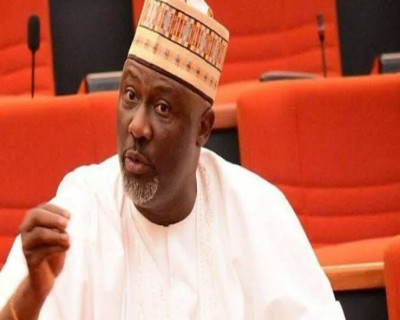
As work commences, NNPC says PH Ref to create 3,000 jobs

The Nigerian National Petroleum Corporation (NNPC) has kicked off construction work in the Port Harcourt Refinery rehabilitation project with a firm commitment not to fail Nigerians.

A statement by the Group General Manager, Group Public Affairs Division of the NNPC, Dr. Kennie Obateru, quoted the NNPC Chief Operating Officer, Refineries & Petrochemicals, Engr. Mustapha Yakubu, as saying that everything was being done to ensure that the project is delivered hitch-free and on schedule.

Speaking at the Technical Kick-off Meeting for the project which held at the Port Harcourt Refinery Complex, Alesa Eleme, Rivers State, Engr. Yakubu said everything about the project had been carefully worked out to ensure that the target of at least 90% refining capacity is achieved when operational.

“It must be hitch-free and that is why we are engaging the host communities appropriately. 200 million Nigerians are looking up to us and we can’t afford to fail. We’ve been on this journey since 2019,” he said.

The COO disclosed that the project would require 3,000 workers at the peak of activities, stressing that out of that number there would be only 70 expatriates while the balance would be sourced locally in line with the local content policy.      

He expressed gratitude to the Federal Government for approving $1.5 billion for the project.

Speaking earlier via a message delivered on his behalf by the Chief Financial Officer of the Corporation, Mr. Umar Ajiya, the Group Managing Director of NNPC, Mallam Mele Kyari, assured Nigerians that the Port Harcourt Refinery Company (PHRC) would roar back to life on or before April 5, 2023, when repairs would have been completed on the old refinery also known as Area 5.

He said the target was to fix the old refinery first so that local refining can resume as soon as possible, adding that NNPC management would do everything to support the contractor, Maire Technimont SPA, to ensure prompt delivery of the project.  

“We are happy we have the contractor onboard. With strong collaboration of all parties involved, we will achieve the desired results. We have both government and private sector financing. We have the finance ministry, NEITI, labour unions and other stakeholders on board this project. They want to see transparency so they can report same to Nigerians and this is one of the most transparent processes ever”, he stated

In his presentation, the Managing Director of PHRC, Engr. Ahmed Dikko, said that all the process plants have been made hydrocarbon-free to enable the contractor carry out the rehabilitation work safely.  

On his part, the representative of Maire Technimont SPA, Mr.  Masu Alberto, said that the rehabilitation journey started in 2017 with integrity test of the refinery. “In 2019, we did work on it and then now. We’re deploying a good number of engineers”, he said.

He listed some of the key activities that will be carried out in the project to include refurbishing of the technical building, replacement of the fire-fighting and deluge sprinkler systems, refurbishing of 24 offsite tanks, replacement of electrical equipment in substation, installation of primary earthing integration and new lighting system.

He said the project would also involve the replacement of pumps, turbines, one expander, boilers, three compressor fans and blowers, tanks, vessel and drums among other items equipment.

Credit: africachinapresscentre

TIPS