Home Blog Page 734

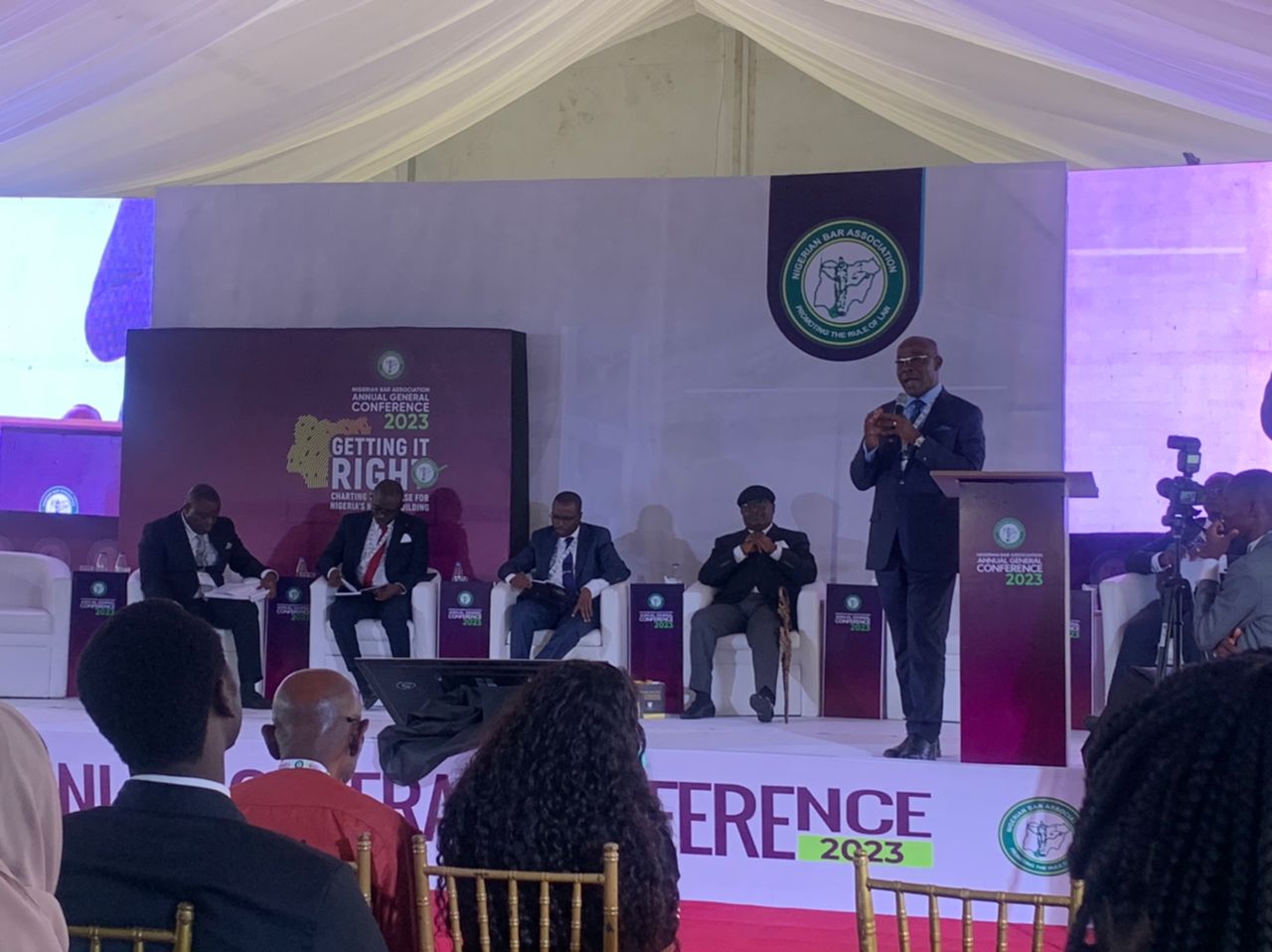
NBA AGC 2023: Exclusion of many from rule of law is a massive threat to justice and democracy – Nigerian leaders warned

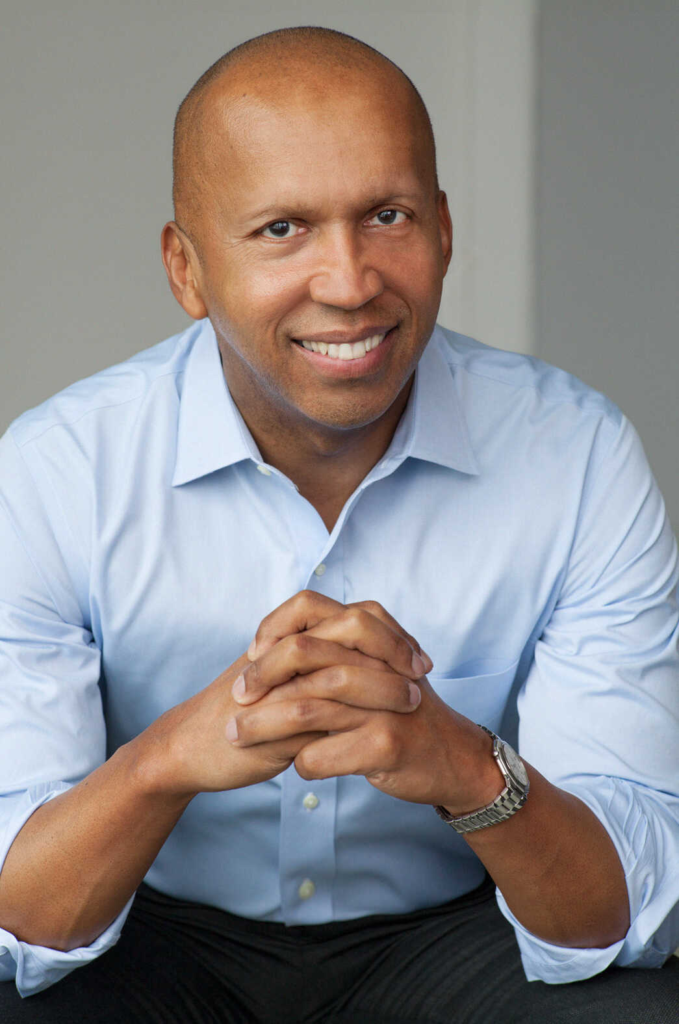
American lawyer, social justice activist, and law teacher at New York University School of Law, Mr. Bryan Stevenson has cautioned that “exclusion of many from the rule of law is a massive threat to justice and democracy.”

Bryan Stevenson

Stevenson who was Lead Speaker during the second plenary session of the ongoing Annual General Conference of the Nigerian Bar Association (NBA) stressed that lawyers’ words carry tremendous weight, and they should act with confidence, changing narratives through their personal sacrifices.

Speaking at the event tagged Access To Justice: Reality or unfulfilled expectation?, the social justice crusader encouraged lawyers to be instruments of change for the poor and marginalized in society, emphasizing the importance of recognizing human and people’s rights, particularly those of less privileged citizens.

Access to justice, Mr. Stevenson argued, holds immense significance as it:

  • Changes discriminatory narratives.
  • Alters the narrative of a civil society.
  • Offers hope to the hopeless in a civil society.

Mr. Stevenson concluded with a powerful message, reminding legal professionals that hopelessness is the enemy of justice, as it erodes justice itself. Thus, he called upon lawyers to be beacons of hope.

Other notable speakers during the session include —Mr. Chukwuka Ikwuazom, SAN; Prof. Joy Ngozi Ezeilo, OON, SAN; Mrs. Titilola Vivour-Adeniyi and Mr. Duma Gideon Boko.

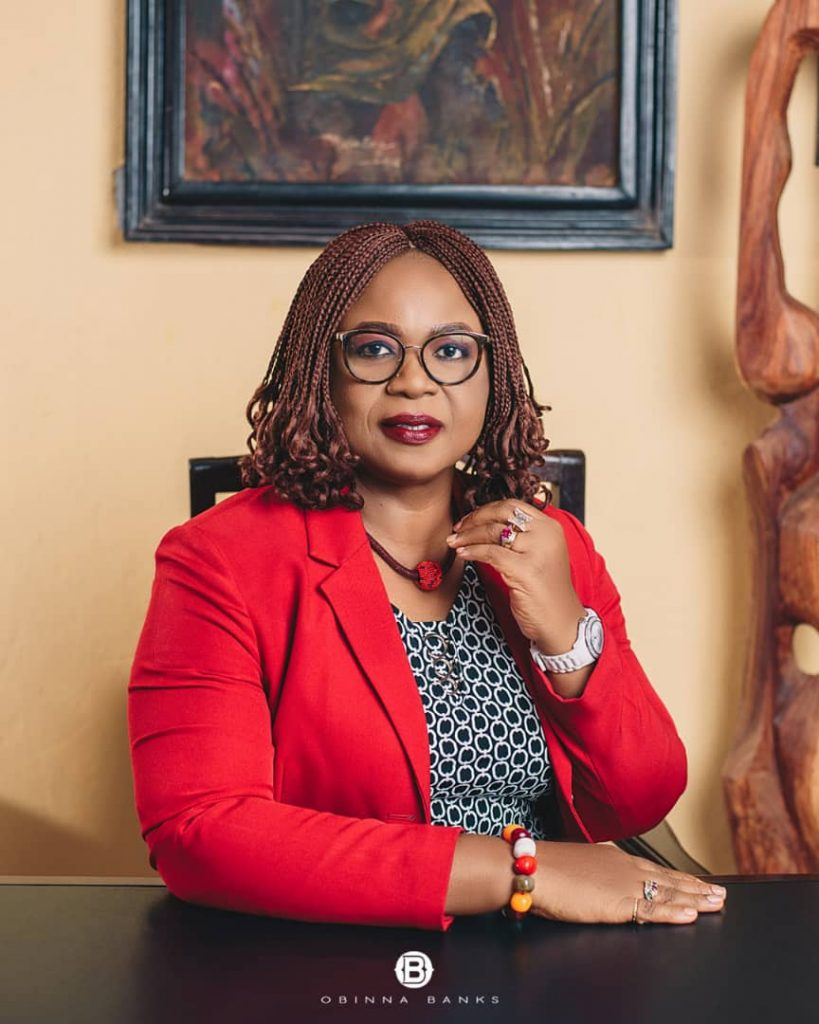
Joy Ngozi Ezeilo, SAN

Prof. Joy Ngozi Ezeilo, OON, SAN ignited the discussion by raising a fundamental question as to whether equal access to justice can be achieved, given the unmet justice needs of Nigerians. She underscored the essential components of justice, emphasizing equal protection before the law, legal aid, effective remedies, and the necessary structures to make justice accessible. Key takeaways from her address included:

  • Access to justice is a right, a duty that governments owe to their citizens.
  • It encompasses access to information and legal assistance.
  • It encompasses the right to court and legal representation.
  • The NBA should play a pivotal role in ensuring accountability and human rights enforcement.
  • Establishing funds for legal aid and partnerships with organizations to support the vulnerable.
  • Sensitizing the public to respond to the violation of their rights.
Chukwuka Ikwuazom, SAN

Mr. Chukwuka Ikwuazom, SAN delved deeper into the concept of access to justice, emphasizing that it transcends mere access to the courts; it involves obtaining quality and affordable legal representation and substantive justice. He emphasized that a strong judiciary is important in guaranteeing access to justice and identified key challenges hindering access to justice in Nigeria, including:

  • Inordinate delays in adjudication due to adjournments and antiquated recording methods.
  • The filing of frivolous cases.
  • A shortage of judges.
  • Issues surrounding the appointment of judges.
  • The quality of lawyers and judges.
  • The disposition of legal practitioners towards litigation.
  • Judicial inefficiencies, such as a judge unnecessarily deciding not to sit.
  • Dependence on executive goodwill within the judiciary.
  • Inadequate remuneration of judges.
  • The specter of corruption within the judicial system.

Mr. Ikwuazom urged the Nigerian Bar Association (NBA) to continue its fight for a more efficient and accountable judiciary.

Nigerian lawyer and head, Lagos state domestic and sexual violence response team.

Mrs. Titilola Vivour-Adeniyi began by outlining the factors that hinder access to justice, such as fear of the unknown, lack of access to information, the absence of judicial precedent, and economic factors amongst others. In addressing gender-based violence, she offered solutions including:

  • Active involvement in pro bono cases.
  • Establishment of law firm branches in rural areas.
  • Incentives for pro bono participation.
  • Promotion of public interest litigation.
  • Adequate rewards for lawyers engaged in pro bono services.
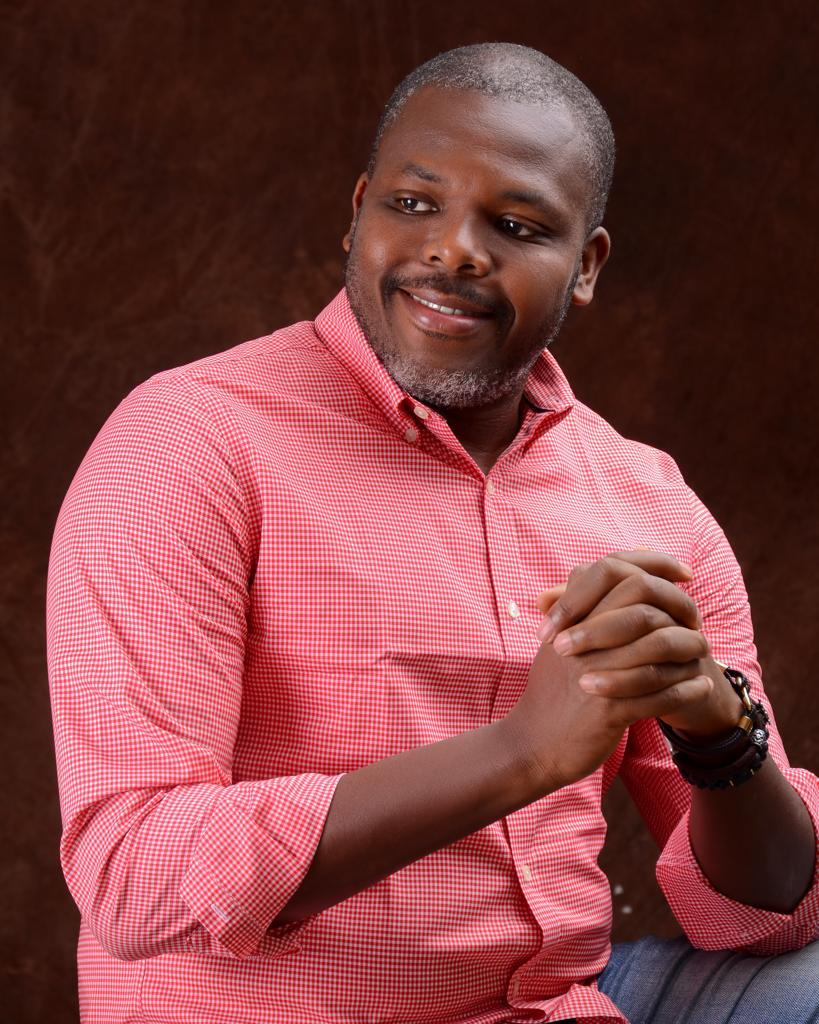
Botswana politician. lawyer and jurist, Mr. Duma Gideon Boko

Mr. Duma Gideon Boko passionately emphasized that all lawyers should champion restorative justice, emphasizing that access to justice is often a matter of life and death for many. He urged legal practitioners to make access to justice their foremost priority, signifying justice as the beacon guiding their actions.

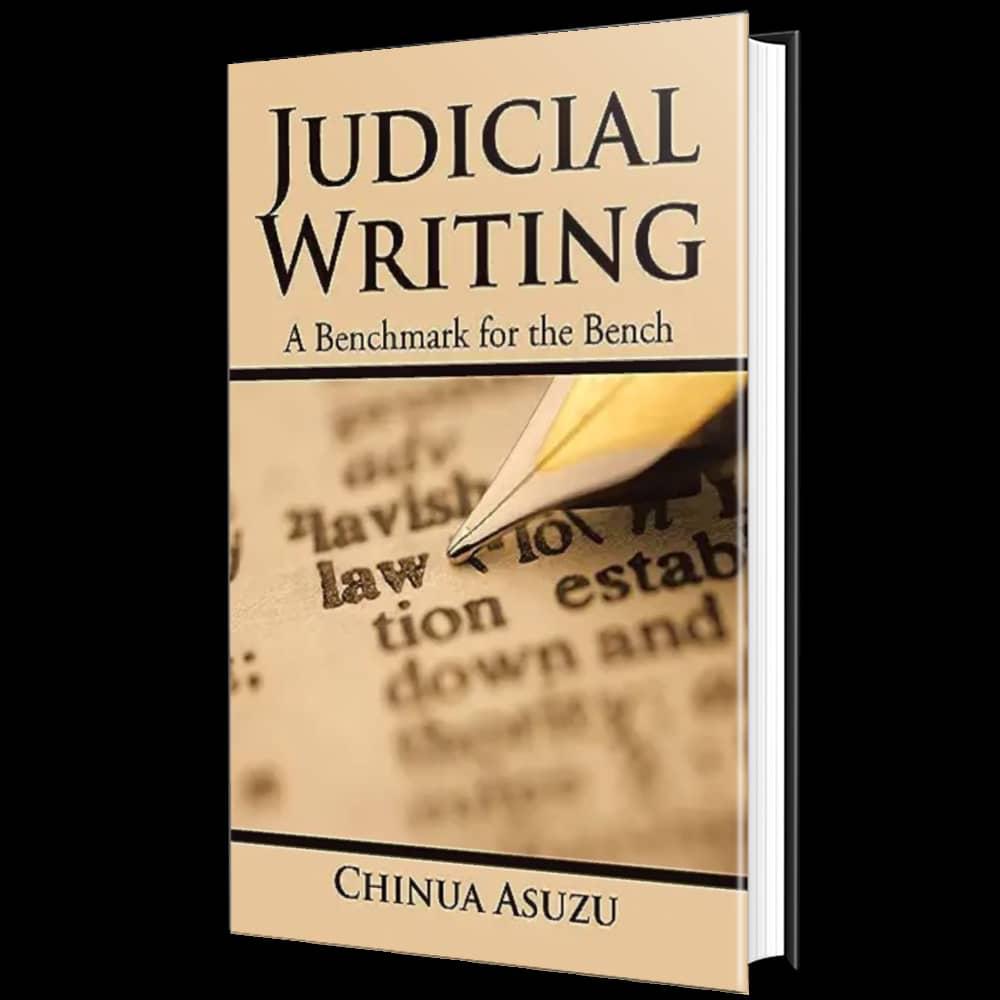
Judicial Writing: A Benchmark for the Bench

By Chinua Asuzu

Judicial writing is “public writing of the highest order. Be credible, impartial, dignified, and temperate. Be accurate and honest in your research, facts, and analysis.” Judge Gerald Lebovits.

 “I care not for the supposed dicta of judges, however eminent, if they be contrary to all principle.”Somerset v Steward (1772) 98 ER 499 (Mansfield CJ).

Judges should review their drafts to minimize, if not eliminate, all dicta neither pertinent to the outcome nor true to principle.

A judicial decision must not only be correct, but must also be fair, reasonable, and readily understandable.

Judicial Writing: A Benchmark for the Bench will help judges, arbitrators, and other decision-writers master the art and science of judicial writing.

A most welcome guide, this book sets a high but attainable standard of excellence for writing judicial decisions. It will no doubt become the reference point for judging judges and their judgments.

To get a copy, please pay N35,000 to Chinua Asuzu, 0002655807, GTBank. Then share your delivery address. The price includes delivery anywhere in Nigeria.

NBA AGC 2023: Stakeholders raise alarm over AGCCPC N700m expenditure on conference bags

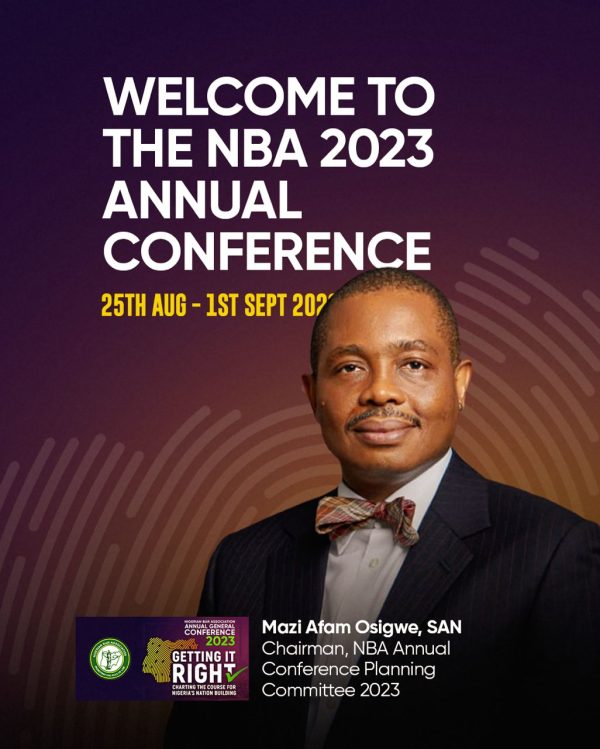
The AGCCPC is a committee led by Afam Osigwe (SAN) and is tasked with shepherding the Annual General Conference (AGC) which began on August 25 and is expected to last till September 1.

By Jeffrey Agbo

Stakeholders have raised eyebrows over what they described as financial missteps by the Annual General Conference Planning Committee (AGCCPC) of the Nigerian Bar Association (NBA).

The AGCCPC is a committee led by Afam Osigwe (SAN) and is tasked with shepherding the Annual General Conference (AGC) which began on August 25 and is expected to last till September 1.

Reliable sources within the AGCCPC voiced deep misgivings to TheNiche on Tuesday over the lack of fiscal prudence and forward-thinking in the committee’s financial actions.

The sources knocked the committee for spending N700 million in procuring conference bags, a customary feature of the AGC.

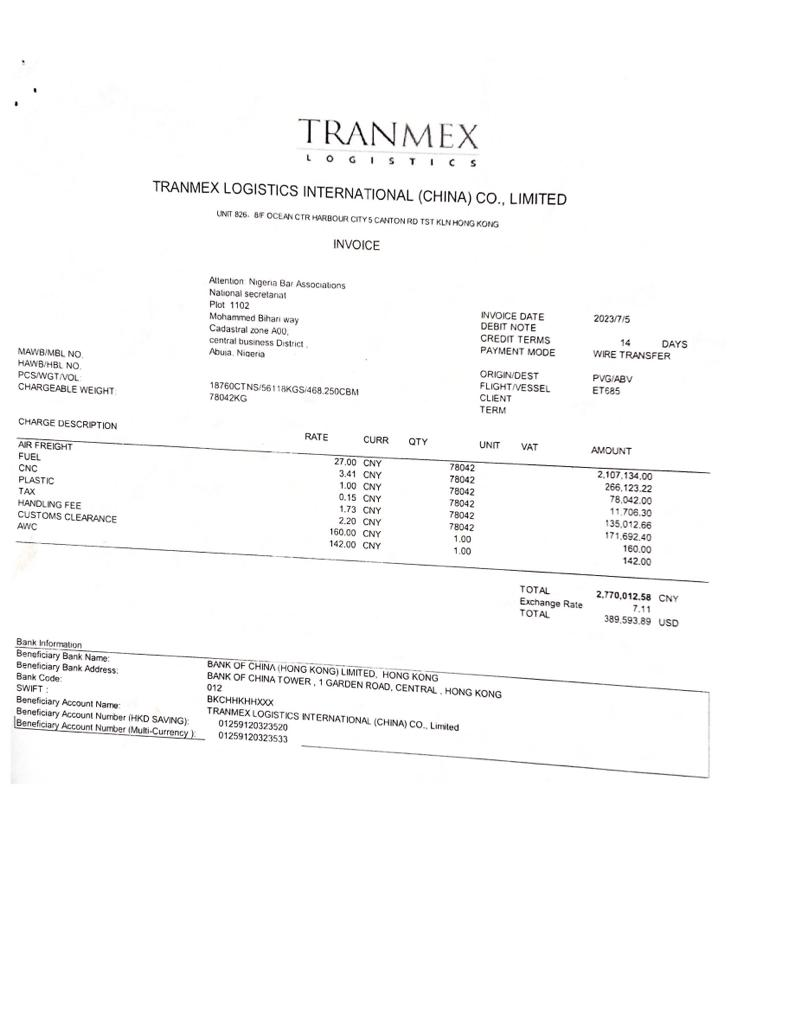
The committee is reported to have entered into an agreement to procure over 18,000 conference bags at a cost of about N334,800,000 (nearly $372,000).

The amount earmarked for procuring bags for the conference is said to be far in excess of the sum budgeted and approved by the NBA National Executive Council.

TheNiche got hold of a letter to the NBA President dated May 16, 2023, and signed by Head of Conference and Events Unit, Kemi Odeniyi, requesting payment for conference bags.

The letter said the AGCCPC contracted El-Sansara International Trading Company Limited for the job and that “it has a track record of delivering high-quality bags on time.” The unit price of the bag, the letter said, is $19.80, bringing the total for 18,760 bags to $371,448.

Sources cricticised the committee for omitting shipping expenses from the initial calculations.

“As reality hit home on the consequences of this negligent omission, the AGCCPC pivoted to an air freight solution that cost the NBA a whooping N390 million – an expense that would have been better managed with proper planning via sea shipment. This confluence of financial missteps has swollen the bag-related expense to over N700 million! This significantly surpasses the amount garnered from participant registration fees and insignificant amount raised from commercial partnerships.

“The implications of this fiscal debacle have ignited a firestorm of criticism, not only directed at the AGCCPC’s apparent mishandling of funds but also at the potential aftershocks for the NBA’s financial landscape,” one of the sources said.

Critics have been swift to denounce what they perceive as a lack of circumspection and an unfortunate detachment from the prevailing economic reality. Many have deemed the lavish expenditure on bags not only extravagant but also tone-deaf. The allocation of such a substantial sum to conference bags, an item perceived by many as superfluous in these trying times, has sparked intense discussions amongst many observers.

Not a few lawyers are questioning why the NBA not only spent such a humongous amount but worsened the situation by importing them from China. One source wondered what happened to quality bags that are made in Aba, AbiA State.

As the narrative unfolds, critics say the onus is on the NBA and the AGCCPC to restore confidence, preserve its financial integrity, and uphold the noble ideals that underpin the legal fraternity.

PS: As a sequel to this article published by The Niche, Law & Society Magazine put a number of calls across to Mazi Afam Osigwe via WhatsApp and his regular mobile line but there was no response. A message was also sent to his WhatsApp explaining that the call was with regards to the N700 million naira AGC bags scandal. Again there was no response.

A salute to Afam Okeke @50

By Lillian Okenwa

You can’t miss him in any crowd for he stands head and shoulders above others.

Cooly extroverted, Afamefuna Okwudili Okeke, Esq. ChMC was born 50 years ago into the illustrious Okeke’s family in Adazi-Ani, Anambra State.

A consummate Bar man, Afam who is currently the Chairman of NBA Abuja (Unity Bar) attended Dennis Memorial Grammar School, Onitsha Anambra State and Ambrose Alli University Ekpoma, Edo State.

After his call to the Nigerian Bar in 2003, this gentle giant worked in the law firms of J-K Gadzama, SAN, and Femi Falana, SAN respectively before establishing his own practice in 2009. He is currently the Managing Partner of Pinnacle Law Firm, Abuja.

Afam who has attended several local and international conferences has also served his beloved profession —the NBA, in various capacities.

Between 2008 and 2010, he was the pioneer Chairman of Young Lawyers Forum, NBA Abuja Branch, and became the Publicity Secretary of NBA Abuja Branch from 2008 to 2010.

From 2012 to 2014 Afam Okeke served as the branch’s Secretary. He is also a member of the National Executive Council (NEC) of the NBA. In 2022 he was elected as Chair NBA Abuja Branch.

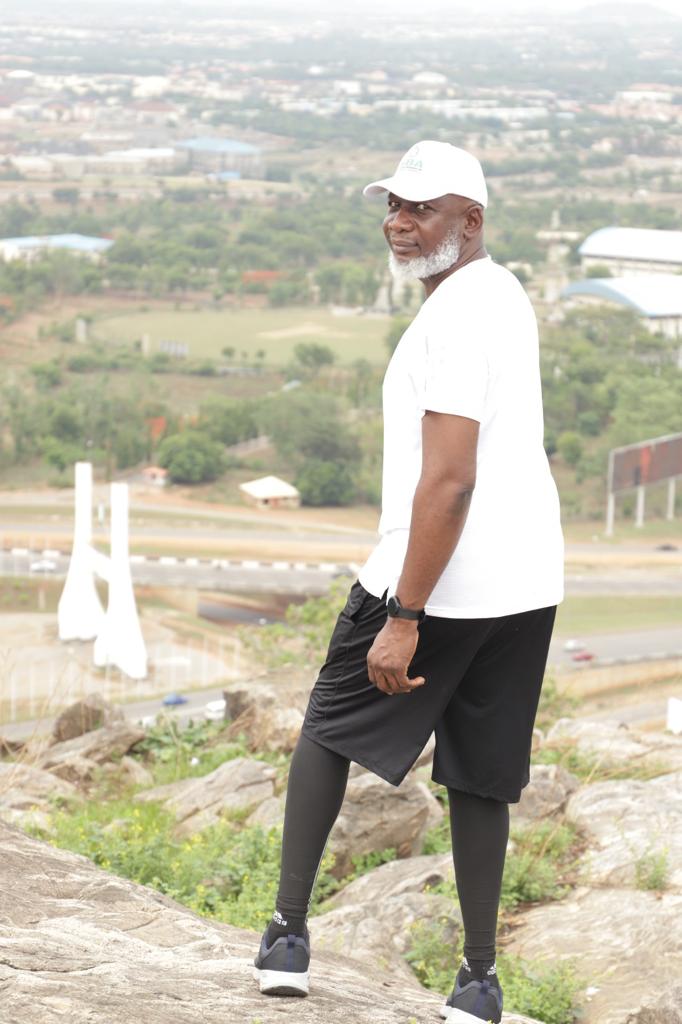
A sports and keep-fit enthusiast, Okeke as Chair Sports Committee of the Unity Bar created opportunities for lawyers to let down their hair, generally keep fit, and maintain a healthy lifestyle.

Afam is also a member of several professional bodies including:

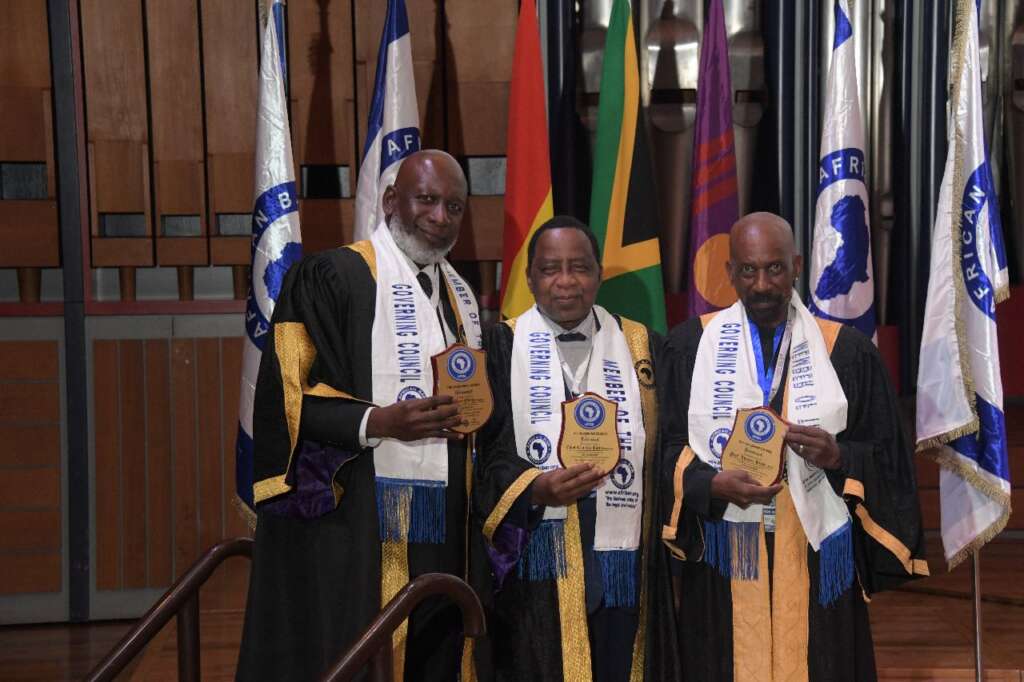
  • Life Member, Governing Council of the African Bar Association (AFBA)
  • Member, Commonwealth Lawyers Association (CLA)
  • Member, American Bar Association (ABA)
  • Member, International Bar Association (IBA)
  • Member, Chartered Institute of Mediators and Conciliators (ICMC)
  • Notary Public for Nigeria
  • Member, Eastern Bar Forum (EBF)
  • Member, South East – South South Professionals Forum

Mr. Okeke supports many charitable and humanitarian causes. He has received many awards and recognitions from several organizations: NBA Abuja Branch, FIDA Abuja Branch, Nigerian Law School Class of 2003 Award and 1000 Peace Ambassadors of Nigeria, and many more.

Afam O. Okeke is married and blessed with children.

From all of us at Law & Society Magazine, Happy Birthday!!!

NBA AGC 2023: Short-sighted regulatory regime behind blackouts in Nigeria —Elumelu

By Jeffrey Agbo

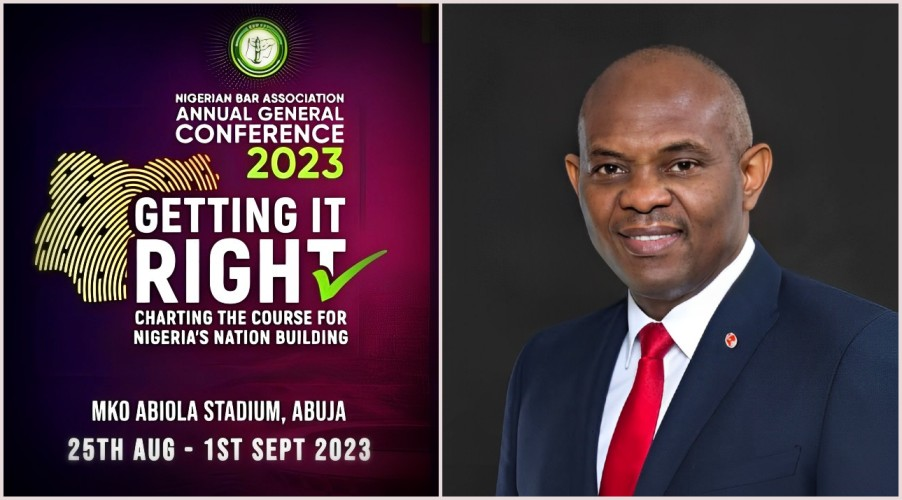
Chairman of UBA Group, Heirs Holdings and Transcorp, Tony Elumelu, has called on the administration of President Bola Tinubu to give hope to the people by addressing electricity deficits among others.

Mr Elumelu spoke on Sunday in his keynote address at the annual conference of the Nigerian Bar Association (NBA) held at Velodrome, MKO Abiola Stadium, Abuja.

The businessman implored the government to address insecurity, gas shortage, empower entrepreneurs, and respect the rule of law for a better nation.

He said, “For context, 240 megawatts of electricity can power about one million homes in Nigeria.

“Yet GE has threatened to pull out of the project, because our nation – with some of the largest gas reserves globally, could not provide 65mm scuffs of gas needed for the comprehensive testing of the installed fast power plant.

“We have idle gas fields and there is so much private capital to make the needed investments for gas production. Yet, we cannot produce gas to power our economy and 21st Century industrialisation. Thanks to a short-sighted regulatory regime and self-serving policies that keep our people permanently in the dark. This has to change.

“And let us invest in our social infrastructure, in our civil society, our courts of law and our administrators of justice. No country – and no entrepreneur, can truly thrive without the rule of law, without peace, without certainty and fairness – for all – for our young, our old, our women and our men, our future generations.”

Elumelu thanked Tinubu, who was present to declare the NBA conference open, for the bold decisions made so far to change Nigeria’s fortunes, urging him to invest not only in roads, rails, bridges, ports, and education but also in the nation’s entrepreneurial spirit.

“Nigeria is a nation of entrepreneurs – you know me as an investor and champion of entrepreneurs – I know the social and economic returns entrepreneurship creates.

“Let us create a joined-up government task force to champion at the highest level, our young and our entrepreneurs.

“When entrepreneurs succeed, we succeed as a nation. If they don’t, we all fail.

“In my engagement with fellow private sector leaders, my message is simple: We must see ourselves as the engine of innovation, the source of investment, and the creators of jobs. This is exactly what we have achieved at the Tony Elumelu Foundation.

“The nurturing of entrepreneurship is not merely an economic endeavour, but a social responsibility. By empowering our youth, supporting start-ups and SMEs, the private sector contributes to equitable wealth distribution, job creation, and social advancement. It paves the way for economic empowerment that uplifts communities and contributes to a more inclusive society. We all owe this to our people, even for our own enlightened self-interest,” he said.

Addressing further the NBA and political leaders gathered, Elumelu called for women empowerment, noting that when a woman succeeds, families and communities are lifted out of poverty.

The Niche

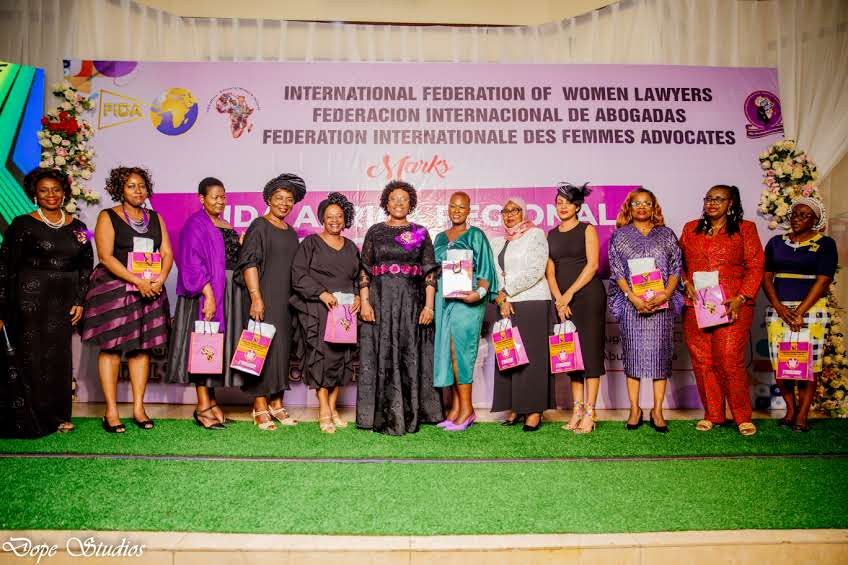
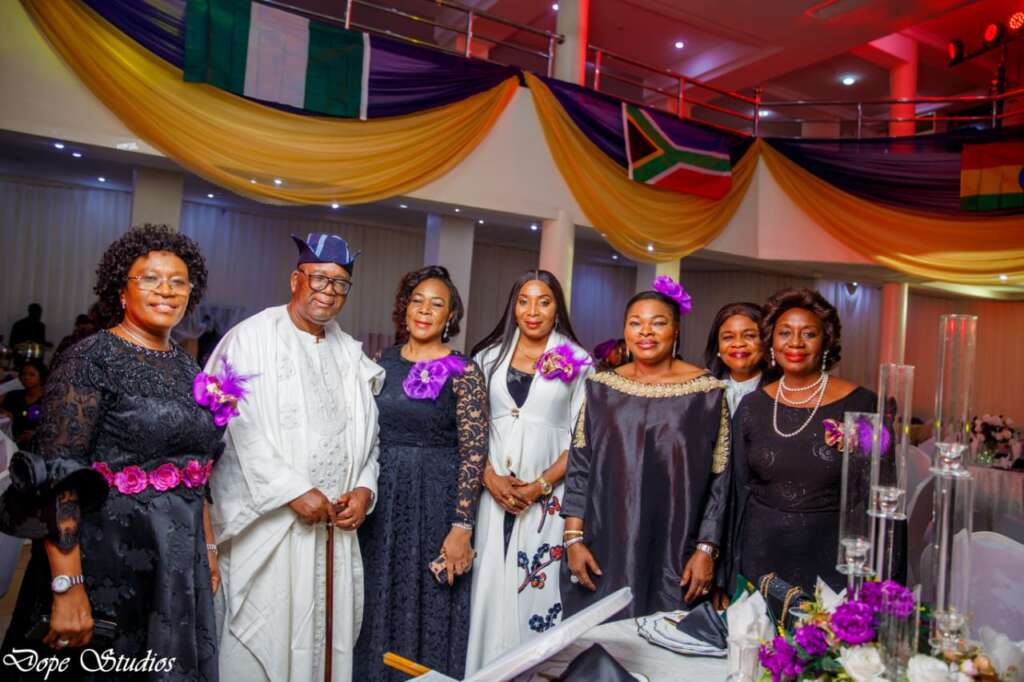
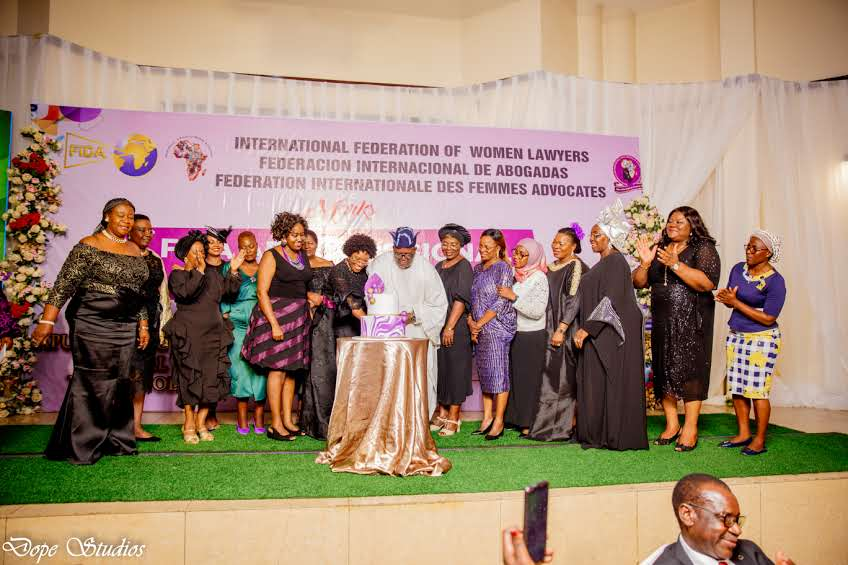
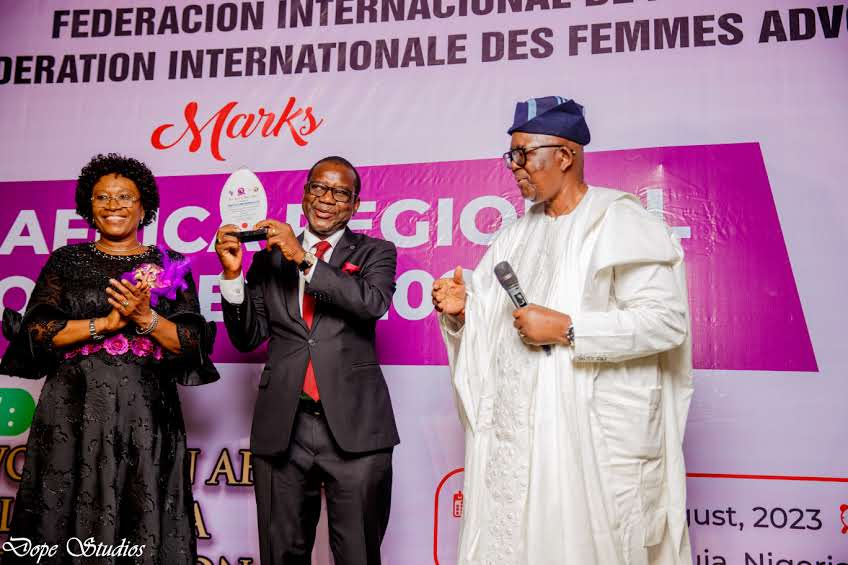
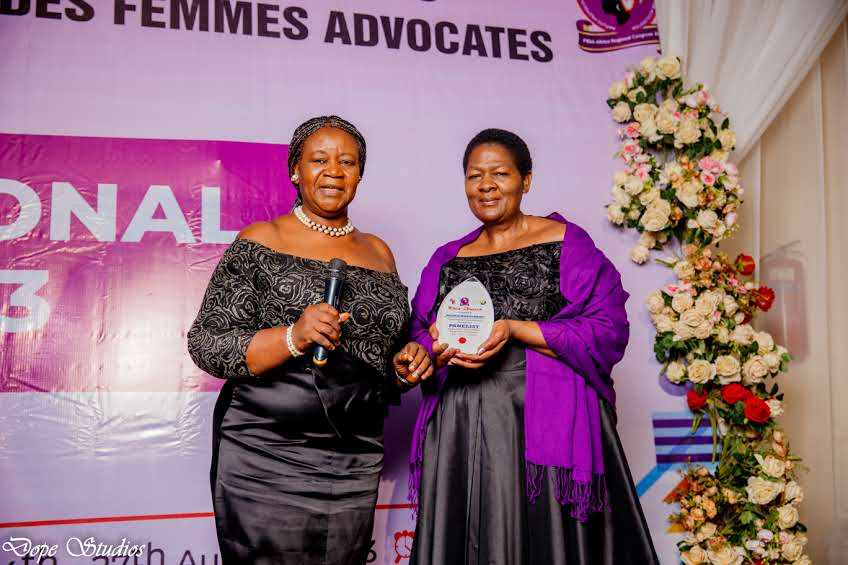
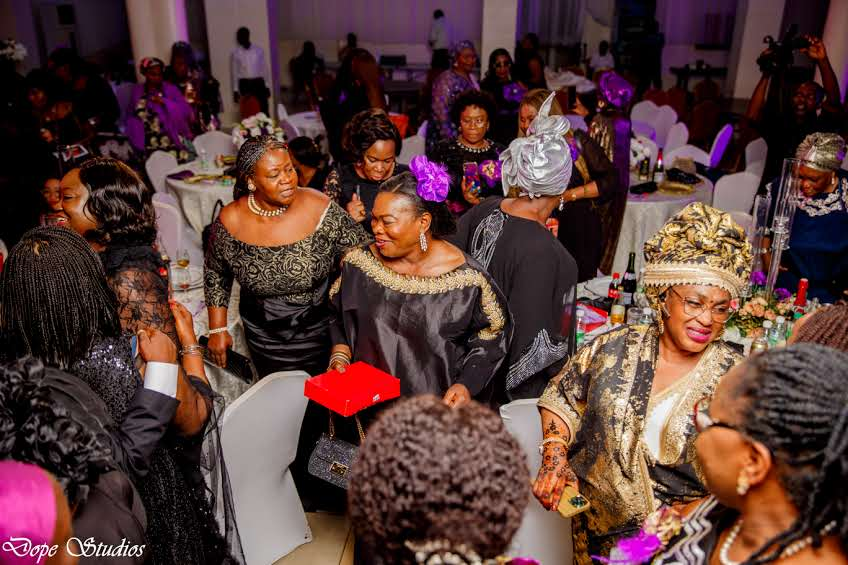
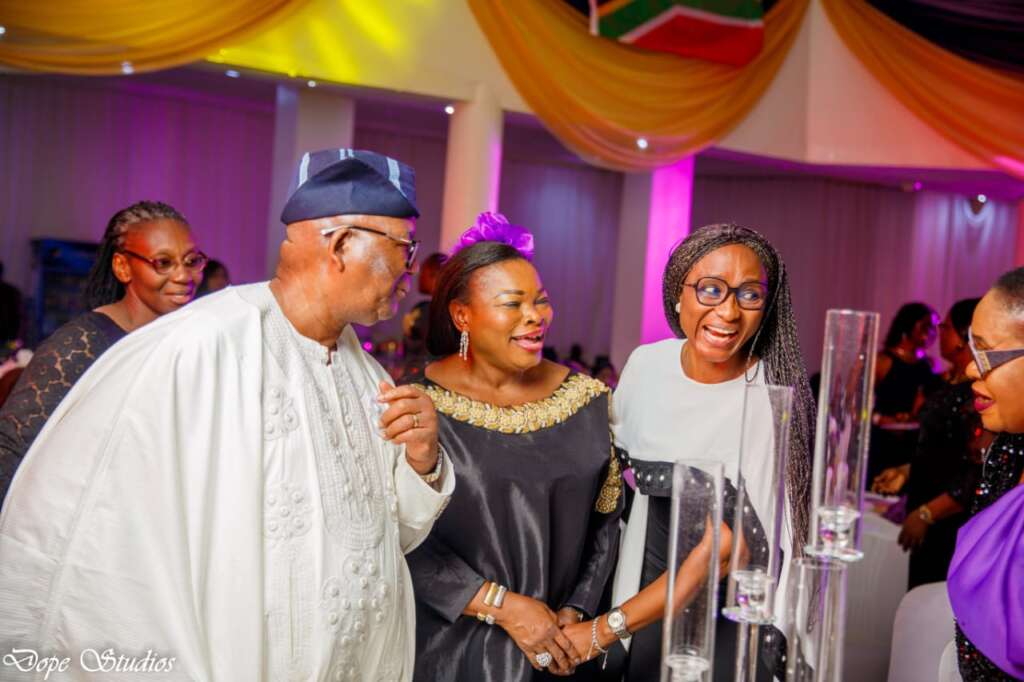
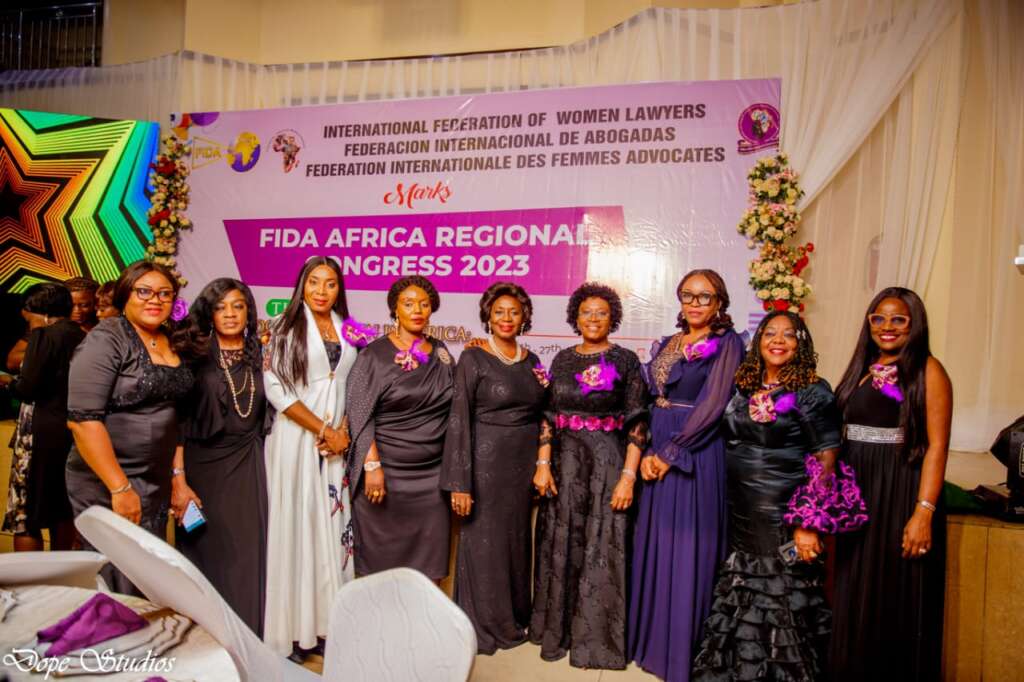
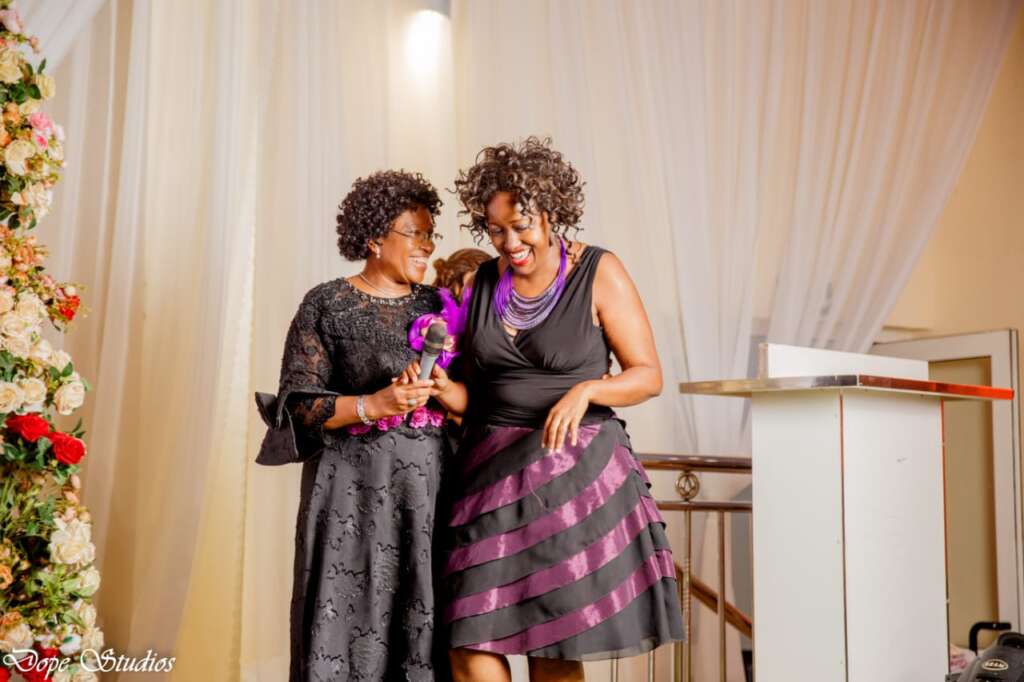
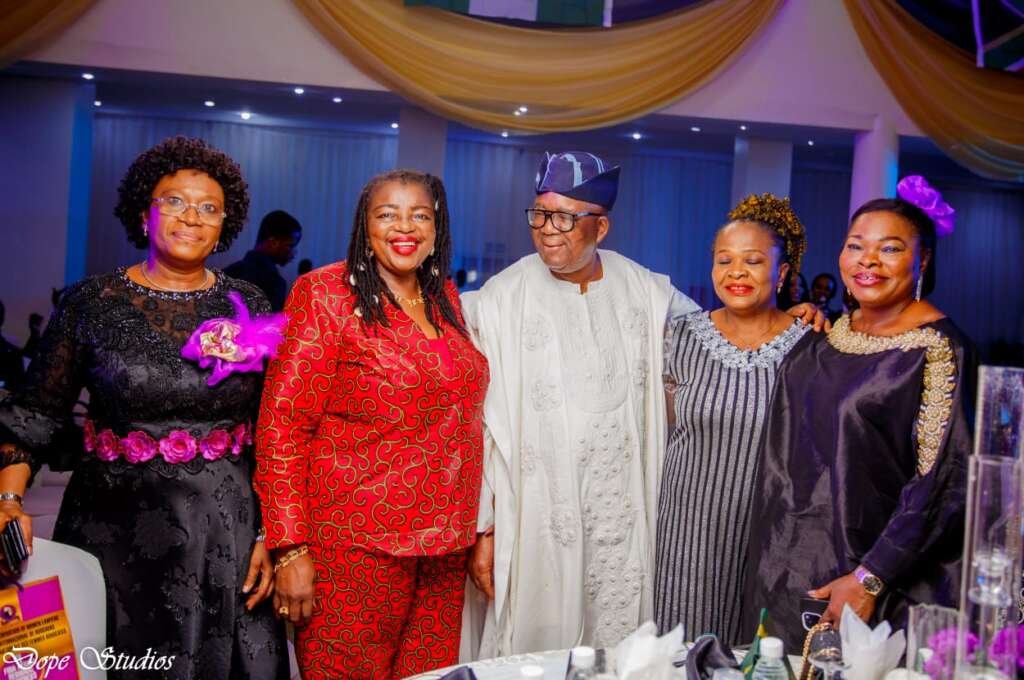
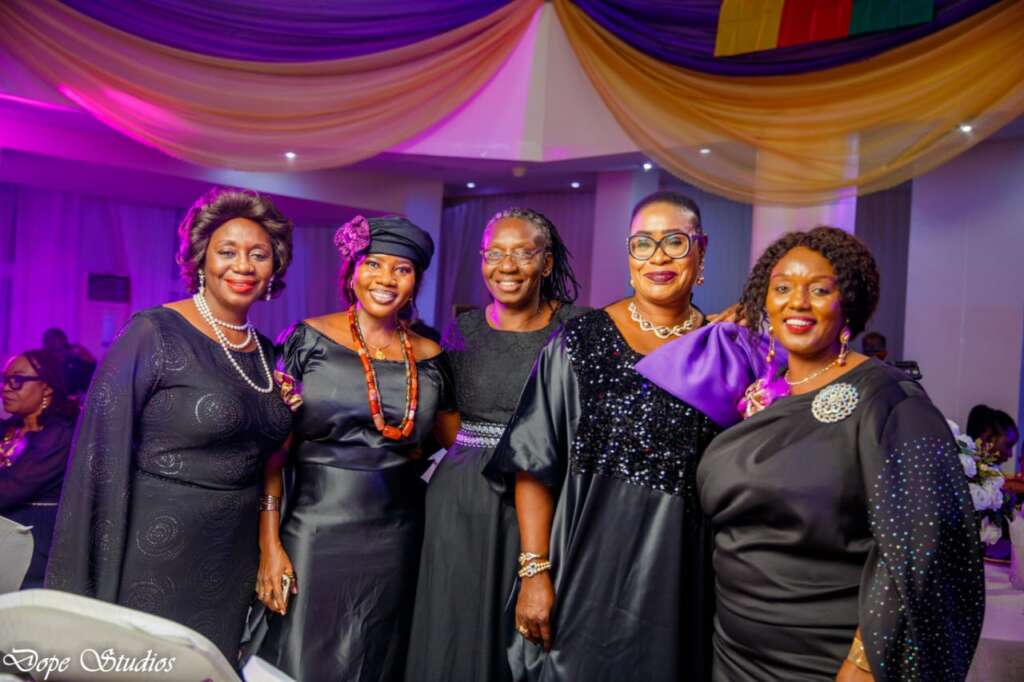
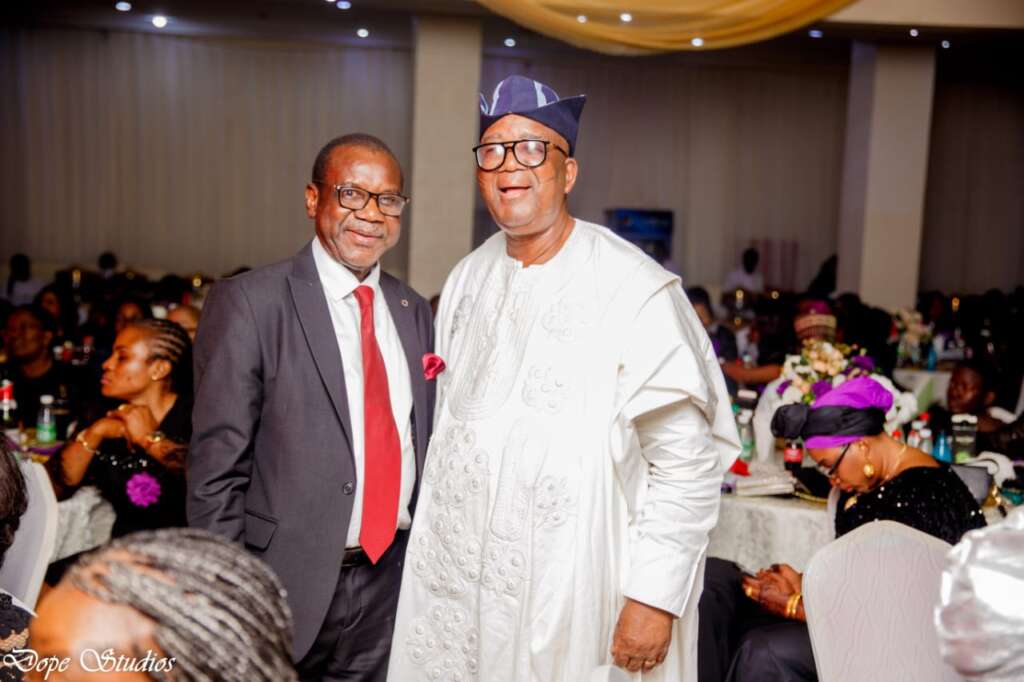
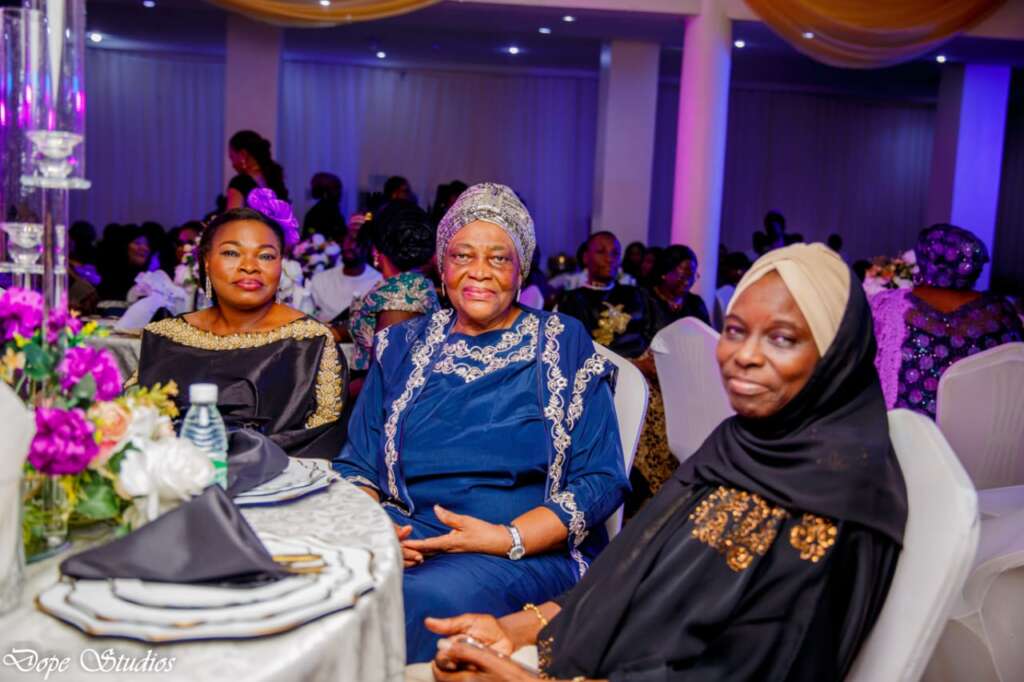
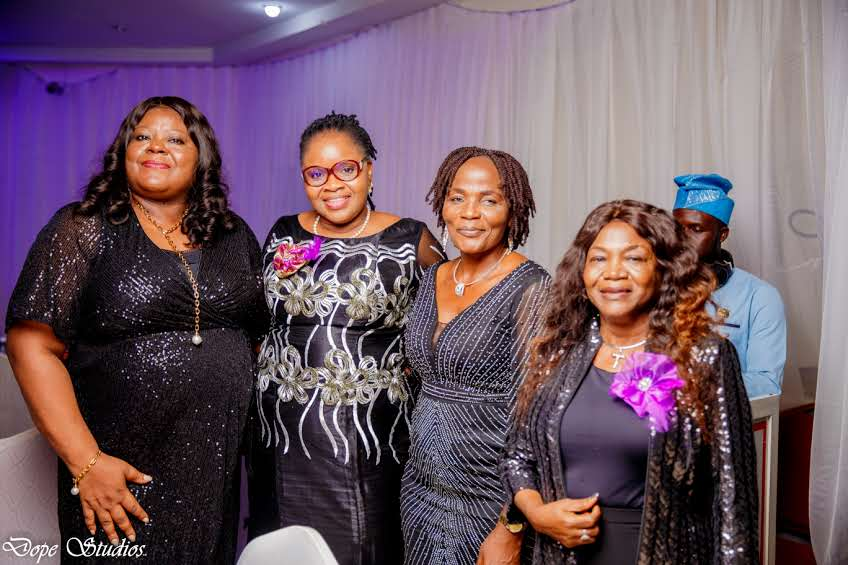
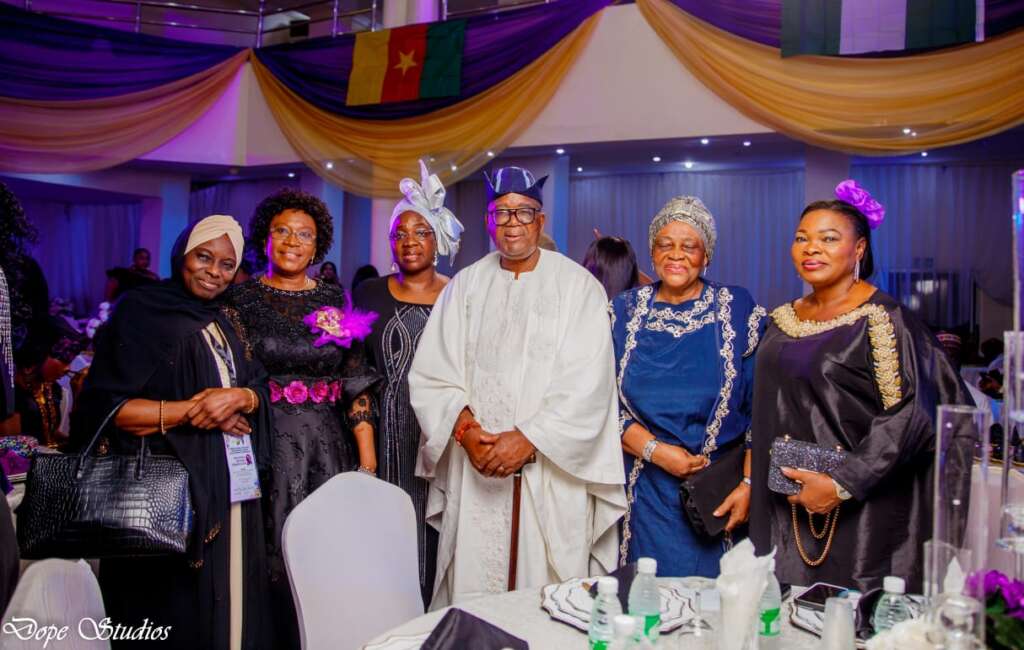
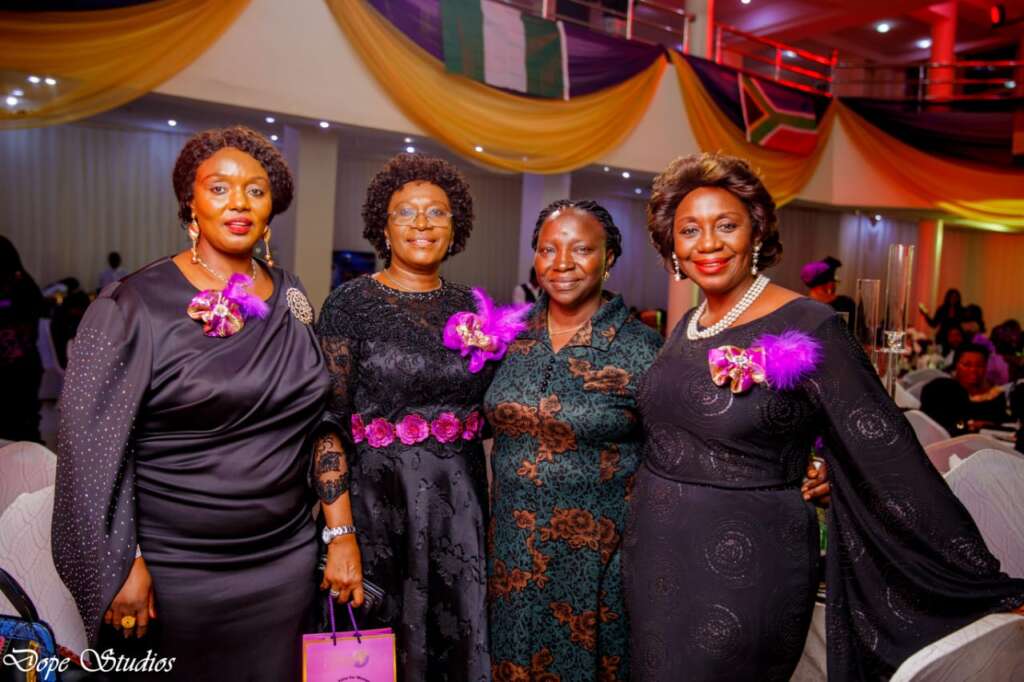
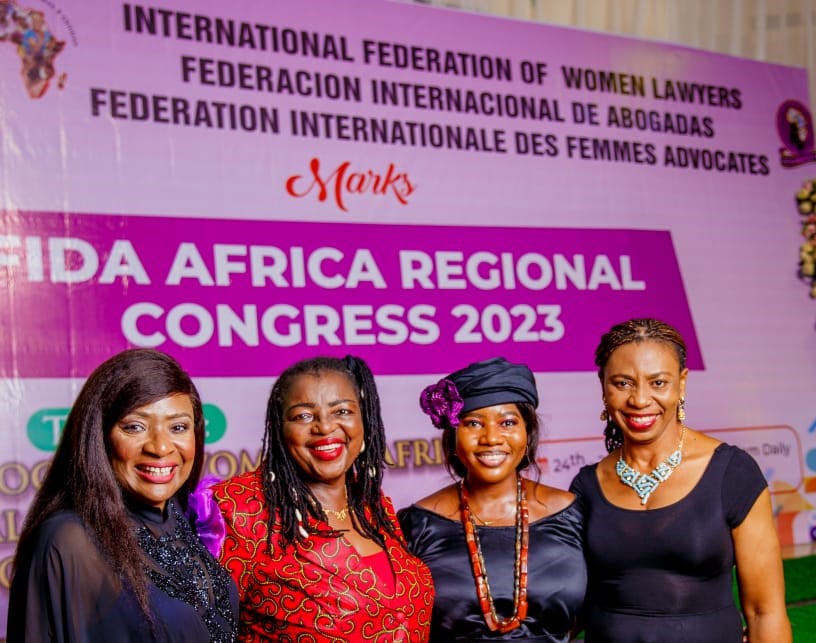
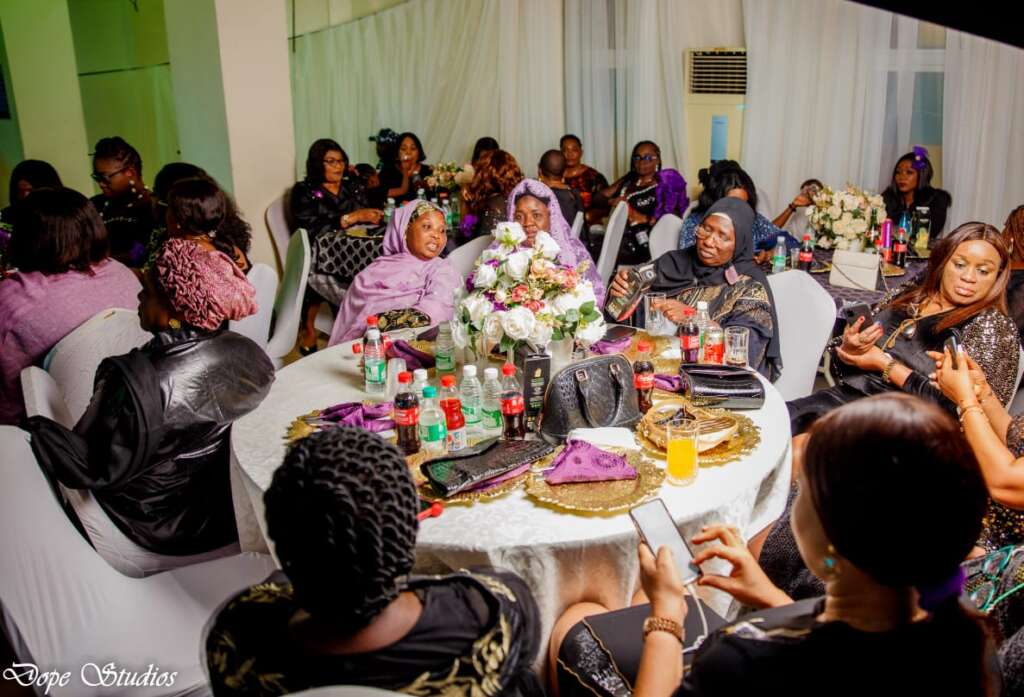
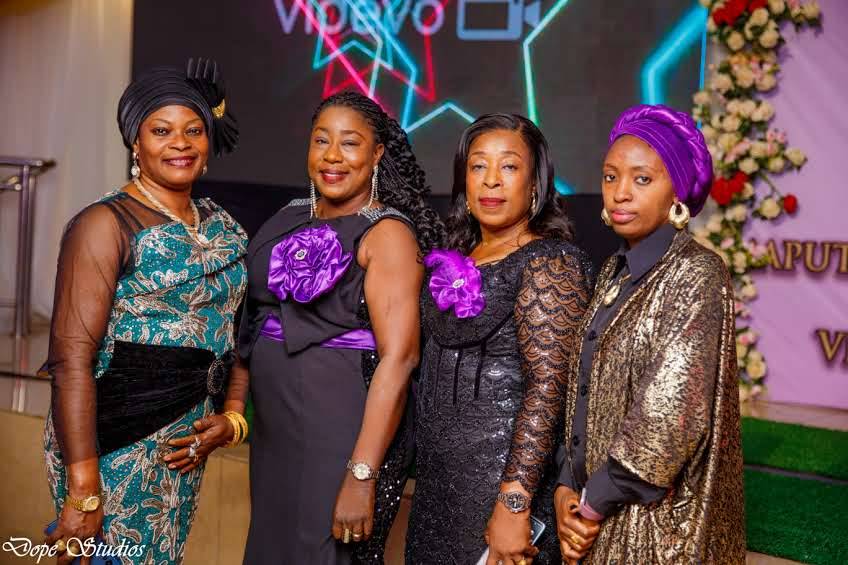
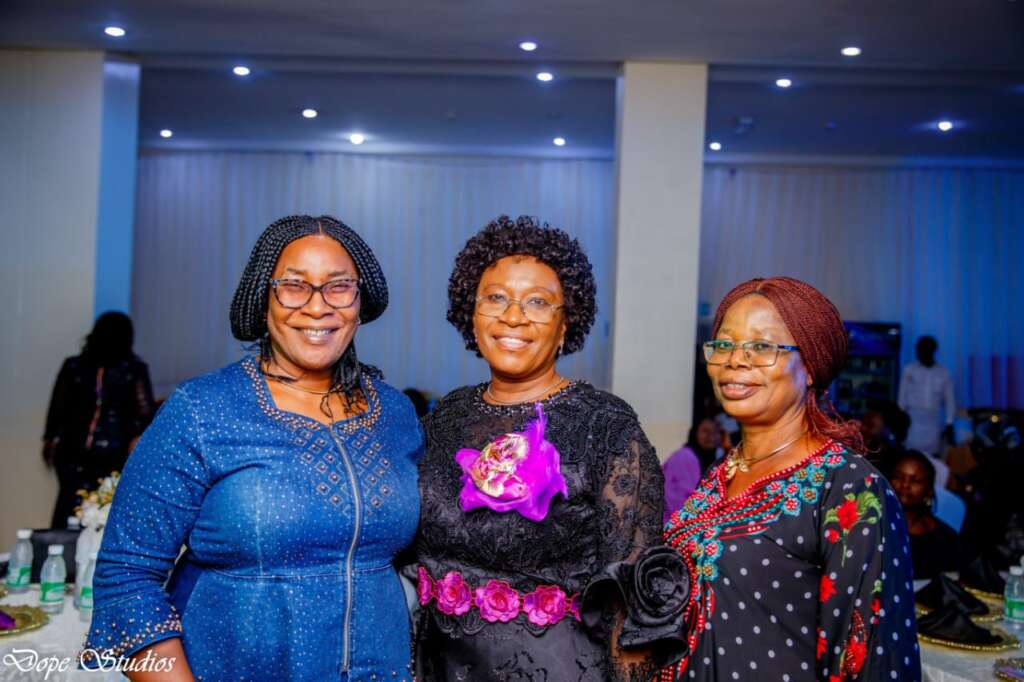
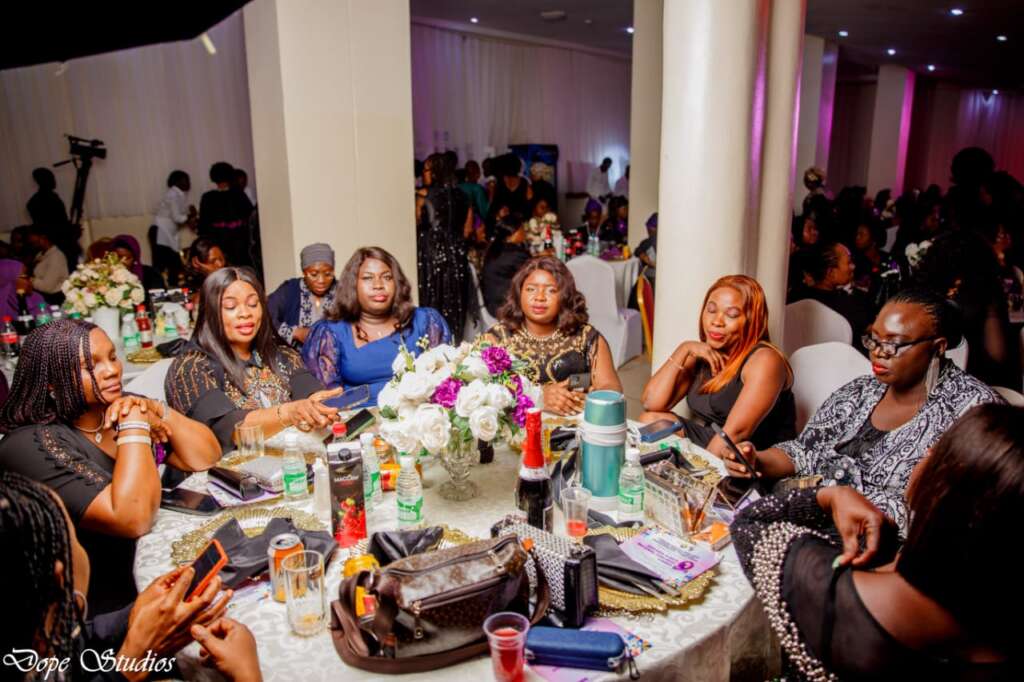
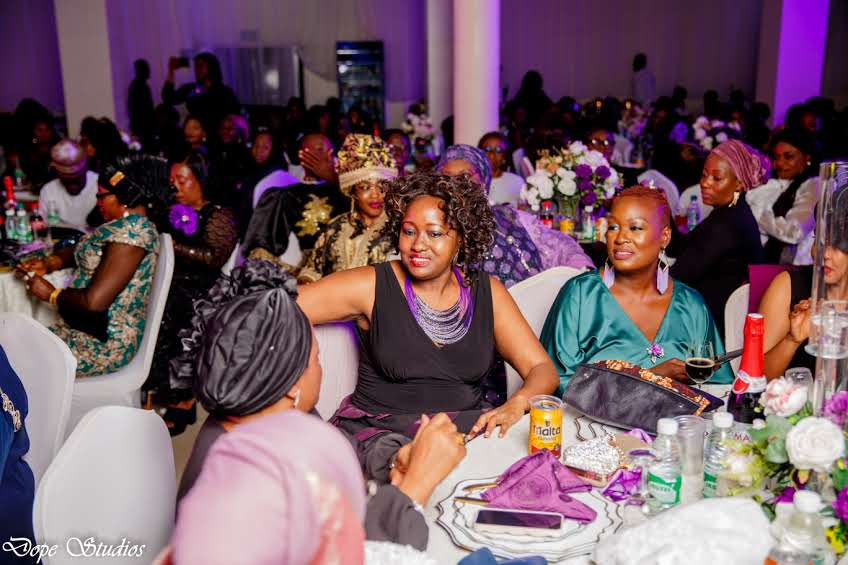
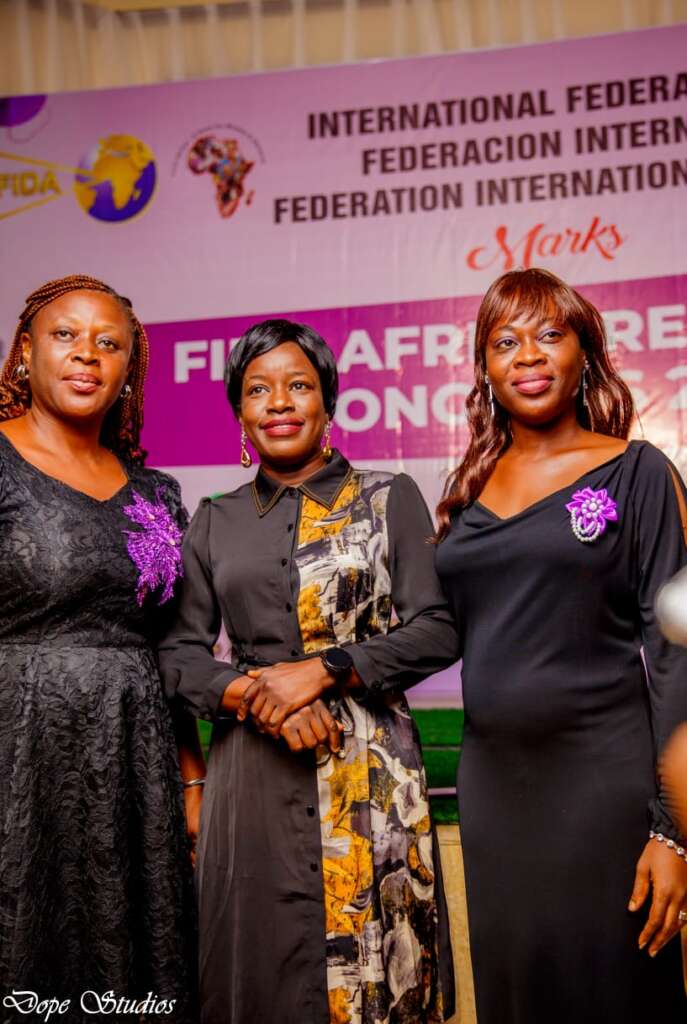
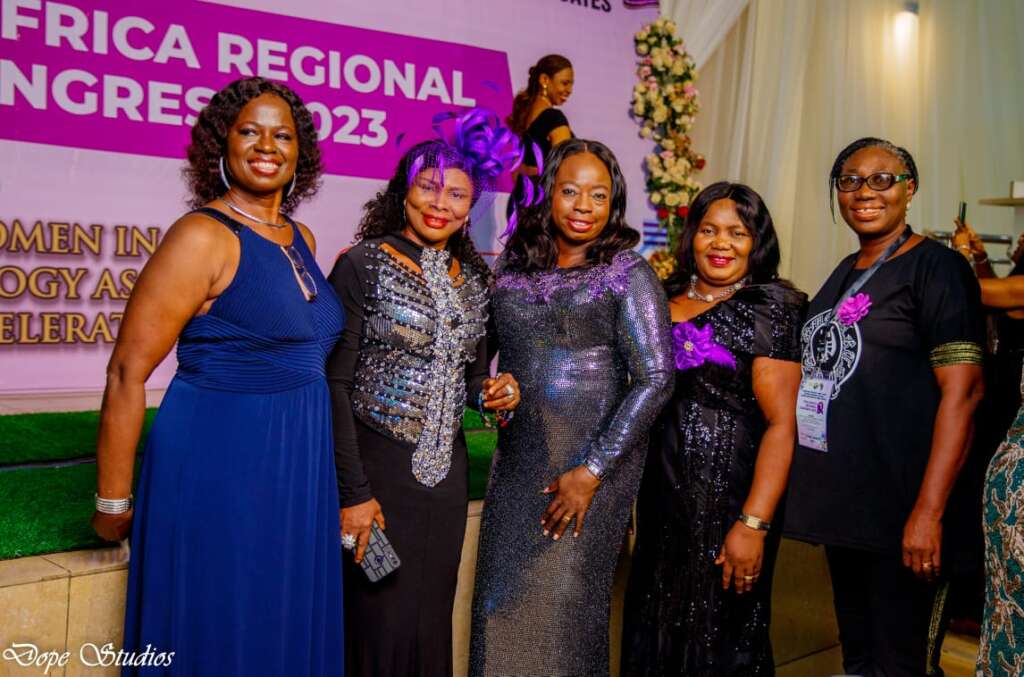
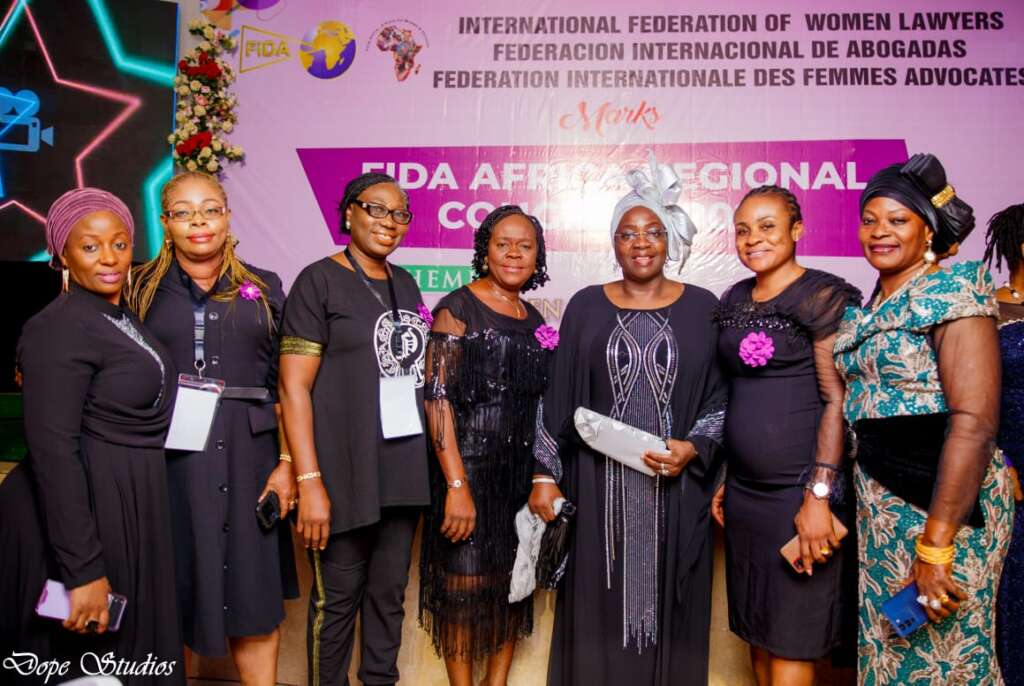
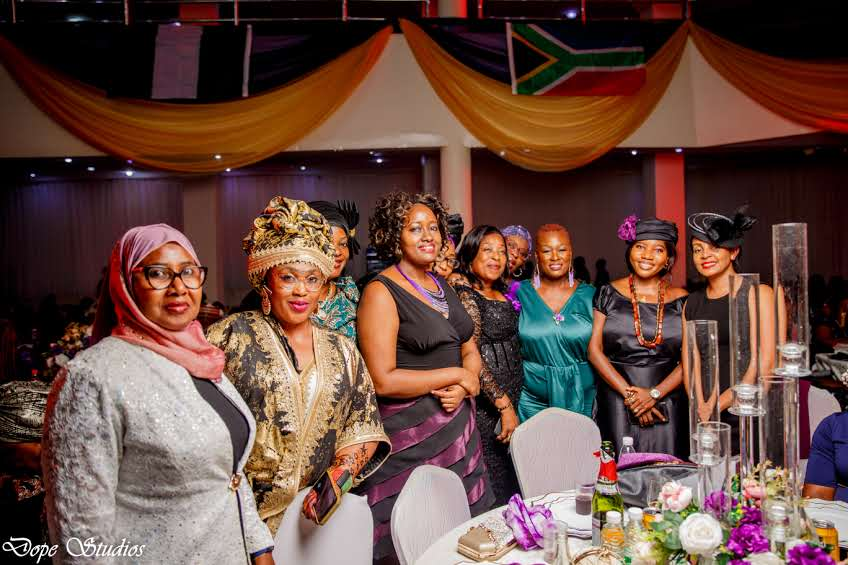
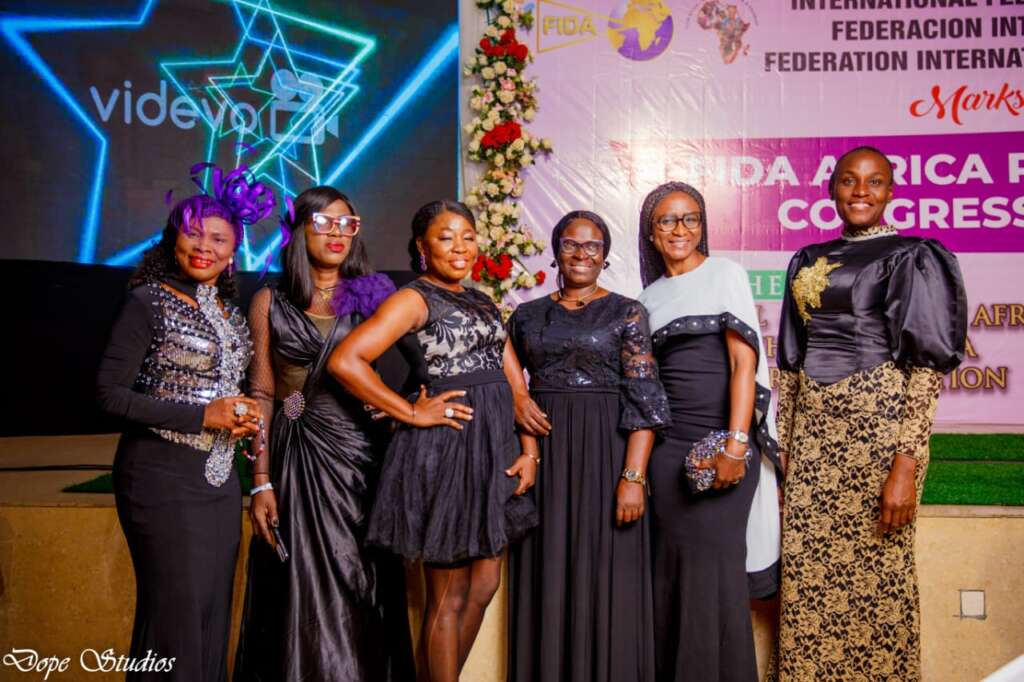
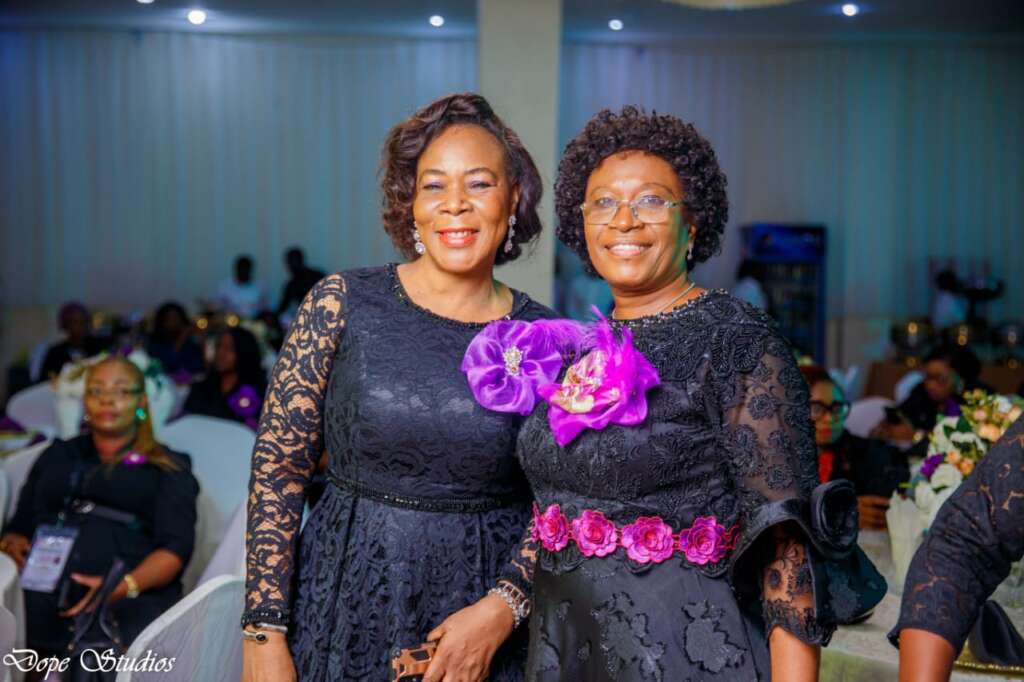
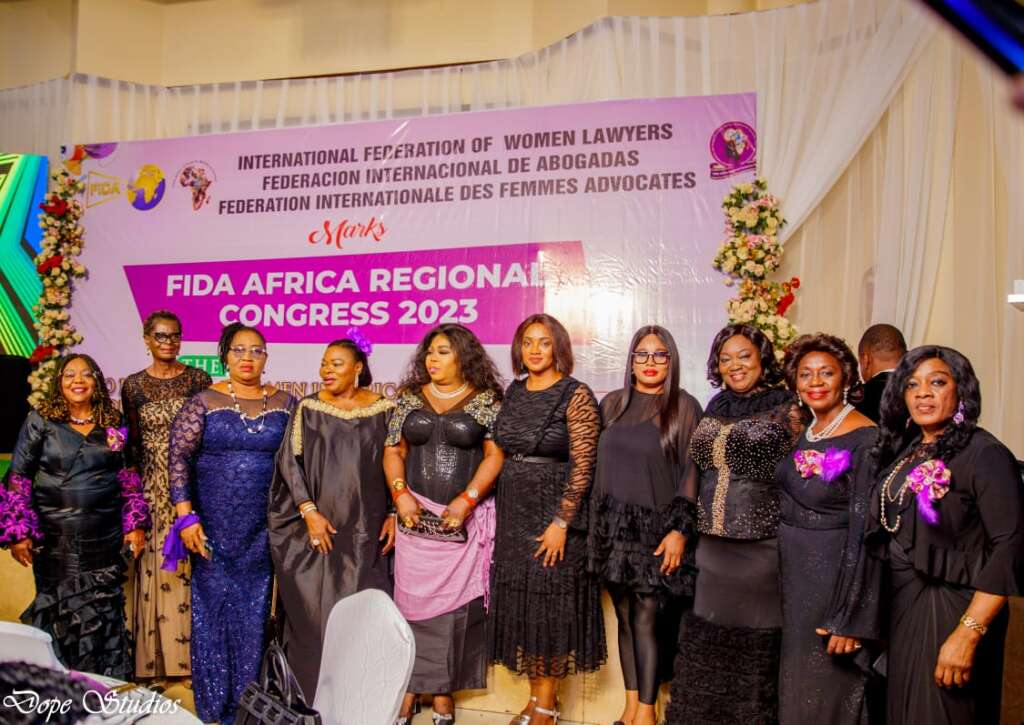
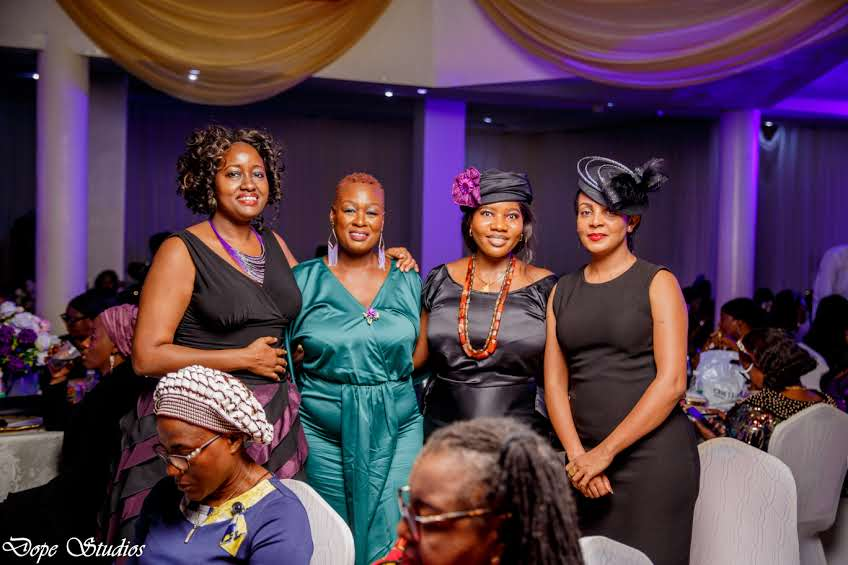
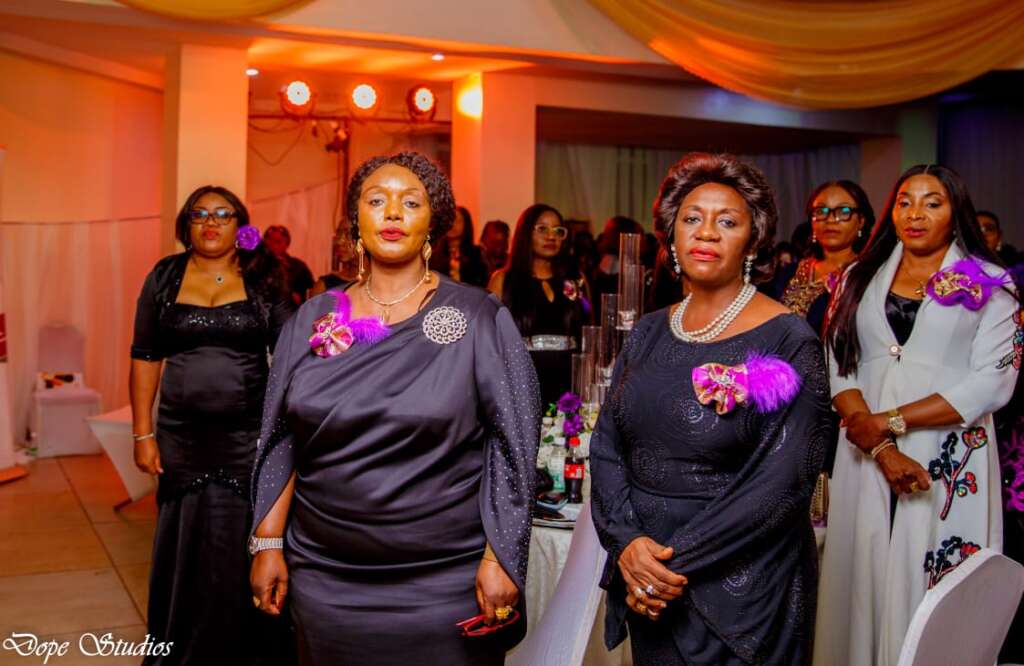
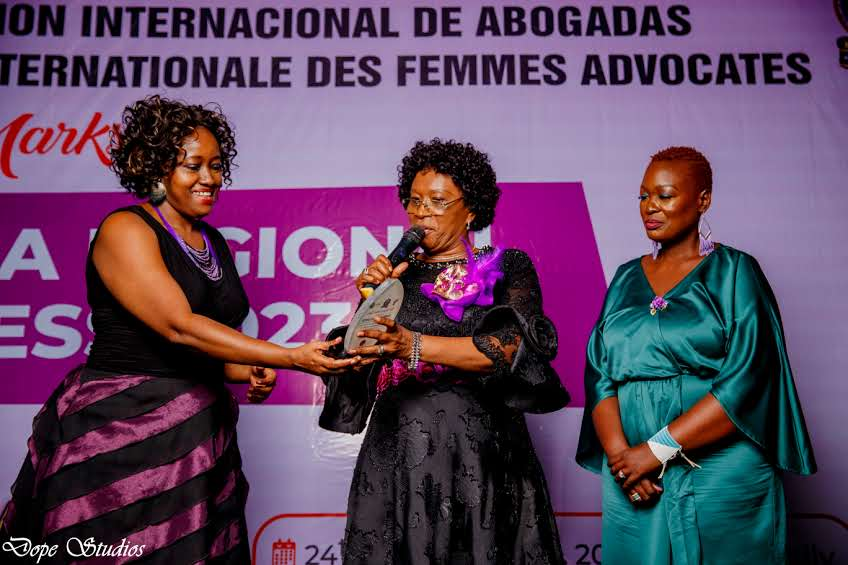
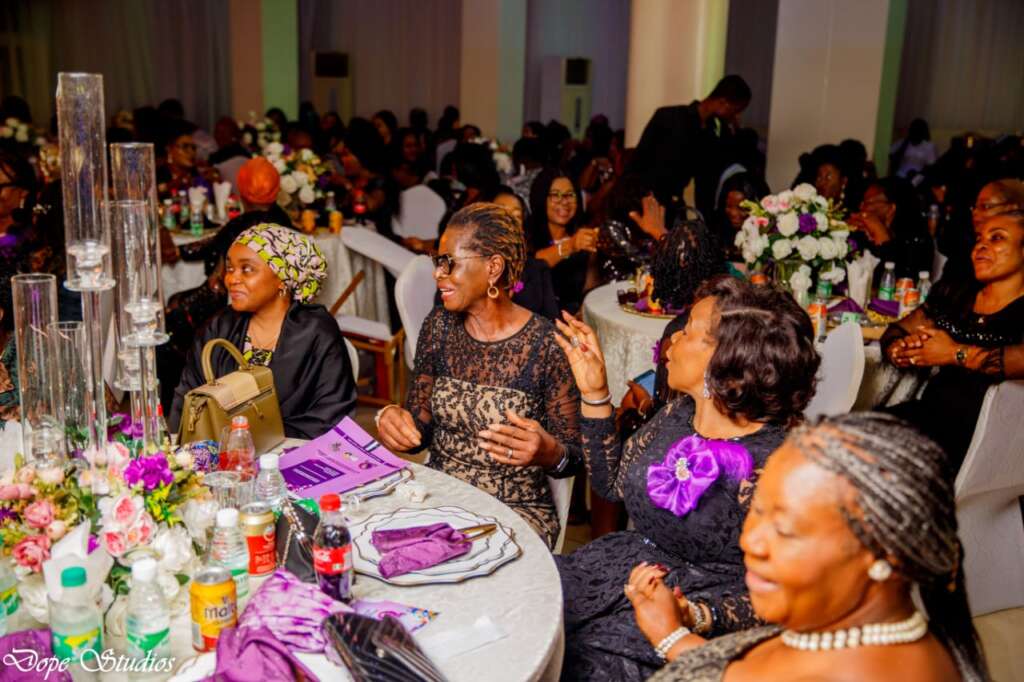
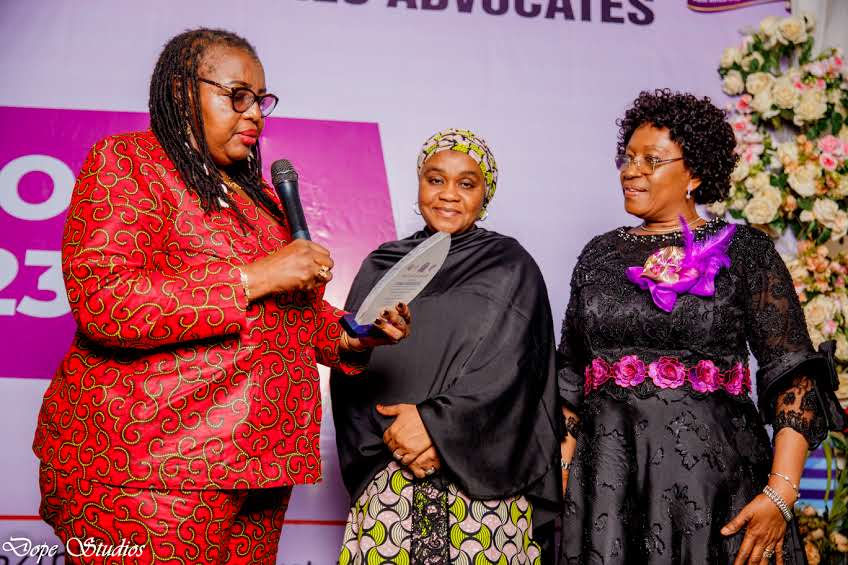
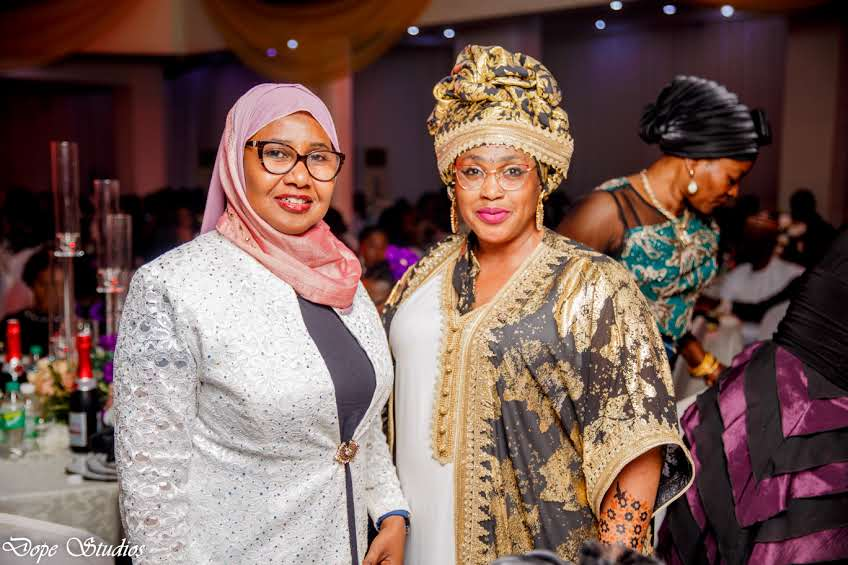
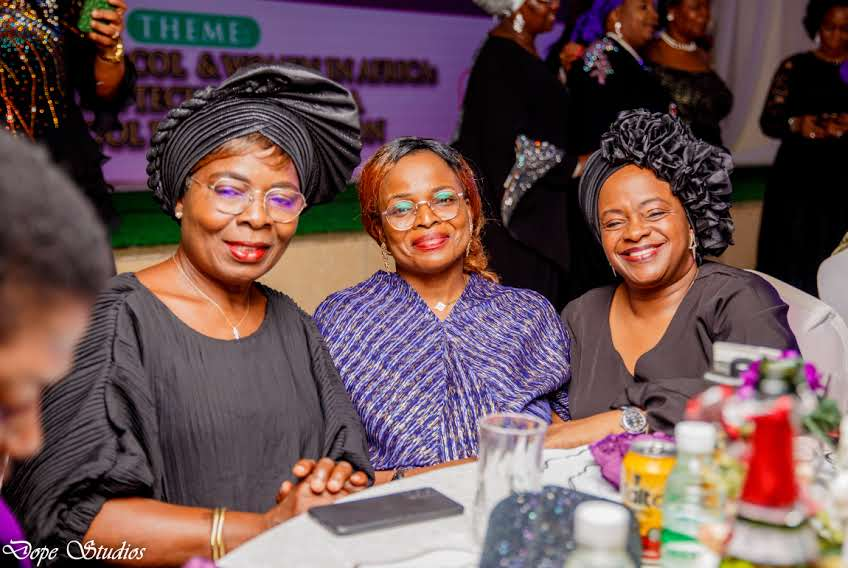
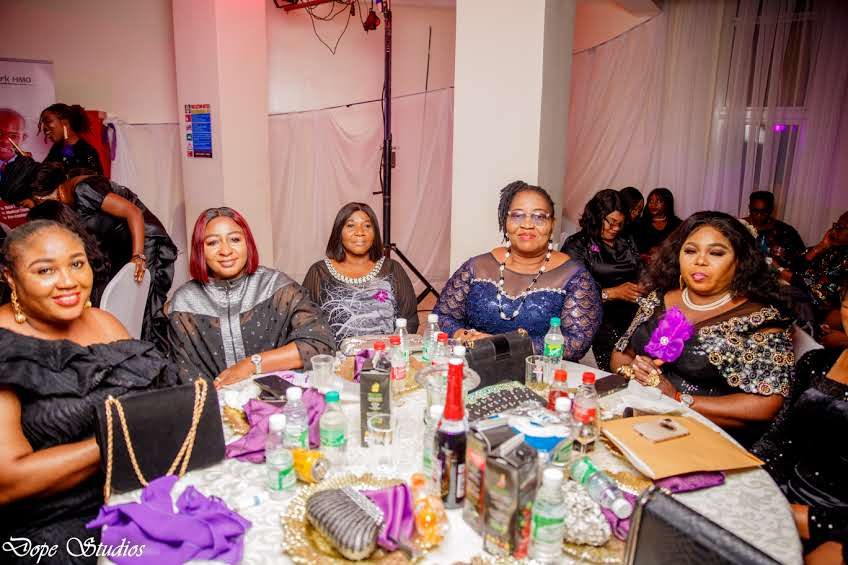
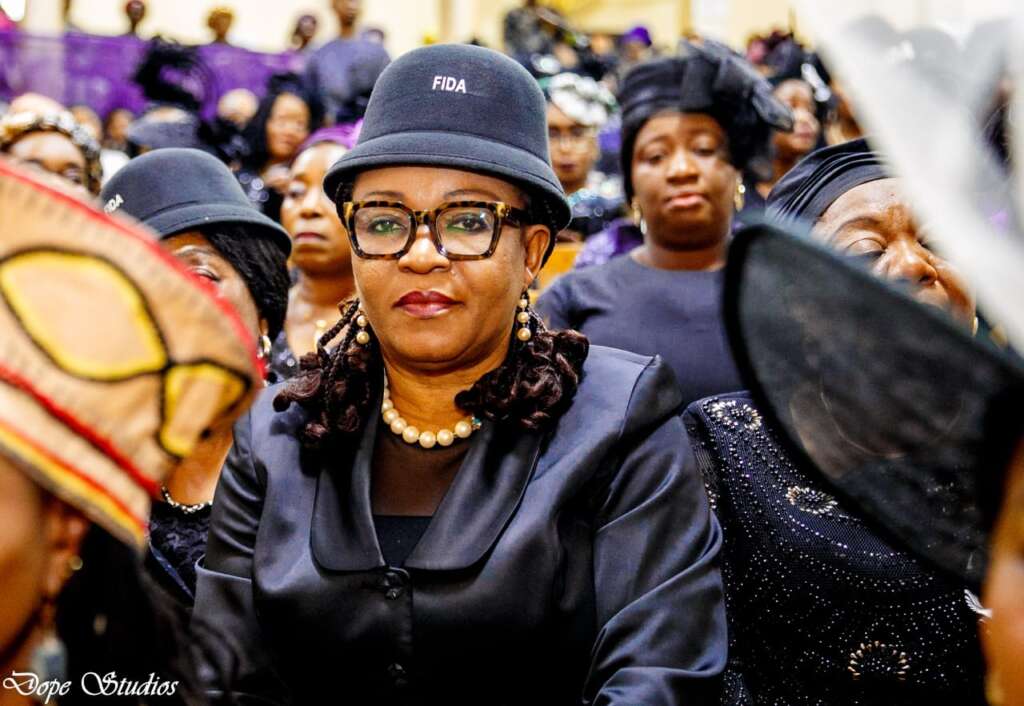
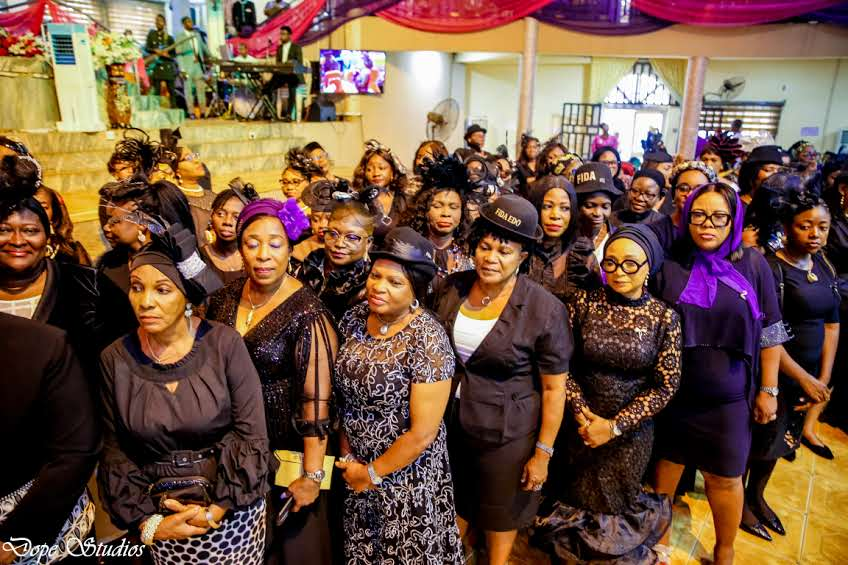
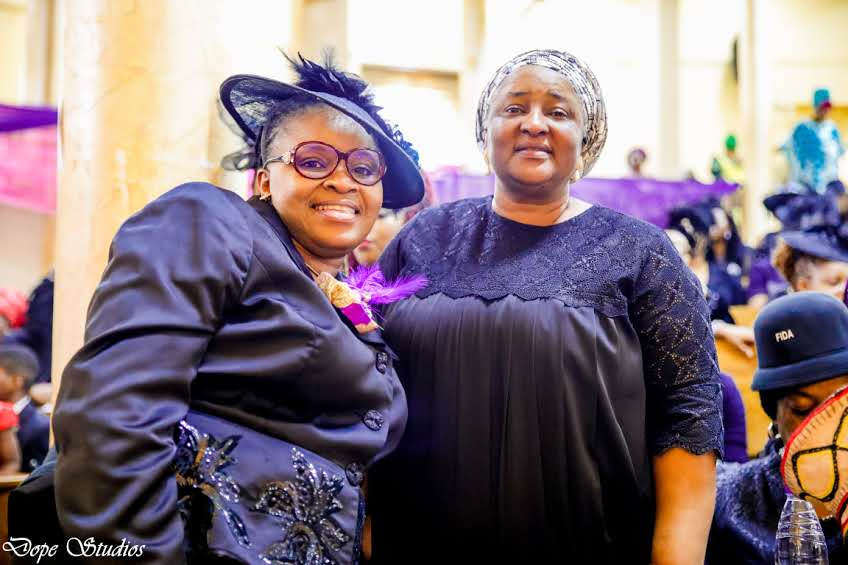
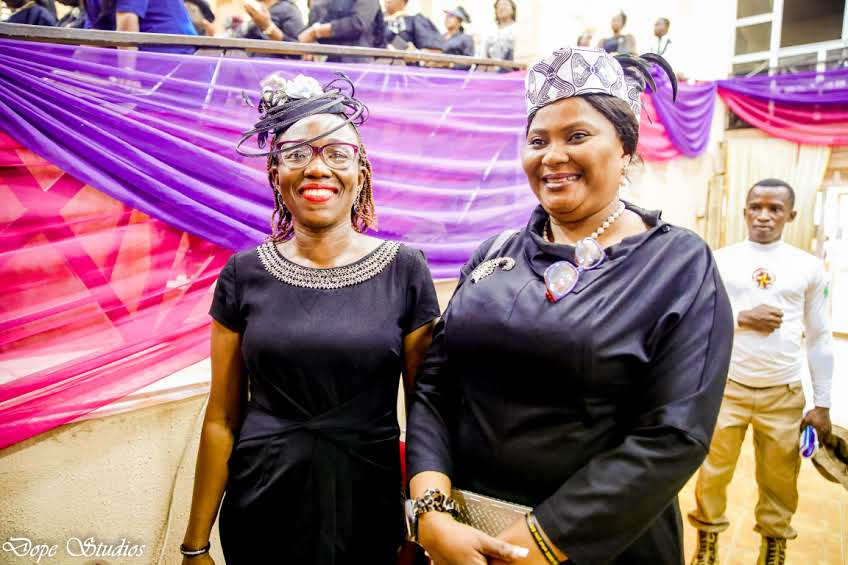
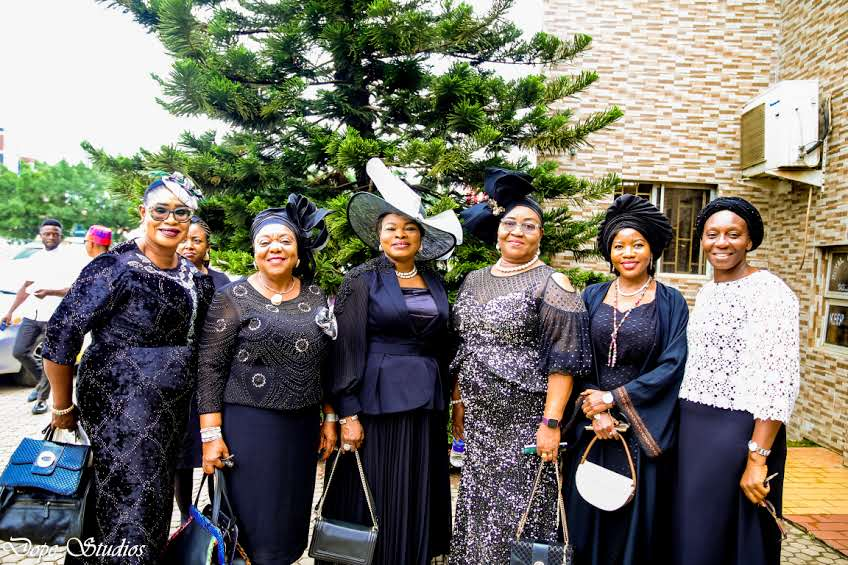
Photo Burst: FIDA Africa Dinner and Awards Night

On Saturday, the 26th of August, FIDA Africa Regional Congress had its formal Congress Dinner and Awards Night.

View the photos below.

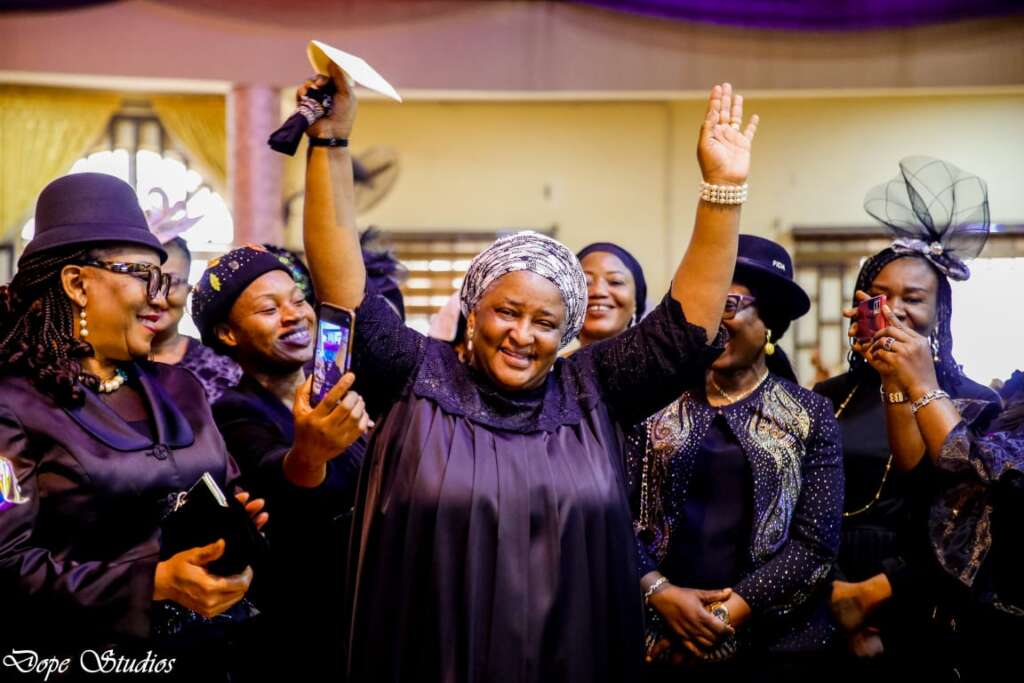
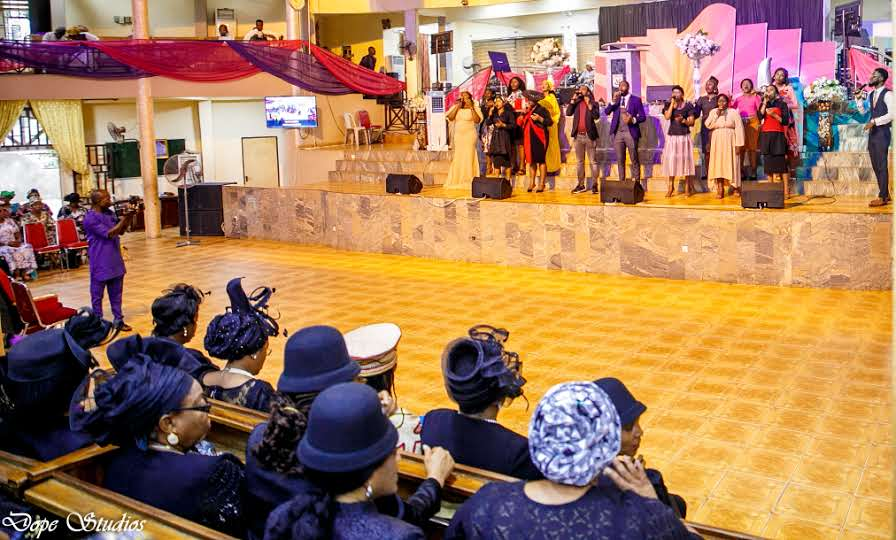
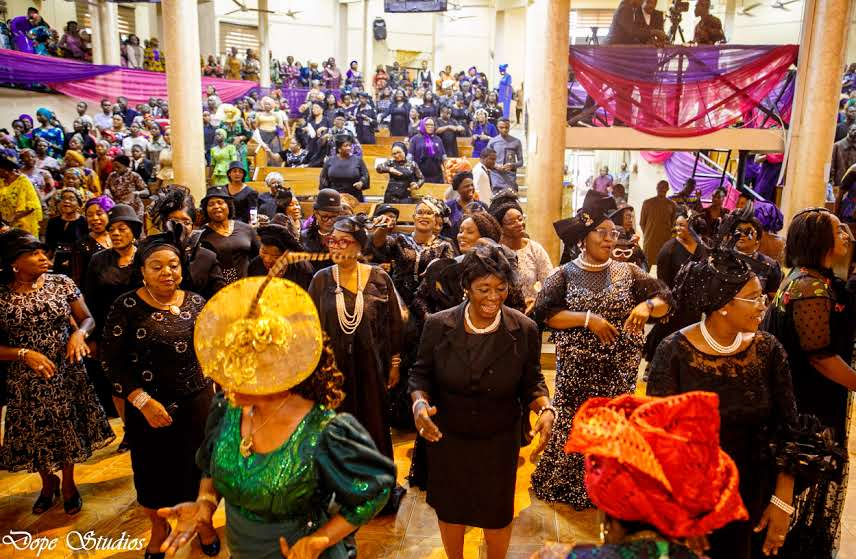
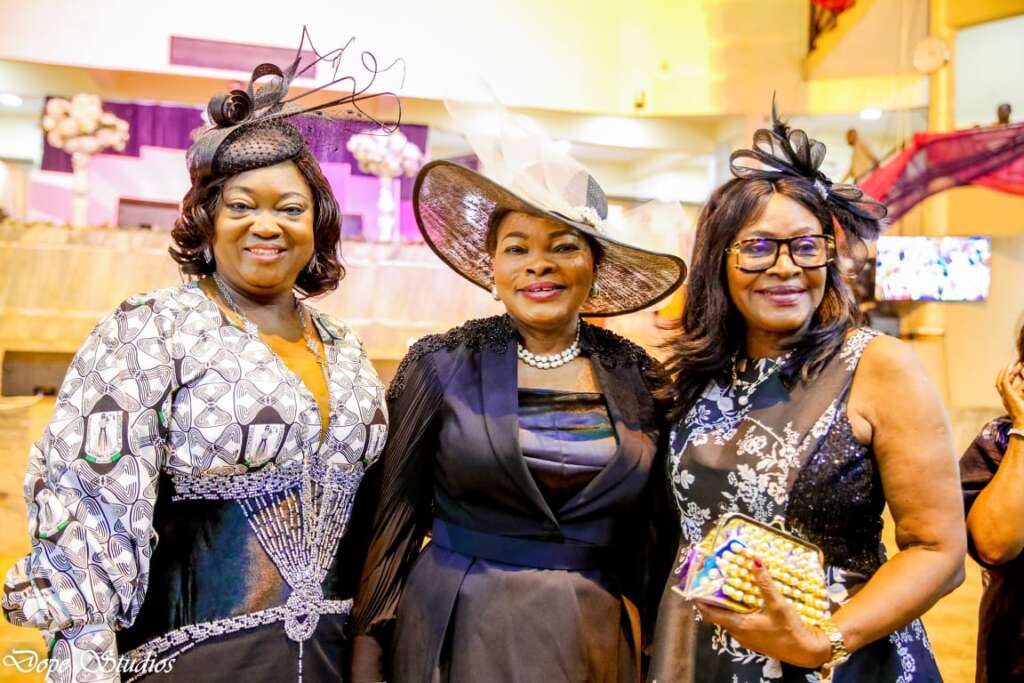
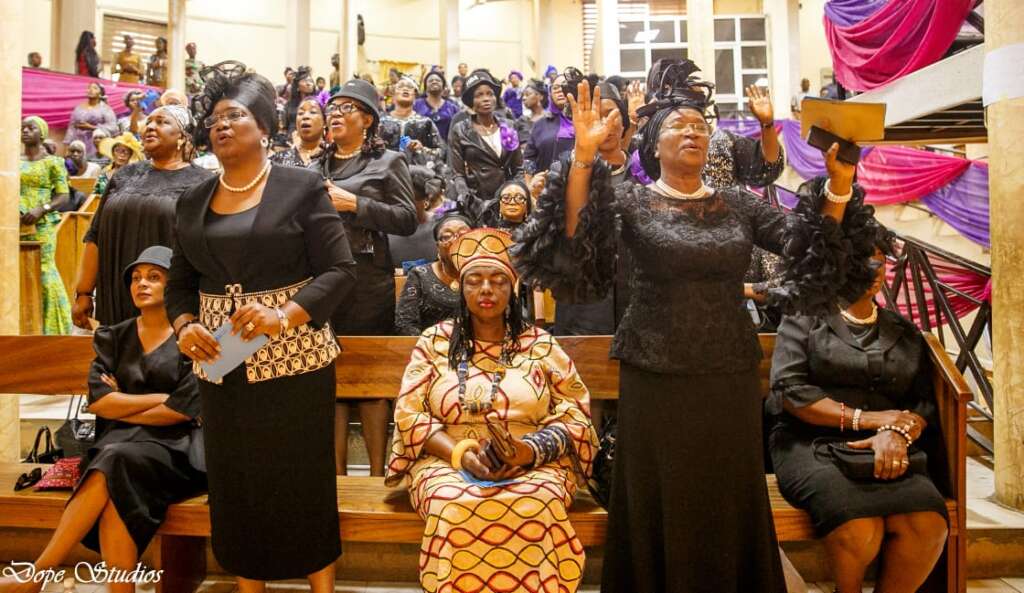
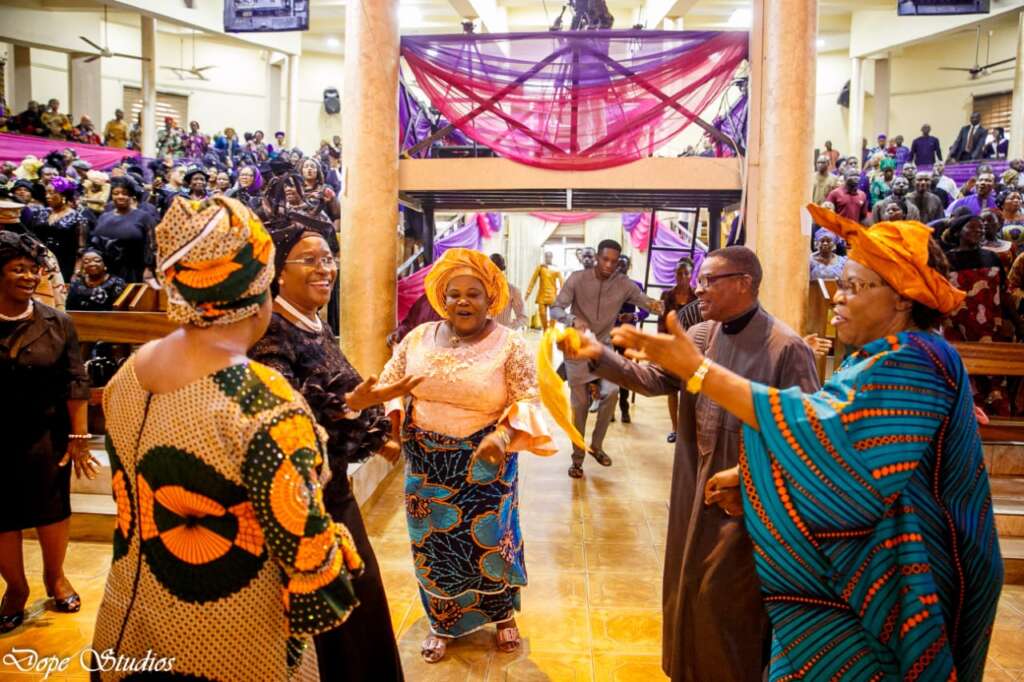
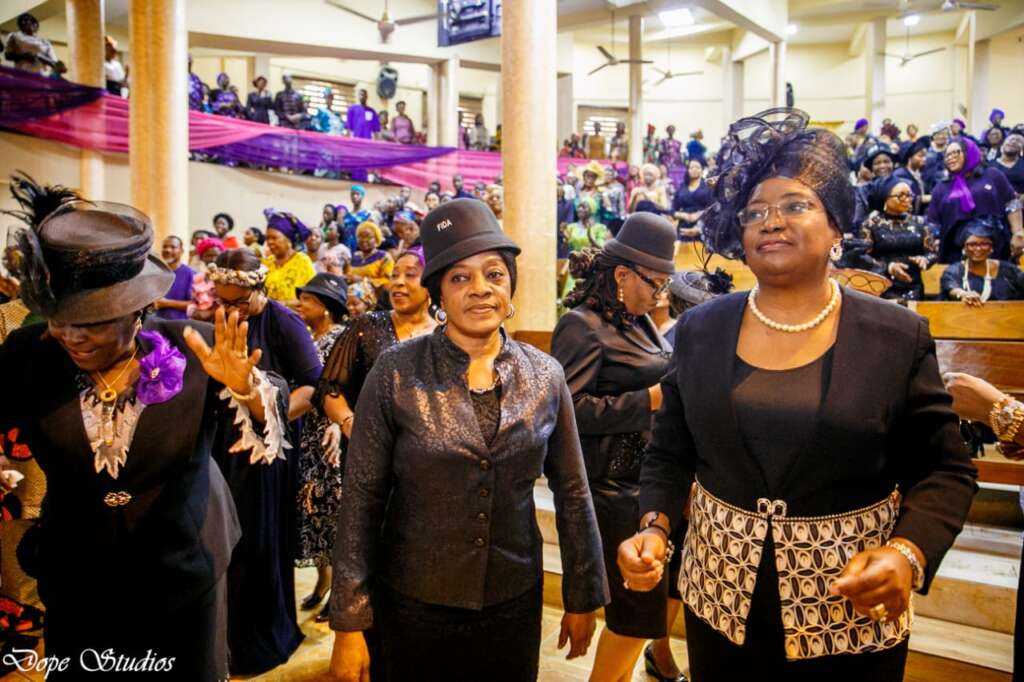
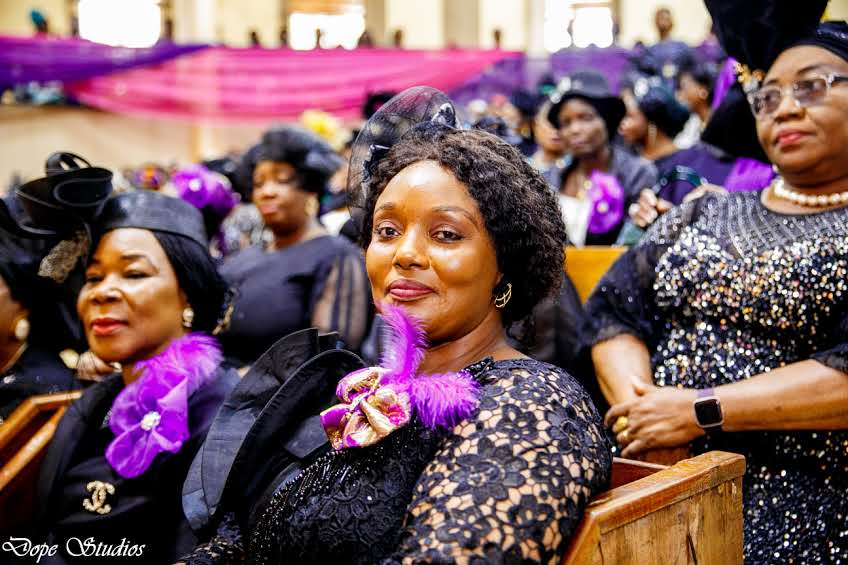
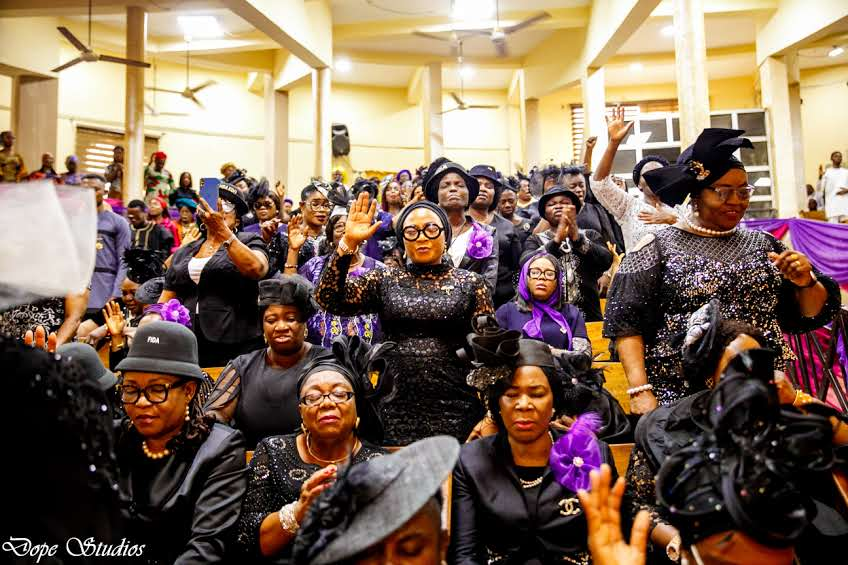
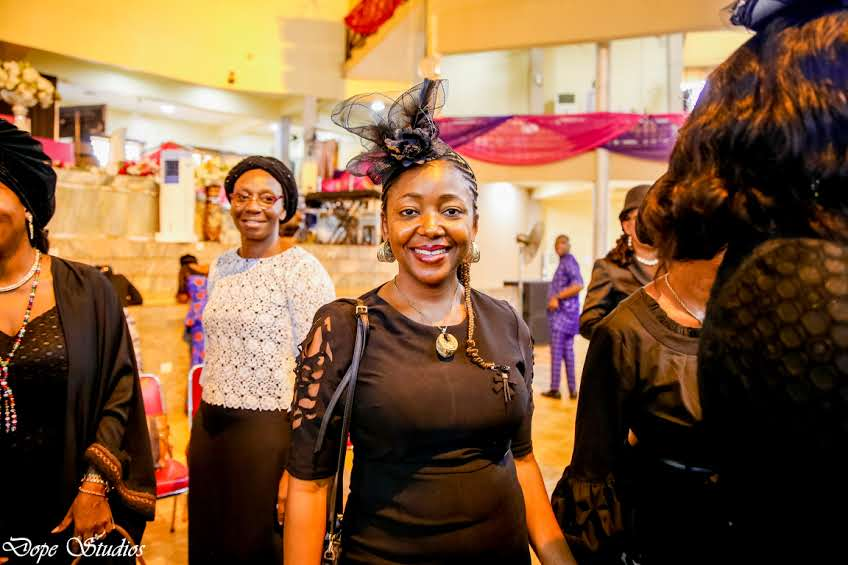
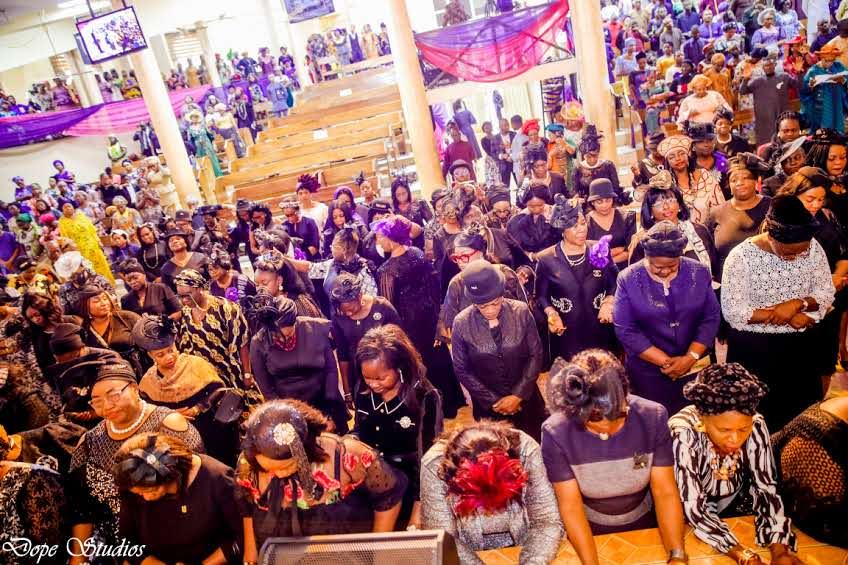
Photo Speaks: FIDA Africa Regional Congress 2023 Thanksgiving Service

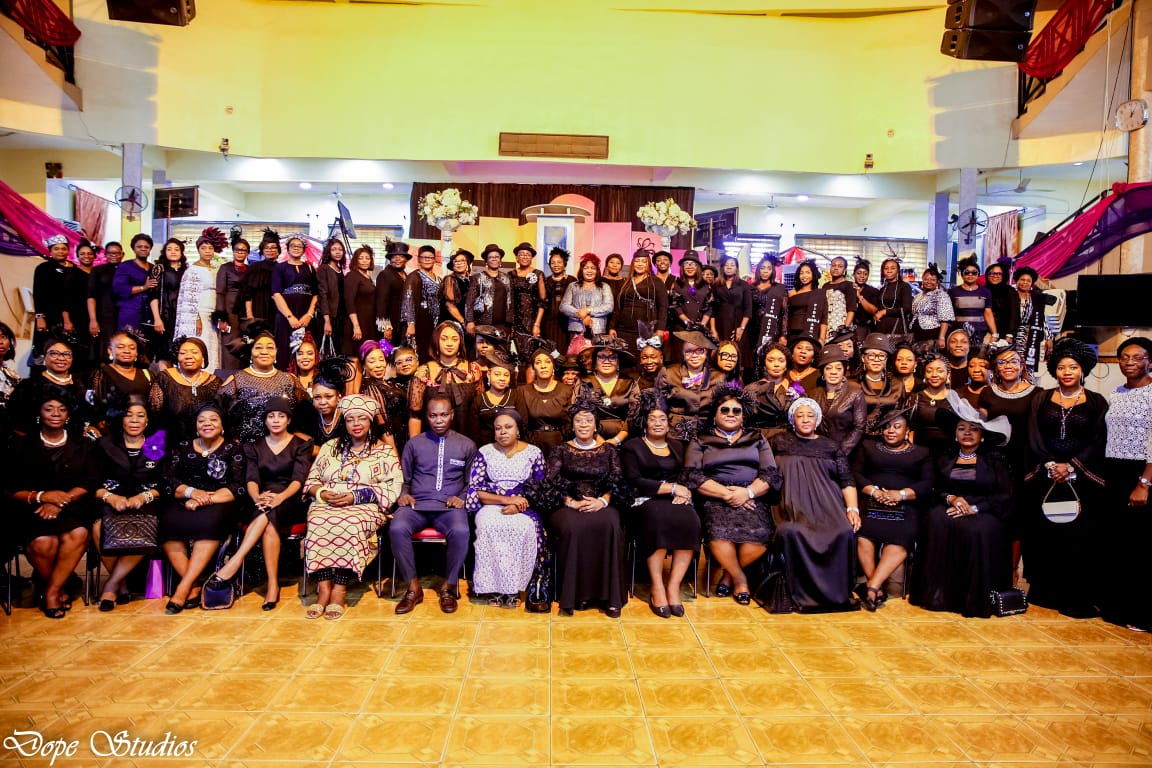
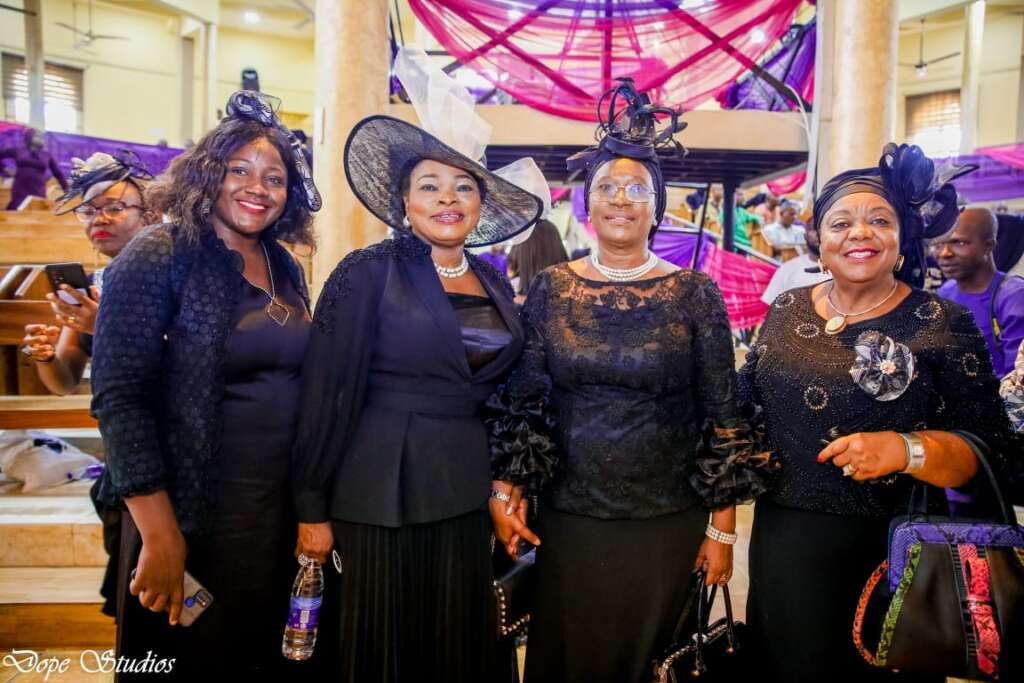
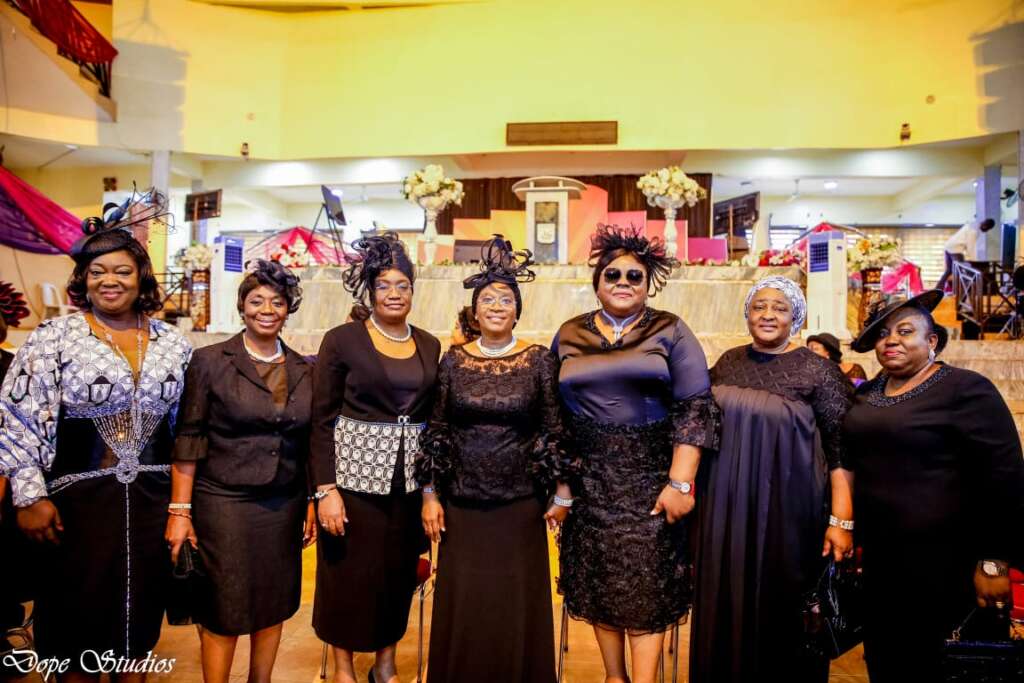
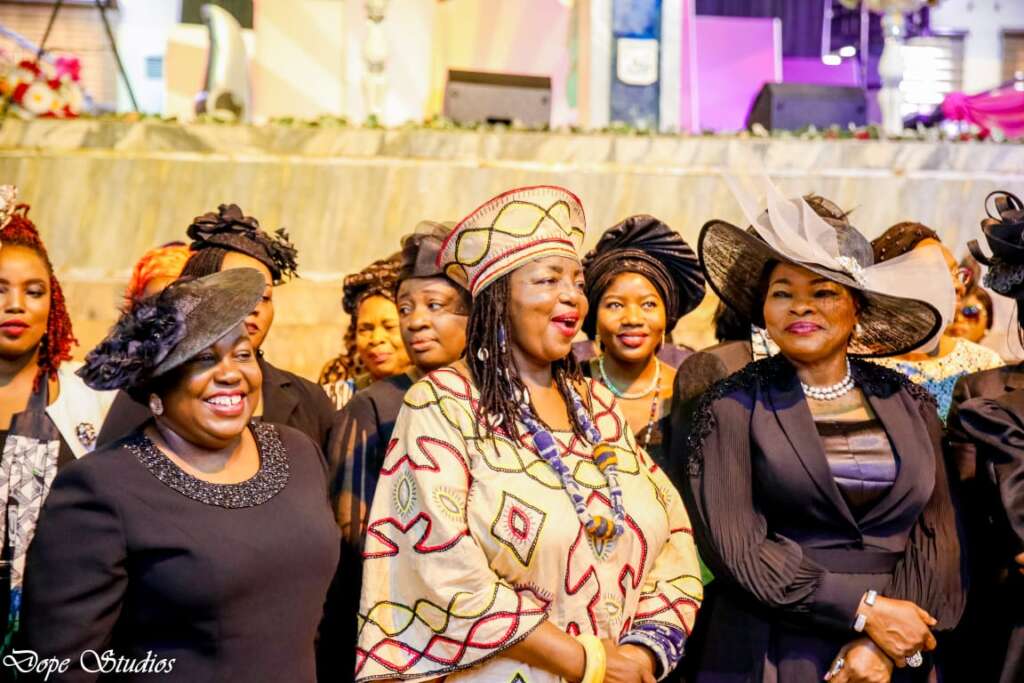
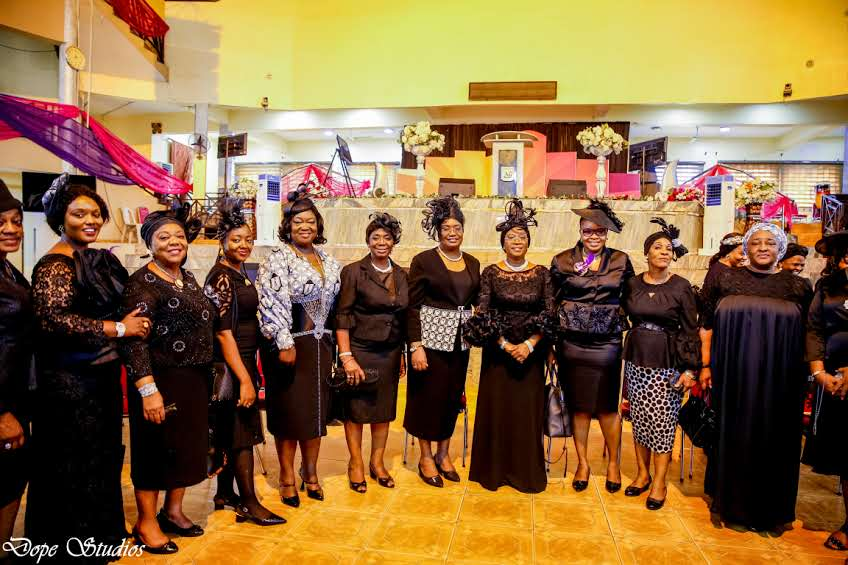
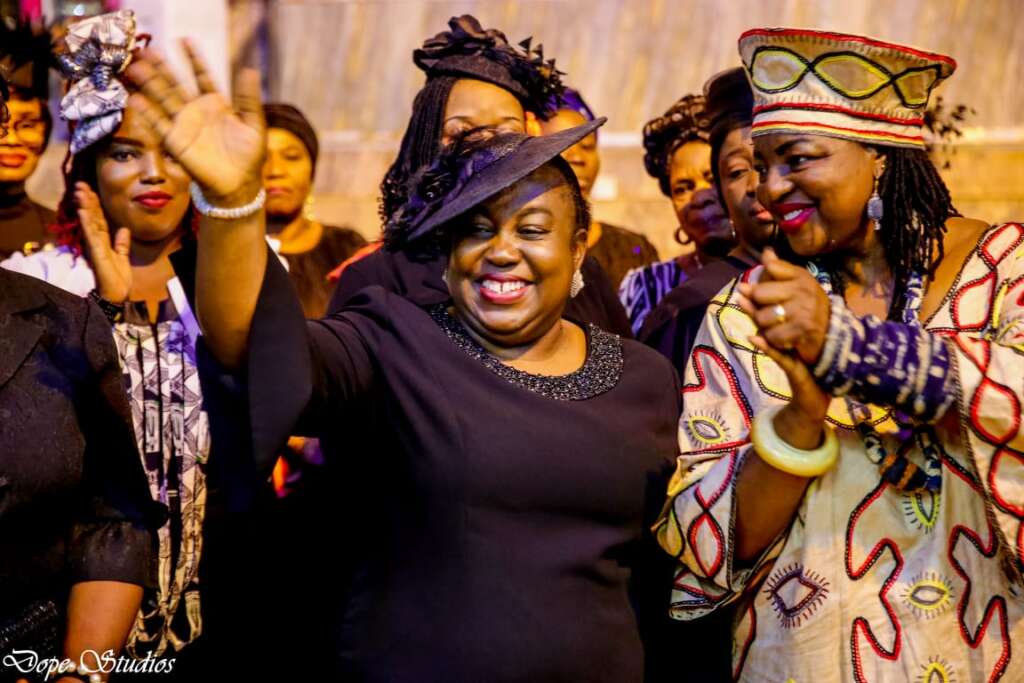
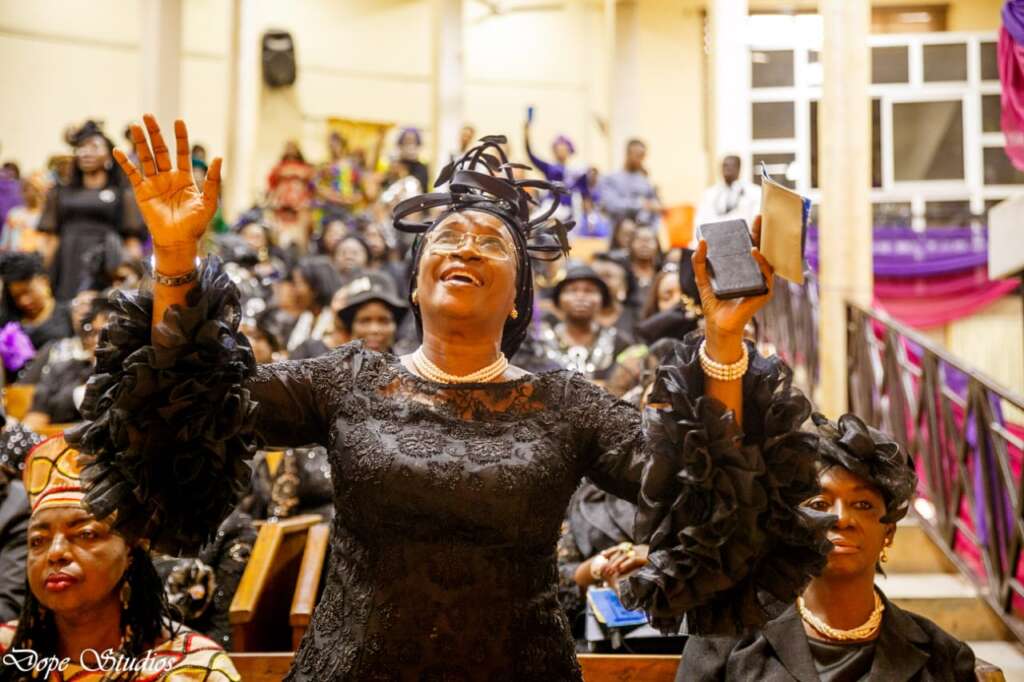
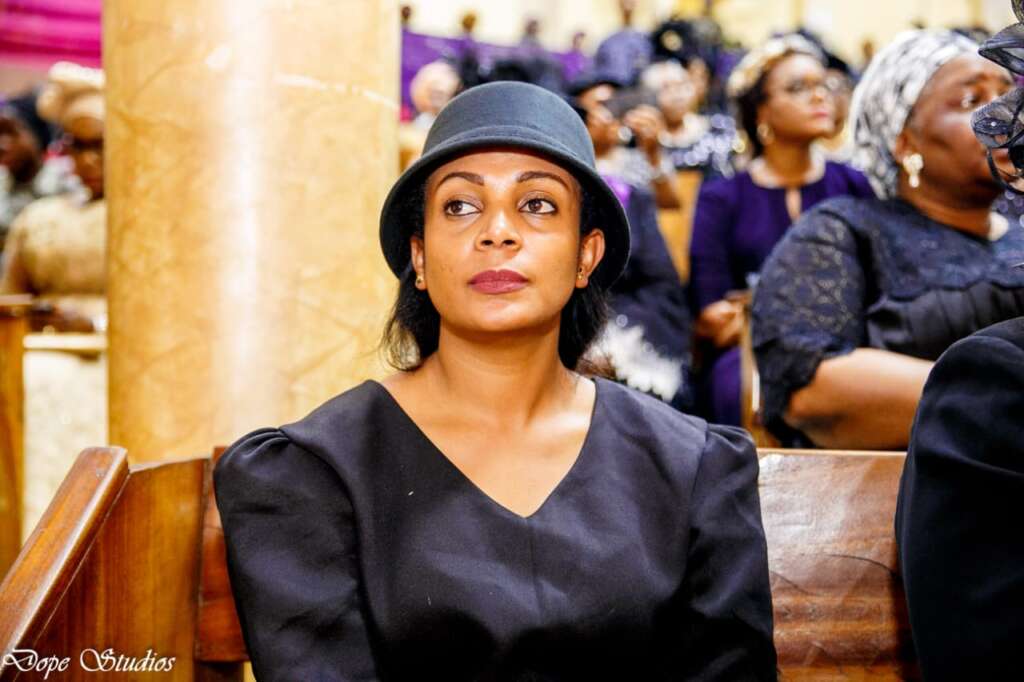
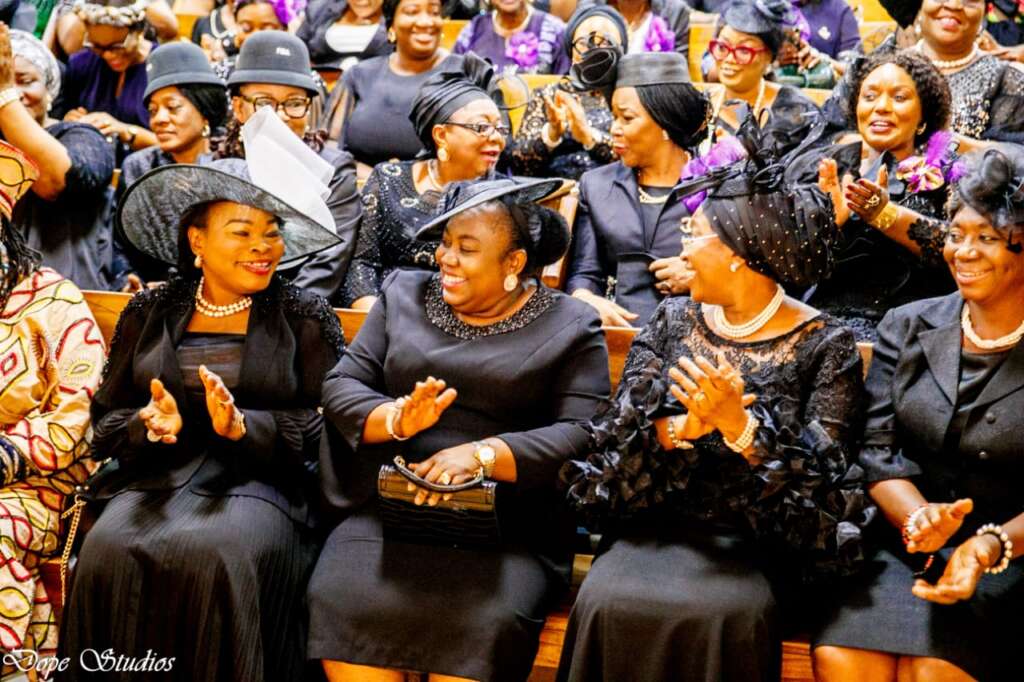
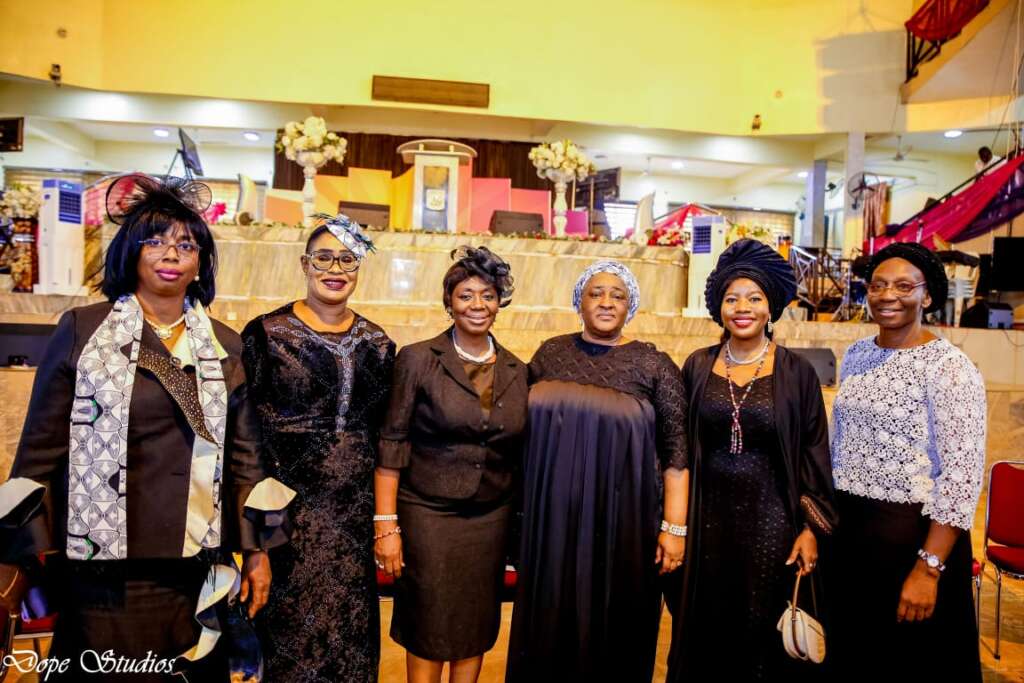
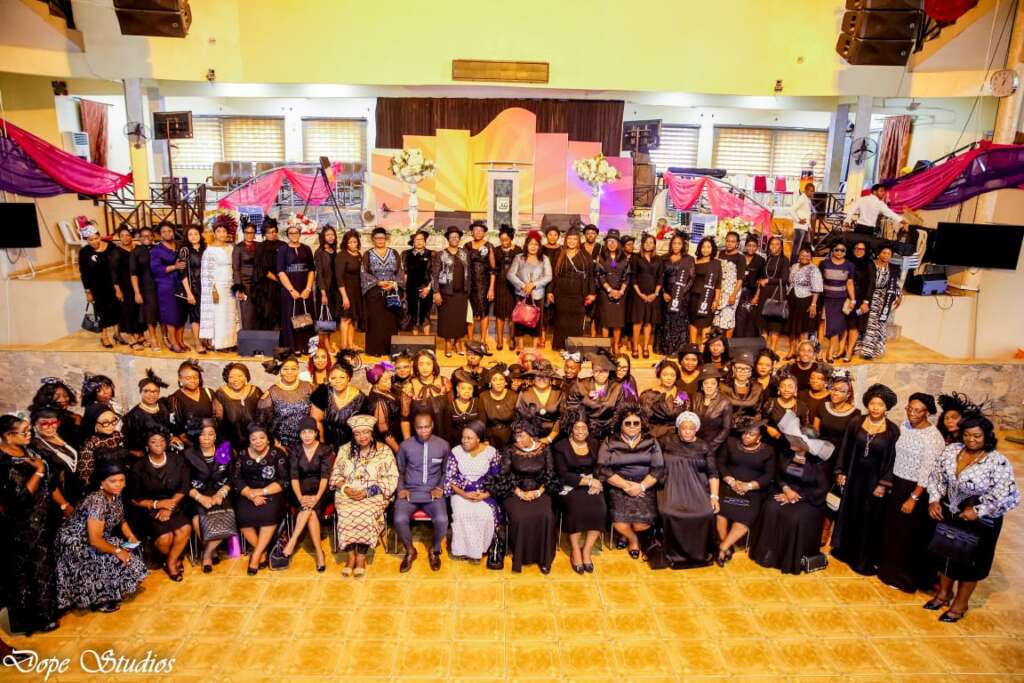
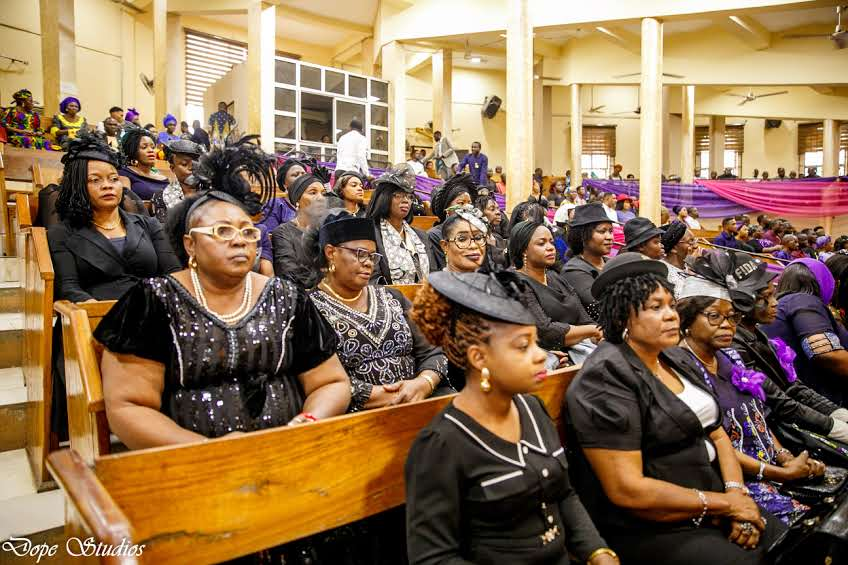
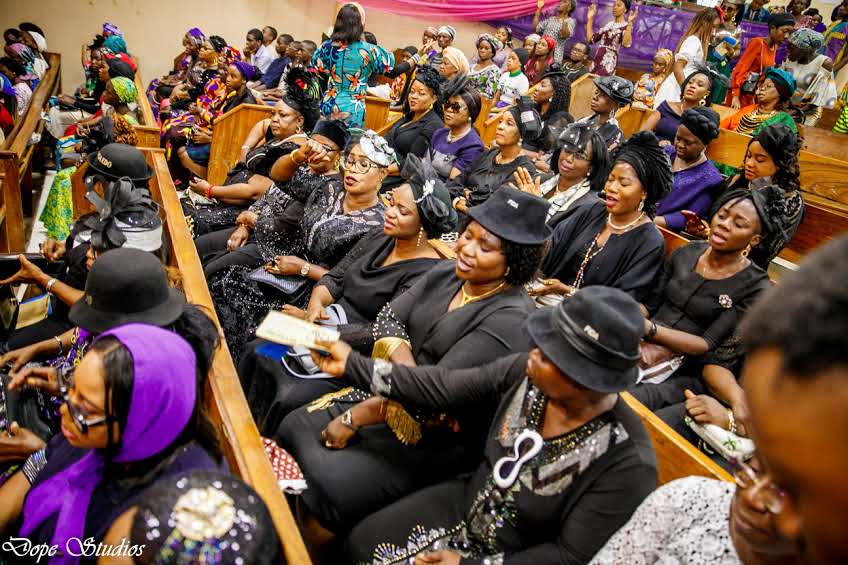
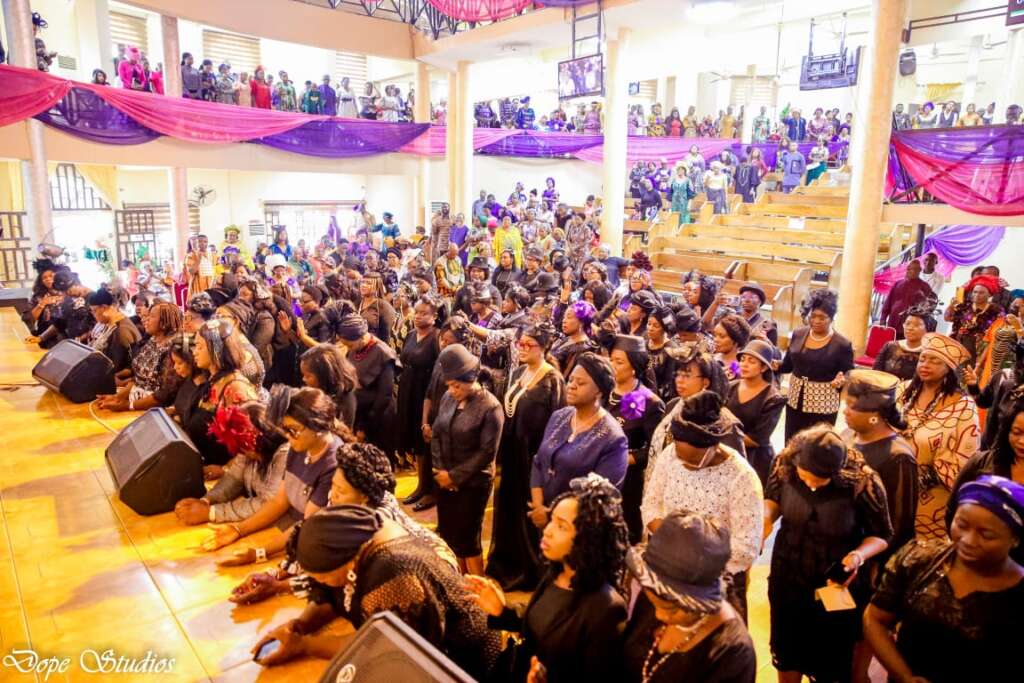
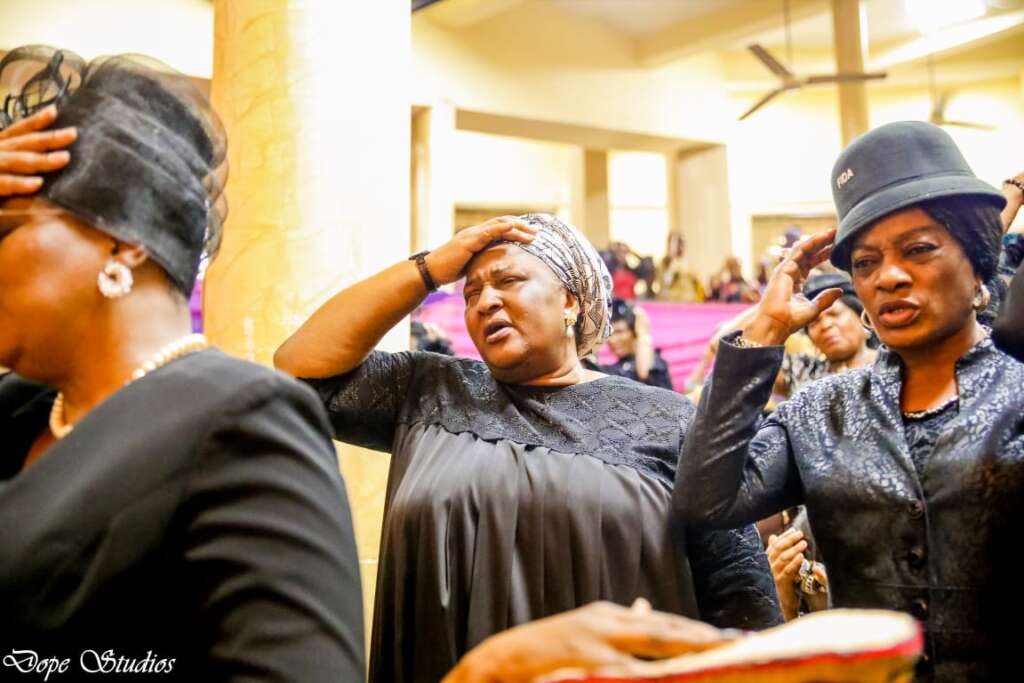
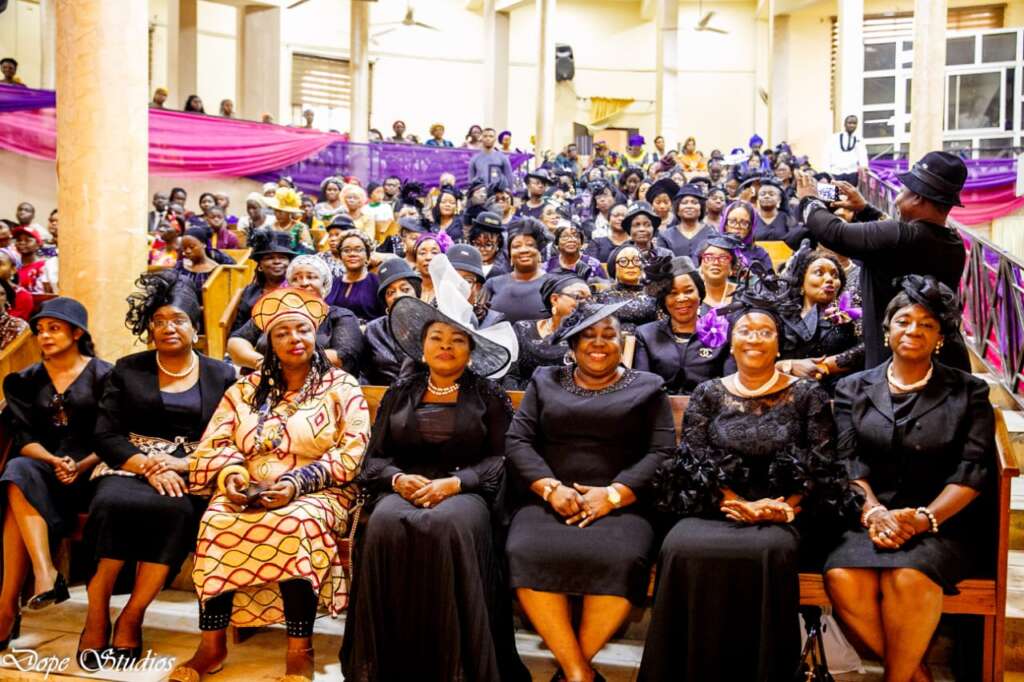
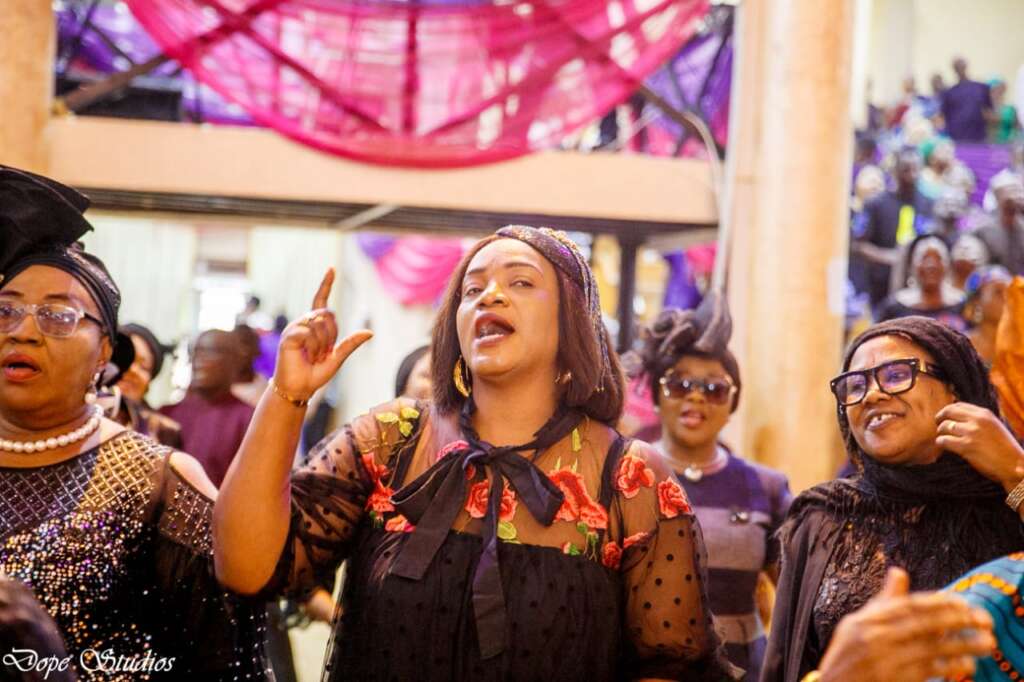
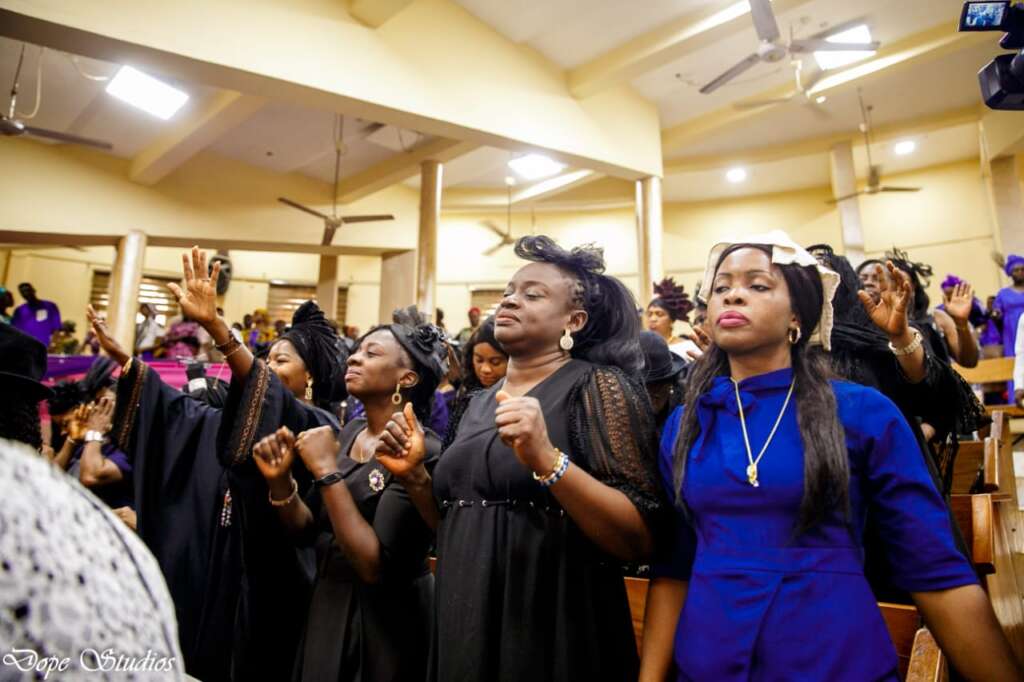
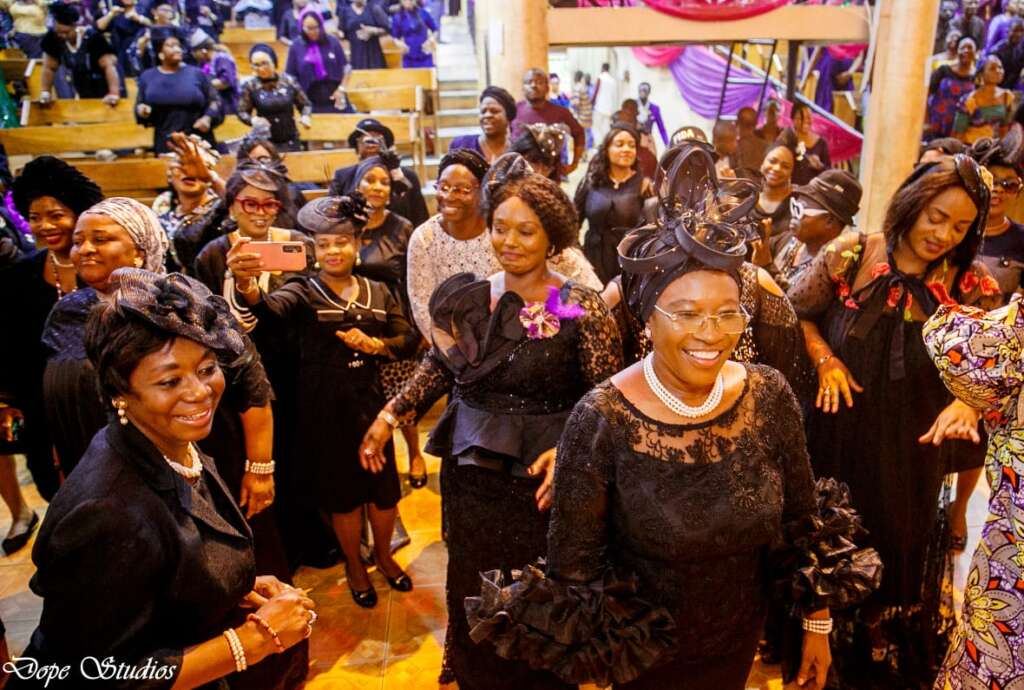
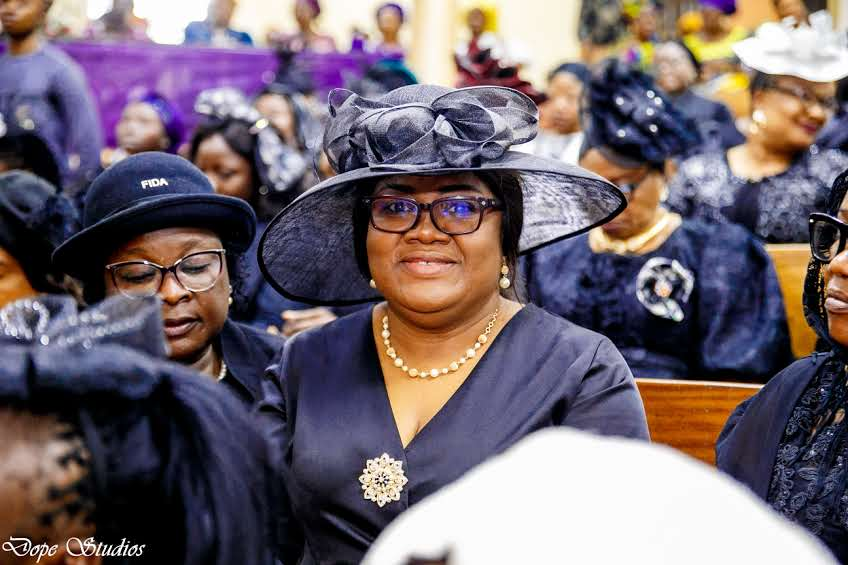
To wrap its triennial African Regional Congress, t he International Federation of Women Lawyers (FIDA) held its thanksgiving service on Sunday at Assemblies of God National Worship Center, Michika Street, Ahmadu Bello Way, Area 11, Garki in Abuja.

Below are some of the event’s photos.

e

Towards a new African Renaissance

By Sonnie Ekwowusi

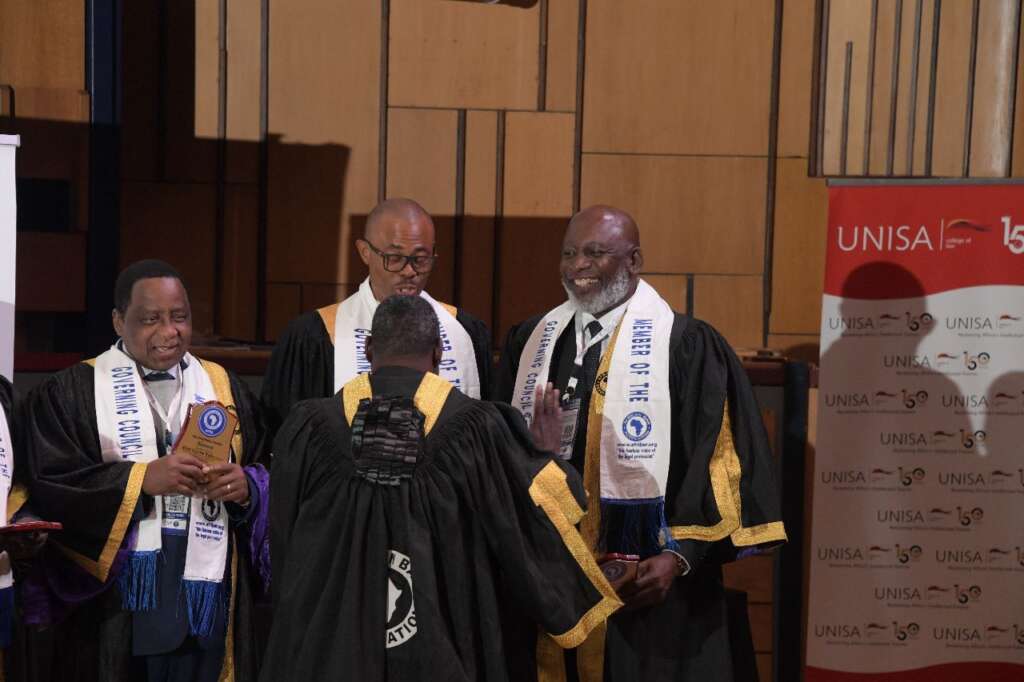
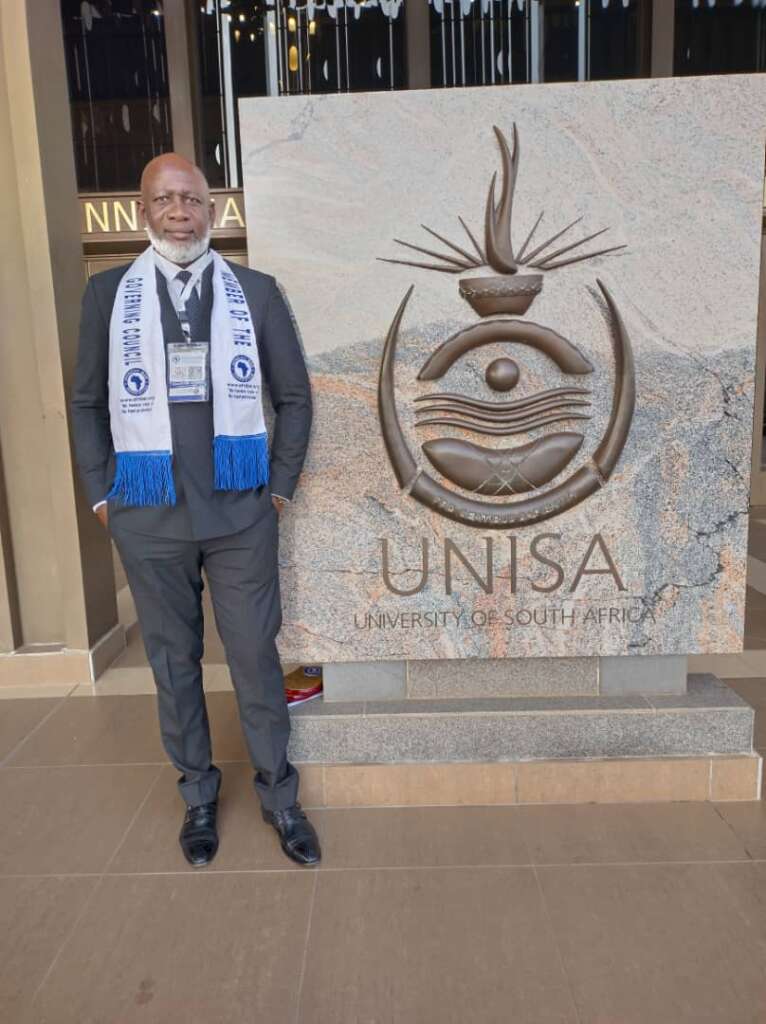
The recently concluded Annual Conference of the African Bar Association at the University of South Africa in Pretoria, Republic of South Africa, presented an opportunity to forge a new African renaissance that guarantees human flourishing, a more egalitarian and equitable continental order. The theme of the conference was “Building the Legal Profession in Africa under the African Continental Free Trade Agreement (AfCFTA).”

The Special Guest of Honour was His Excellency, Dr. Cyril Ramaphosa, President of the Republic of South Africa. The conference was attended by lawyers and non-lawyers from across the 55 African countries. Current and former African Heads of State, members of the Diplomatic Corps, the military hierarchy in Africa, African judges including a Justice of the Nigerian Supreme Court, retired Justices of the International Criminal Court of Justice, and Presidents of Bar Associations in Africa were present.

The festive gathering urged African lawyers that, as officers in the temple of justice, they should fulfill their duties to their clients with a sense of responsibility without compromising professional ethics and the hallowed tradition of the Bar. The conference tasked African leaders to uphold probity, integrity, transparency, and the principles of the rule of law in governance. It also urged them to reject foreign loans with the strictest conditionalities capable of compromising African cultural heritage.

The common thread, in my humble view, that ran through the papers presented at the conference, including my paper, is that before the AfCFTA can lead to the much-vaunted economic prosperity and human flourishing in Africa, Africa must, first of all, be emancipated from various forms of hatred, pent-up ill feelings, xenophobic attacks, corruption, and profligacy among African leaders, as well as paternalistic, political, economic, and cultural imperialism that imperil Africa. First things first, the African people should first and foremost eschew bitterness, hatred, and rancor against one another. These are the most dangerous enemies to be feared in Africa because they have steadily and steadfastly been destroying the internal cohesion and esprit de corps that ought to act as the superstructures for building African ethos. It is pointless to fight external enemies when the enemies within Africa prowl around, looking for whom to devour.

To this day, Africans still cannot move freely within the continent. Now, how can continental free trade blossom in Africa without the free movement of African traders within the continent? For example, some of the lawyers and non-lawyers who wanted to attend the African Conference were denied visas by the South African Embassy for flimsy reasons. Those of us who eventually secured visas to attend the Conference were subjected to excruciating and degrading processes before being issued visas. In his speech on the eve of the 2023 BRICS Summit in South Africa, President Cyril Ramaphosa emphasized that South Africa supports BRICS expansion and partnering with other African nations, through which the continent can unlock opportunities for increased trade, investment, and infrastructure development. You may wonder how President Ramaphosa can be basking in the ego of unlocking business opportunities in Africa when there is no freedom of movement within African countries and in the absence of forged business interests and commitments among African countries.

Besides, xenophobic attacks across Africa have long been prevalent in post-independence Africa. Africans sojourning in African countries are increasingly becoming victims of xenophobic attacks unleashed on them by their fellow Africans. For example, we witnessed the expulsion of Ugandans of Asian origin from Uganda during Idi Amin’s reign of terror. Of course, we cannot forget the Ghana-must-Go expulsion of some Ghanaians from Nigeria. Post-apartheid South Africa has experienced continuous xenophobic attacks, the most pernicious being the xenophobic attacks against Nigerians. In Pretoria just three weeks ago, I inquired from a South African cab driver whether the xenophobic attacks against Nigerians in South Africa had ceased or were still going on. He told me that they had not stopped and that they were still ongoing in many subtle ways. A couple of years ago, some Nigerians who had established themselves in Senegal were attacked and expelled from Senegal on allegations that they had taken over the Senegalese market to the detriment of the Senegalese.

Apart from xenophobic attacks, there is lingering commodification of African children across Africa. In Benin Republic, for example, there are thousands of under-aged Nigerian girls forced into sexual slavery in that country. Apart from Benin Republic, young Nigerian prostitutes have successfully invaded Cote d’Ivoire, Ghana, Gambia, Senegal, Mauritius, Madagascar, Zambia, Zimbabwe, and other countries. I visited Cote d’Ivoire at the time when Mrs. Ifeoma Chinwuba-Akabuogu was Nigeria’s Ambassador to Cote d’Ivoire, and I heard her lament that there were so many young Nigerian girls trapped in the child prostitution dragnet in Cote d’Ivoire. She narrated how she had been literally apprehending these young Nigerian prostitutes on the streets and bundling them into a waiting aircraft for repatriation to Nigeria.

Prior to attaining political independence, most African nationalists, inspired by the Pan-Africanism of Nkrumah Ghana, closed ranks to forge a common ideological front aimed at wresting political independence from their erstwhile colonial overlords. By the 1960s, when most African countries secured political independence from their respective colonial overlords, the future looked bright for these independent African states. But six years down the line, it became increasingly clear that most of those independent African states could not, so to speak, sustain their respective political independence. But it seems as if what these independent Africans got from their erstwhile colonial masters was mere flag independence because these colonial masters are still shaping economic, political, and cultural policies of independent African states.

Nkrumah Ghana, who coined the term neo-colonialism, defines it as a type of colonialism in which the subject nation is, in theory, independent with all the outward trappings of international sovereignty, but in reality, their economic systems, and thus their political policies, are dictated by their former colonial masters. The most pernicious form of neo-colonialism is cultural neo-colonialism. The West does not stop at sponsoring military coups in Africa; it is also sponsoring anti-cultural concepts such as LGBTQ and transgenderism to deconstruct or destroy the religious, philosophical, and cultural convictions of the African people. Recall that the Obama administration plotted against the Jonathan government in Nigeria for enacting an anti-gay law.

The US is currently fighting against Uganda for enacting an anti-gay law. Through the corrupt mainstream media, LGBTQ+ advocates use psychological techniques to manipulate people and influence their behaviors and actions. In this regard, the US has positioned itself as the LGBTQ+ policeman of the world. As far as the US is concerned, any country that has not legalized LGBTQ+ rights cannot be in the good books of the US. Former President Obama plotted against former President Goodluck Jonathan for outlawing LGBTQ+ rights in Nigeria. US President Joe Biden has made LGBTQ+ the centerpiece of American foreign policy. As we speak, the European Union is mounting pressure on African leaders to sign the EU-ACP agreement aimed at legalizing LGBTQ+, transgenderism, and abortion in Africa, the Caribbean, and Pacific countries.

In his book, “Emerging Africa,” Professor Kingsley Chiedu Moghalu, former Deputy Governor of the Central Bank of Nigeria and a prominent politician, brilliantly elucidates why foreign aid is not the panacea to Africa’s myriad socioeconomic and political problems but rather a part of the problem itself. He questions why African leaders haven’t recognized that the billions of dollars given to many African countries by their Western development partners have failed to produce any significant developmental leaps on the continent. As a result, many aid-dependent African countries are poorer today than they were half a century ago. He laments that foreign aid comes with a slew of strings attached in Africa and explains that much of this aid involves giving with the right hand and taking with the left hand.

I wholeheartedly agree with Kingsley. Under the pretext of fighting poverty in Africa, our Western development partners are actually hindering Africa’s development. The West ensures that Africa does not produce its own food or utilize its raw materials to manufacture products for import. Additionally, the same Western powers often support power-hungry military juntas in corrupt African states to stage military coup d’états, thereby destabilizing the existing legal orders in those nations. For instance, between August 2020 and the present, military or constitutional coups have occurred in four out of the fifteen West African countries: Burkina Faso since January 2022, Guinea since September 2021, Mali since August 2020, and Niger since July 2023. Attempts in The Gambia and Guinea-Bissau were foiled. Looking at the recent coup d’état in Niger Republic, the intrusion of the military into politics is deeply concerning. Even more troubling is the hypocrisy of African leaders who claim to be striving to eliminate coups.

For example, the leader of ECOWAS, Tinubu, threatening military juntas in Niger Republic for staging a coup, himself came to power through fraudulent means. The principle of fairness should apply here – those who seek equity must come with clean hands. Many ECOWAS leaders gained power through questionable methods. President Tinubu, for instance, ascended through a Presidential election manipulated through fraud. On February 25, 2023, Nigeria’s electoral body rigged the Presidential election in favor of Tinubu. While Nigerians were challenging this fraud, the chairman of the Electoral body, Prof. Mahmoud Yakubu, fraudulently announced Bola Tinubu as the winner during the night. If President Tinubu plotted a constitutional coup to secure the presidency, what moral ground does he stand on to champion the restoration of constitutional government in Niger Republic? Although this matter is still under legal consideration, the overwhelming evidence presented in court against Tinubu indicates that he did not meet the constitutional requirements before Prof. Yakubu hastily declared him the winner of the February 25 presidential election.

Moreover, the new Tinubu government is currently grappling with challenges, including a soaring inflation rate of up to 25%, along with unstable value of the Naira, Nigeria’s currency. Nigerians are facing their worst living conditions in years, with high levels of profligacy among those in power. Numerous companies and offices have shut down due to inability to sustain operations at a loss. Nigeria has unfortunately become a subject of ridicule, relegated to a remote corner of Africa, eliciting sympathy from other African nations. Nelson Mandela poignantly captured Nigeria’s tragedy in his 2007 interview, stating, “You know I am not very happy with Nigeria. I have made that very clear on many occasions. Yes, Nigeria stood by us more than any nation, but you let yourselves down, and Africa and the black race very badly. Your leaders have no respect for their people. They believe that their personal interests are the interests of the people. They take people’s resources and turn them into personal wealth. There is a level of poverty that should be unacceptable. I cannot understand why Nigerians are not angrier than we are.”

The lingering questions today are: Will Africa ever rise? When will the new African renaissance begin? While some assert that Africa is littered with unrepentant despotic leaders and, consequently, cannot rise again, others believe that since Africa is the cradle of civilization, the continent will sooner or later rediscover itself and rise above the present challenges that are clipping its wings. Despite the seemingly irreversible cataclysm that trails Africa, it will rise again to occupy its rightful position in the world. In response to a question posed by a local journalist at a joint press conference in Accra with the visiting French President Emmanuel Macron in 2017 regarding whether France was going to strengthen its “support” for other African countries with majority French aid, Ghana’s President Nana Akufo-Addo said: “We can no longer continue to make policy for ourselves, in our country, in our region, on our continent, based on whatever support the Western world or France or the European Union can give us. It will not work. It has not worked, and it will not work,” he stressed. “We have to get away from this mindset of dependency.

This mindset about ‘What can France do for us?’ France will do whatever it wants to do for its own sake, and when those coincide with ours, ‘tant mieux’ [so much better], as the French people say… Our concern should be: What do we need to do in this 21st century to move Africa away from being cap in hand and begging for aid, for charity, for handouts? The African continent, when you look at its resources, should be giving money to other places… We need to have a mindset that says we can do it, and once we have that mindset, we’ll see there’s a liberating factor for ourselves,”

President Akufo-Addo’s warning is heartwarming. A few years ago, I met Kabasu Babu Katulondi, a former Governor of Kasai Occidental Province in Congo and a die-hard Pan-Africanist at the Leadership Institute in Arlington, Virginia, United States. Answering questions posed to him relating to the future of Africa, he optimistically predicted that despite its inadequacies and failings, Africa shall one day rise to rule the world. Kabasu tipped Nigeria as the giant that would rescue Africa from its numerous miseries. Upon learning I was Nigerian, he took an interest in me, obviously for one reason—the Boko Haram tragedy. After consoling me about the tragedy, he quickly pointed out that he was optimistically looking forward to the day when Nigeria would reclaim its leadership position in Africa. I agree with Kabasu. A United States of Africa, in the fashion of the United States of America, shall come to fruition someday. Now is the time for Africa to redeem itself. This is the acceptable time. This is the day of African salvation. Africans have come of age. African leaders should stop compromising African ideals. African leaders should stop selling Africa to the highest bidder. We are no longer under the control of our erstwhile colonial masters. Euro-centrism should give way to Afro-centrism. And Afro-pessimism should give way to Afro-optimism.

Sonnie Ekwowusi is the Chairman, Human & Constitutional Rights Committee of the African Bar Association.

Debunking YC’s Lies: False allegations of fraud against NBA IT Consultant to prevent investigation of the orchestrated cyber-attacks on NBA official domain and Webitscure Technology Infrastructure

By Pere Nduku Esq.

My dear colleagues, it has become important to make a rejoinder to the circulated audio statement of the NBA President, Mr. Y. C. Maikyau SAN at the just concluded NBA-NEC meeting which held on the 26th of August 2023, and which has been published on several blogs and News platforms.

The President, in an attempt to save face, and to cover up the allegations of cyber-attacks, conflict of interest and insider dealing, presented a false narrative and shamelessly lied to members of NEC in order to mislead them on the details of the contractual relationship between the Nigerian Bar Association and Webitscure Technologies & Innovations Limited just as I earlier said he would in my letter. find here https://tinyurl.com/tybnn

We shall hereunder answer the allegation of fraud made by the President against Mr. Adams Mshelia-Makarios of Webitscure to prevent an investigation into evident cyber-attacks and actions to undermine the company, starting with the false claim of our refusal to submit to an audit:

  1. The Issue of Audit: it is pertinent to state that following the cyber-attack on the NBA domain and BPF platform, we submitted an audited report of the cyber-attack and requested for a further audit by the NBA via our email dated 20th April 2023 to which the NBA did not respond. Herein the letter https://tinyurl.com/sapril20

On the 29th of April 2023, the President sent us an email requesting an audit of our engagement with the NBA, to which we ACCEPTED via an email on the 3rd of May 2023, further requesting therein that the cyber-attack of 31st of March 2023 be included in the audit.

Once again, in our correspondence to the NBA on the 31st of July 2023, we reiterated our request for a transparent and open audit which to this day has not been heeded. Copies of all the correspondences mentioned above are hereby attached to substantiate our claim herein.detailed report https://tinyurl.com/ynbaa

It is therefore shameful that despite requests for the conduct of a transparent audit, the President in disregarding his standing in society blatantly lied to members of NEC and the generality of the NBA that we refused to submit to an audit. This is an act that cannot and must not be associated with integrity.

  • NBA Office Internet Installation: the internet installation at the NBA office was contracted to a vendor prior to this current administration and neither the total cost of installation nor use amounted to even 30% of the former as was twisted. We have records to confirm this, and which shall be produced if any audit is to be conducted (as it has become obvious that the NBA leadership is avoiding an audit).

One may ask how come the supposed document from the internet company that never existed before or exchanged in any communication with Mr. Adams Mshelia-Makarios surfaces one year later after the President’s nephew, Mr. Solomon Magaji is accused of a cyber-attack on the NBA BPF portal.

  • NBA Independent Server and Launch of the NBA App: once again the allegation by the President that instead of buying an independent server, we hosted the NBA domain and BPF platforms on a server with other platforms is utterly false and which allegation will be quashed with facts as the server was solely used for the Digital NBA Project. The logs of the server are available to show every detail.
  • On the Issue of Sabotaging the Payment of the BPF: contrary to the President’s statement, we have on record that we were using our resources and funds to maintain the platform for the payment of the BPF despite the refusal of the NBA to pay us, disregarding our repeated demands.

When we became overwhelmed and ran short of funds, we once again demanded for payments, stating therein the consequence of nonpayment which include the inability to maintain the payment platform, and which resulted in the downtime experienced on the 10th of March 2023. (See our letters of demand with invoices attached dated 24th February 2023, 9th March 2023 and 23rd March 2023)

It was not until 29th of March 2023 when the NBA paid 35% of the total invoiced sum. Find details here in this detailed report by FIJ https://tinyurl.com/ynbaa

It is not surprising that the President in his usual infamous bravado has owned-up, much to the chagrin of right thinking members of the NBA that he runs the NBA as his personal family affairs which is why he openly admitted the case of conflict of interest and insider dealings in unilaterally and without due process, appointing his nephew to handle critical data and information of the NBA and thereafter, turn around to play the victim, spewing bile accusations full of adulterated truths and character assassination against the person of Mr. Adams Mshelia-Makarios.herein is the part A evidence of the cyber attack https://tinyurl.com/cybenb

Webitscure and Mr. Adams Mshelia-Makarios have nothing to hide and are ready with hard facts, for any open and independent audit. In fact, there are evidence of the said President’s nephew holding back N200,000 as kickback from the payments for the temporary NBA server sending N 1,600,000 and not the N 1,800,000 as claimed before he was exposed. Find here the evidence of the payment received https://tinyurl.com/invoizes

Also, it is on good authority that the President deliberately delayed authorizing payments for the NBA Stamp and Seal, which crippled the Vendors ability to produce the stamps and only acceded after spewing false narratives to members to damage the vendors reputation and make room for his replacement claiming to Chairmen of Branches and members “that we shouldn’t put all our eggs in same basket”.

In the event that the President is not scared to answer questions on his integrity and honesty, it is our proposition and demand to the NBA family that:

  1. An independent inquiry and audit to be led by the Chairman of the present NBA Digital Committee, Mrs. Inemesit Dike Esq. with the Chairman of the NBA Section on public Interest law, Mr John Aikpokpo-Martins Esq. be setup to inquire and audit the engagement of Webitscure with the NBA.
  • The independent inquiry and audit be carried out openly at the AGM grounds with Mr. Adams Mshelia-Makarios and personnel of the company present in front of all esteemed members on the following allegations.
  • The independent inquiry and audit into the March 31st, 2023, cyber-attack on the NBA domain and BPF platform.
  • The NBA should pay Webitscure for the invoiced services rendered to it.

For the avoidance of doubt here are details of some members data affected by the orchestrated DDOS cyber-attacks as contained in the logs received from the audit logs colli***[email protected] uba***[email protected] barek****[email protected]
Pere Nduku Esq.
Legal Adviser Webitscure

Pastor who committed suicide over rejection by lover buried in evil forest

  • Suicide: How harsh economic realities spike depression, mental illness

The Pentecostal pastor who reportedly committed suicide after being jilted by a lady he saw through the university is said to have been buried in an evil forest.

Stung by the rejection, Prosper Obum Igboke, who pastors a Pentecostal Church in Nnewi, Anambra State has allegedly jumped down from a two-story building. He died instantly.

A relative of the deceased who spoke to our correspondent on condition of anonymity said the man had trained the lover at the university, after which she declined his marriage proposal.

The source said: “The incident happened last month. The man was 30 years old at the time of his death. His girlfriend, whom he intended to marry disappointed him after seeing her through the university.

“He jumped down from a two-story building and died. I am surprised that a man of this age and a pastor can do this.”

According to the source, following the tradition of Leru Autonomous Community of Umunneochi Local Government Area in Abia State, the pastor was buried on Friday in a bush in his community for committing what they consider sacrilege.

PUNCH reports that

Of late, Nigeria has witnessed a tremendous rise in the number of suicide cases in the country.

Experts said Nigeria is gradually seeing a return to having policemen mount guards on Lagos bridges, especially the Third Mainland Bridge, considered to be a suicide hotbed, to arrest those with suicide intent.

In a report by The PUNCH, no fewer than 79 persons committed suicide in Nigeria in 2022.

Findings showed that the 79 persons comprised 70 males and 9 females were involved within the period.

The figure, it was noted, did not include the number of suicide cases not reported by journalists.

The breakdown showed that Lagos ranked highest with 12 suicide cases; followed by Oyo; 10; Kano, four; Anambra three; Edo, three; Delta, three; Ogun, three; and Rivers, three.

A Professor of Psychology at the Department of Psychology, Adekunle Ajasin University, Ogun State, Bolanle Ogungbamila, blamed the current spike in the number of people dying by suicide due to the dire economic situation.

He told PUNCH Healthwise that the economic condition in the country had reduced or stopped the level of support people get at the family level because most people no longer have enough to take care of themselves.

Ogungbamila, who is also the Coordinator of Pre-degree Social Sciences, at the Adekunle Ajasin University, said people no longer have the psychological wherewithal to cope with the situation in the country and have taken to suicide ideations.

 “Instead of facing the challenges, some people begin to see themselves as the cause of the problems they are facing and with it comes this self-guilt that leads to depression and consequently, suicide attempts or they end up committing suicide,” he said.

Apart from the economic situation in the country, he said people with serious mental health disorders are also at risk of dying by suicide because of auditory hallucination that comes with it.

 “One of the symptoms of schizophrenia, a serious mental disorder in which people interpret reality abnormally, is auditory hallucination, which in some cases, leads to suicide and suicide attempts when the patient is not monitored,” he quipped.

He said these categories of people might hear voices that may tell them to jump into the river or kill themselves and because they interpret things abnormally, they would obey the voice.

The psychology professor noted that there might also be suicidal tendencies among people with bipolar disorder, which can be triggered by depression.

 “Bipolar disorder can involve symptoms of depression, which sometimes leads to thoughts of suicide. Though not everyone with bipolar disorder experiences the condition in the same way, those who experience intense depressive episodes might have recurrent thoughts about ending life,” he added.

Lately, the case of a Lagos socialite, Mrs. Farida Sobowale, who was rescued by passersby on Third Mainland Bridge, while attempting to plunge to her death, is still generating reactions.

The woman, who owns House of Phareedah Bodycare and Spa, in a viral video, was seen weeping and surrounded by concerned Nigerians.

Earlier, before Farida’s suicide attempt, the body of a young man, who jumped into the Lagoon from the Lekki-Ikoyi Link Bridge end, was recovered.

The victim was suspected to have died by suicide two days earlier, the Lagos State Emergency Management Agency, revealed in a statement.

In another development, a female officer of the Nigerian Air Force, simply identified as George, also died by suicide in her residence in Ikeja, Lagos.

The officer, a Master Warrant Officer stationed at 651 Base Services Group Resident, Sam Ethem Air Force Base, was discovered lifeless, prompting an immediate investigation into the circumstances surrounding her demise.

Findings made by the military showed she died by suicide inside her room at about 1400hrs on June 10, 2023.

In a similar development, on May 19, it was reported that a former Battalion Commanding Officer, who led the fight against Boko Haram in the North East, Major U.J Undianyede, died by suicide.

It was learnt that he died less than 72 hours before the verdict of a court-martial trying him for alleged military infractions during the war was made known.

Many more such suicide cases abound all over the media and according to experts, such acts will continue to happen unless the triggers are addressed.

According to the psychologists, who spoke with our correspondent, untreated emotional wounds would definitely lead to depression, one of the factors in the spike of suicide in the country today.

“Unfortunately, the recent happenings in Nigeria is gradually sliding many citizens, especially youth, into depression, leading to rising cases of suicide, suicidal tendencies and suicide attempts among Nigerians, who have refused to seek help from psychologists or psychiatrists due to stigmatisation,” Ogungbamila said.

He noted that there is a need to educate to seek help for mental illness, stressing that such a move does not mean that they are mad or less human.

“If you are treated for such illness, you are more balanced. We need to see psychological or psychiatry treatment just the way we see seeking help for malaria and headache,” he added.

The psychology professor decried the fact that people with emotional hurts seek spiritual solutions, instead of getting professional help.

Ogungbamila said, “There should be more awareness and education on this issue. People should know that there is a need to seek help when depressed. The government is currently giving out palliatives to Nigerians and such quick intervention is needed to calm the situation. The palliatives should be sustained as a quick psychological win.

“The government should also create an enabling environment for businesses to thrive, especially the SMEs that would support the poor and young people. More importantly, family and friends should check on their loved ones. We need to be trained on how to manage the situation in the country.

 “The first thing that happens to a depressed person is that he turns the anger, to himself instead of looking for a solution. They need to be told that they are not the problems, and hence, they need to be happy and love themselves too.

 “Apart from the book’s explanation of the factors that precipitate suicidal ideation, we need to research on the factors fueling suicidal ideation in young adults because before suicide takes place, it would have been thought of; it is a product of deep thoughts.

 “So, we have seen quite a number in the schools, where one of my postgraduate students is currently researching on suicidal ideation among students in secondary schools.”

 According to the Nigerian Postgraduate Medical Journal, depression is a major public health problem with a prevalence of 4.4 per cent in the global population, and 5.4 per cent in the African region and affects about 322 million people globally.

 The publication noted that depression, like in other regions of the world, is more common among females (5.9 per cent) compared to males (4.9 per cent) in Africa. The prevalence of depression in Nigeria is estimated at 3.1 per cent, while the estimated incidence increased worldwide by 49.86 per cent from 172 million in 1990 to 258 million in 2017. There is a notable increase in Western sub-Saharan Africa by 124.42 per cent.

 A Psychiatrist at the Federal Neuro-Psychiatric Hospital, Yaba, Lagos, and a member of Employee Assistance Professionals, Dr. Odete Williams said depression is a major co-efficient of suicide, yet many people never felt that it is a serious mental health issue that should be given serious attention to save the lives.

Depressed patients, he said, need help and require the services of psychologists or psychiatrists.

He lamented that the stigma associated with depression, especially among those seeking the services of psychologists or psychiatrists in Nigeria, is one of the reasons people who need evaluation of their mental health shy away from professional services, thereby worsening the already precarious situation.

 While noting that some medications, including antidepressants, can cause some people to experience suicidal feelings, he said, “Some antipsychotic medications and mood stabilisers also cause some people to develop suicidal propensities. “Abroad, people that join gay and lesbianism, are prone to suicide, when society starts lashing out at them. It may become unbearable to the extent that they may resort to taking their own lives, as an escape from the overwhelming and unbearable trauma.”

 A Clinical psychologist with Lagos University Teaching Hospital, Idi-Araba, Lagos, Dr. Nduka Emeka, who said substance abuse could also be a trigger in the spike of suicide recorded in the country, advised people feeling frustrated and feeling a sense of hopelessness to see a psychologist, a psychiatrist, or any other specialist in mental health.

On what could be subtle suicide signs, the US National Institute of Mental Health stated, “There is the feeling of emptiness, hopelessness, trapped, or having no reason to live, extremely sad, more anxious, agitated, or full of rage and unbearable emotional or physical pain.

“Changes in behaviour may occur, such as making a plan or researching ways to die; withdrawing from friends and the things that used to give him or her joy; saying goodbye to loved ones; giving away important and valuable items or making a will; taking dangerous risks such as driving extremely fast; displaying extreme mood swings; eating or sleeping more or less; and using drugs or alcohol more often.

“If these warning signs apply to you or someone you know, get help as soon as possible, particularly if the behaviour is new or has increased recently.”

However, the World Health Organisation targets 2030 to achieve a reduction of the global suicide rate by one-third.

Sequel to this, the WHO, launched an intervention known as ‘Live Life’.

The successful implementation and scale-up of ‘Live Life’ interventions relies on six crosscutting foundational pillars – Situation analysis; Multisectoral collaboration; Awareness-raising and advocacy; Capacity-building; Financing as well as Surveillance, monitoring and evaluation.

“In planning and implementation of suicide prevention activities, we must understand the profile of suicide and suicide prevention. Analysis can be done nationally or regionally in consultation with policymakers, epidemiologists, persons with live experience and service providers. Suicide prevention takes leadership and political will. All sectors of society must work together,” WHO stated.

Meanwhile, the Nigerian constitution frowns deeply at suicide and clearly spelt out punitive measures for those caught embarking on such venture.

According to  Section 327 of the Criminal Code Act, titled, ‘Attempting to commit suicide’, criminalises the act.

“Any person who attempts to kill himself is guilty of a misdemeanour and is liable to imprisonment for one year,” the code states.

Sources: Igbere TV News/ PUNCH

TIPS