Home Blog Page 640

Super Eagles, Gallant Troops and our reward system

By Chidi Omeje

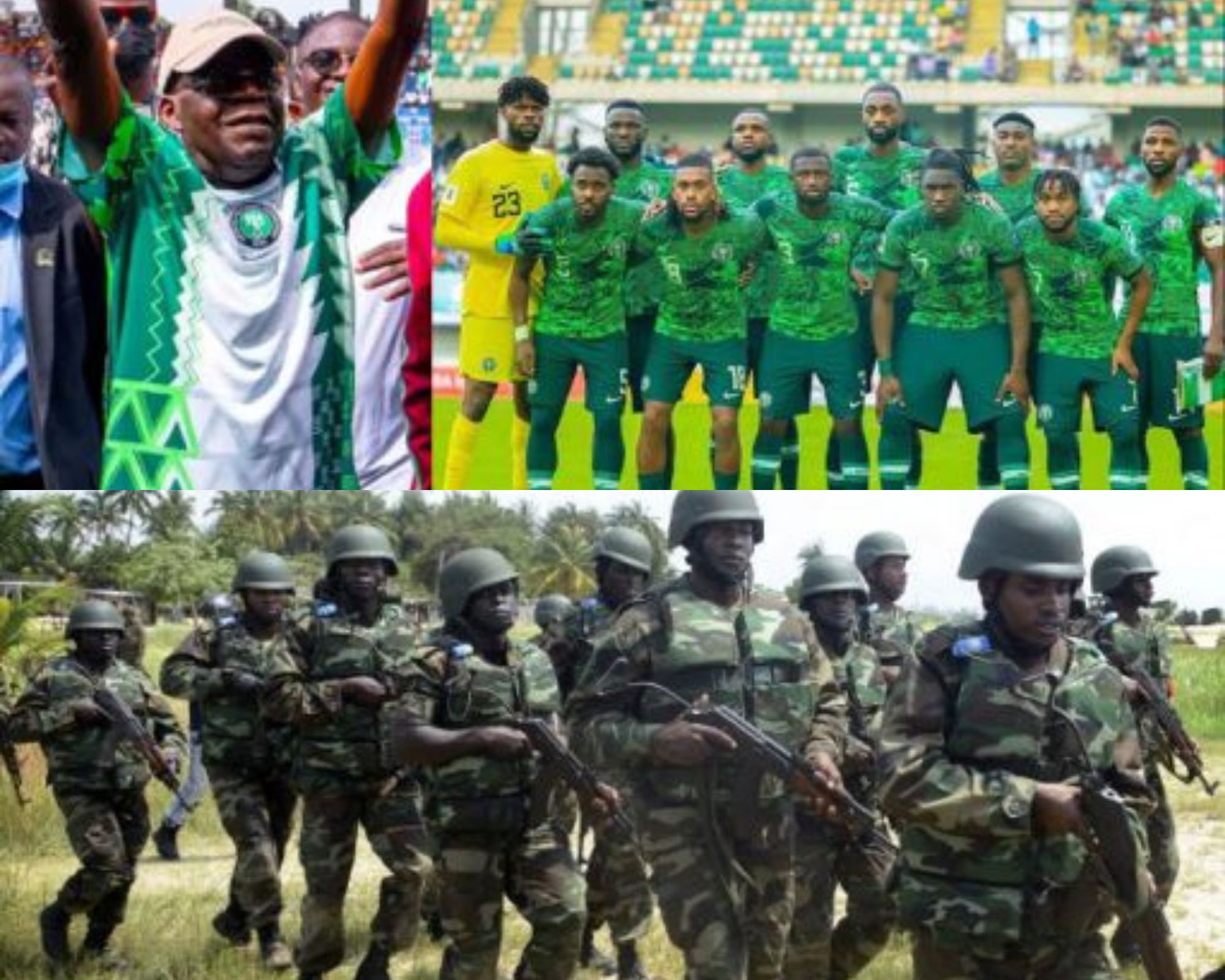
It is no longer news that Nigeria’s senior football team, the Super Eagles, had a spectacular outing at the just concluded AFCON 24 held in Cote d’Ivoire. Even though they did not bring home the trophy, their superlative performance that saw them reach the finals was not lost on Nigerians.

The emotions, passions, high hopes, and dashed hopes that attended that tournament, which even culminated in the deaths of not less than five Nigerians, could be an interesting topic, but that is not the crux of this intervention.

Recall that upon returning to the country after the AFCON finals, the crest-fallen Super Eagles and their coaching crew promptly proceeded to Abuja for a presidential handshake. The presidential reception took place in the main executive conference room within the bowels of the Aso Rock Presidential Villa: They were received by President Bola Tinubu.

At the event, the visibly excited President was grinning from ear to ear, apparently reminiscing about the footballing heroics showcased at the tournament by the lads. He followed up with symbolic handshakes and posed for photographs with each member of the team. But President Tinubu did not stop with the broad smiles and handshakes. He had a lot of pleasant surprises for the team.

First, he decorated each player with the national award of Member of The Order of The Niger (MON). He then proceeded to announce the donation of a flat and a plot of land to each of them. To assure the Eagles that the land donation was not an audio donation, the FCT Minister, Nyesom Wike, immediately distributed forms for land allocation to each of the players at the yet-to-be disclosed location. It was then the turn of the Eagles to grin from ear to ear…

The above scenario was only ‘rinsed and repeated’ by President Tinubu. It didn’t start with him. In fact, such an impulsive gush of goodwill has always been our way of receiving and rewarding our sporting men and women whenever they come back home after a spectacular performance in a competition, especially a soccer tournament.

Make no mistake about it, Nigerians love the game of football. They are so passionate about it, especially when the national team is playing, that not a few would give up the ghost watching the game.

Apart from the frenzied passion it evokes in Nigerians, politicians have identified soccer as one thing that has the capacity to foster momentary unity among Nigerians of all divides. And so, the ritual of organising presidential receptions for and handsomely rewarding the athletes has long been ingrained in our consciousness. Let us also not forget that the national teams are religiously paid their appearance fees and match bonuses (in thousands of dollars), each time they are on national assignment. In fact, no sports minister or government of the day can withstand the backlash that will follow any delay in paying those humongous allowances. Why not; The Super Eagles, their junior teams, or female counterparts, it is believed, bring joy to Nigerians and foster momentary unity for the country.

Now, compare or contrast the above scenario with the fate of another set of patriots rendering different services to the country. Think of the members of the Nigerian Armed Forces, whose own brief is to defend Nigeria and Nigerians from external aggression and internal insurrection.

A noble profession that demands from the personnel the payment of the supreme sacrifice, if the need be, the military is not in the business of entertaining or providing momentary happiness; the troops are rather daily on the harm’s way taking bullets on our behalf.

As the country is currently assailed on all fronts by multiple security challenges, the troops of the Nigerian military have their boots on the ground, steel on the seas, and eyes in the sky, not only to ward off adversaries but to obliterate them. At the end of the day, they don’t come home with trophies or medals; they do more than that: they stay awake while we sleep, they take bullets on our behalf, and they keep at bay, those who want to destroy us. In spite of all these, the troops remain unappreciated, unrecognized, uncelebrated and unsung; there are no presidential handshakes, no special bonuses and no rewards…

A distraught soldier captured the irony most succinctly in his post on X after watching the recent Presidential reception of the Super Eagles; he wrote: “Even Ahmed Musa wey no kick ball once for AFCON follow collect flat, land, and MON. Wonderful times. Yet as a soldier, I stayed in the North East fighting Boko Haram for four years plus; I was shot and I am still carrying the bullet in me till date, not even a medal from the Army/Nigerian Government”.

Of course, the soldier’s lamentation stirred some emotions in Nigerians who read the post, but whether their condemnation of our reward system was enough to provoke a change of heart in high places is yet to be seen.

The point really is that, whether or not we appreciate their sacrifice or celebrate their gallantry, the Nigerian Armed Forces have continued to prove their worth as an indispensable symbol of national unity and strength. Their commitment to stamping out terrorism, banditry, kidnapping, and other violent crimes confronting the country and the sub-region is indubitable. Working in synergy with other security agencies, the military has been able to stop the very formidable international terrorist organizations like Boko Haram and ISWAP in their tracks, contain attacks on our maritime assets, and rein in every other violent crime in the country.

As a professional, hard-fighting, and globally respected force, the Nigerian military have restored democracies, brought peace to troubled lands, stabilized the West African sub-region, and promoted world peace through its excellent participation in peacekeeping and peace support operations across the world. It has continued to occupy its glorious position in the comity of global defence forces on account of its steadfastness, unwavering commitment, ruggedness, and sacrifice.

No matter how you look at it, the Nigerian military has done well, and the gallantry of its troops deserves far more than we are ready to acknowledge or celebrate.

But the anomaly in our reward system is found not only in presidential handshakes. It is now a part of our national character that speaks volumes about the values we prioritize. A story was told of a young lady who came out with First Class and as Best Graduating Student in Medicine and Surgery of a Nigerian university. In recognition of her academic feat, she was rewarded with a cash sum of N5,000 by the university. In the same month she graduated, a certain lady won the first prize of N100m in Big Brother Naija, a TV reality show. What did she do to win such a huge amount? She paraded almost naked on live television for ninety days, doing nothing other than eat ravenously, dance provocatively, and exchange lewed languages with her fellow housemates. Today, nobody remembers the brilliant doctor, but the nudist is still galivanting around as a celebrity with an armed policeman as her bodyguard. Now, if this is not painfully ironical, I don’t know what is.

It is therefore my contention that our dear country should, as a matter of urgency, review our reward system. How about standardizing our reward system such that any Nigerian who distinguishes himself or herself with conduct or accomplishment that brings honour to the country would be honored and celebrated?

How about recognizing and celebrating the gallantry, sacrifice, and exceptional heroic feats of our gallant troops? Can we begin today?

Chidi Omeje is the Editor, Zagazola Media Network

Hunger Protests: Igbo silence is a protest (A reply to Prof Usman Yusuf)

By Law Mefor

A few days ago, Ndigbo came under fire from Professor Usman Yusuf, the former Executive Secretary of the National Health Insurance Scheme (NHIS), for their perceived lack of interest in the ongoing nationally spreading hunger protests and strikes. He said: “I honestly don’t know why the South East is quiet, uncharacteristically quiet. But the President needs to find out.”

Normally, one would disregard and deny additional visibility to a professor whose only contribution to national progress is Fulani supremacism for such an insulting and inflammatory tirade. However, it is a professor who has shaped the opinion of his divide and has led a significant federal agency. He has equally assumed the role of a sort of northern star and advocate. What he said about the Igbo ethnic group is not statesmanlike.

In response to a disaster that was long foretold, Ndigbo are silently protesting as should, perhaps more than those who have come to the streets, despite what Professor Usman Yusuf claims. A person cries till they are unable to make any more sound. That is what has happened to Ndigbo ever since Nigeria began to put its knee on the neck of Ndigbo, following the civil war between Nigeria and Biafra.

Professor Yusuf is aware that both government policies and elections have repercussions. A well-known political economist, Thomas R. Dye, has stated that “Public policy is whatever governments choose to do or not to do”. The disaster that soon befell Nigeria when Tinubu took office as President is a replay of past events, which began when Buhari took office and institutionalised sectionalism and nepotism with people like Professor Yusuf goading him. That was how mediocrity ended up being the guiding principle in Nigeria.

When Buhari ran Nigeria for a section of the country, Prof Usman Yusuf was in Nigeria and said nothing. Of course, He was appointed the executive secretary / chief executive officer of the National Health Insurance Scheme (NHIS) in August 2016 by Muhammadu Buhari and it is un-African to talk while eating. So, don’t blame the cultured professor! He understandably failed to perceive any issue when the Buhari administration permitted bandits to enter Nigeria in an attempt to settle an ethnic group that had become stranded. Today, the bandits and terrorists have seized control of the country’s forests. Free reign and encouragement were also provided to killer herdsmen so they could go on a murderous rampage, pillage, and displace communities. No word from people like Professor Yusuf.

Under their watch, Buhari brought the nation to its knees, amassing N77 trillion in debts—among them, an unprecedented N23 trillion in “ways and means” borrowed from the CBN without the National Assembly’s prior approval. The Buhari administration even pledged Nigeria’s future oil production as collateral for the careless loans it took, so the country will only receive a portion of the proceeds from oil sales today—a large portion of which is also going to private individuals’ pockets.

When Asiwaju Bola Ahmed Tinubu took office as Nigeria’s president, he discovered an empty treasury. But instead of pursuing those who had bankrupted the country, he chose to visit the ensuing sufferings of the hapless Nigerian masses.

Carelessly introducing currency flotation and fuel subsidy removal, Tinubu unleashed two major negative economic headwinds that have severely damaged Nigeria’s economy and inflicted unheard-of agony on the country’s already beleaguered populace.

The ensuing suffering against which the populace is revolting was foreseeable and avoidable. The twin anti-people economic policies will not in any way help the economy even in the long run. Naira lacks any solid foundation to go into the contest with market forces, with no significant exports or economic output to increase domestic production and shore up exports.

As said, terrorists and bandits have taken over the farmlands and driven farmers off their lands. Given the country’s low production and export levels, one may wonder what guarantees the naira flotation programme was based on. In the absence of such preconditions, those who advised the naira floatation policy are nothing but agents of the Bretton Woods Institutions – IMF and World Bank.

Since the country doesn’t progressively acquire foreign exchange through export to base such a policy, why is anybody astonished that the naira’s value is disappearing against the dollar? Given that there is no foundation for the policy that even sophisticated economies don’t try, why try it in Third World Nigeria?

Reducing fuel smuggling to nearby countries is one of the motivations behind the withdrawal of fuel subsidies. However, as the value of the naira rapidly declines, the currencies of most of the West African nations have surpassed the naira, making the cross-border smuggling of fuel and grains even more profitable today. Therefore, the losses from the naira flotation, which has driven the value of the dollar to almost N2000 in just six months, also shattered the hope of stopping fuel smuggling from Nigeria contrary to the unfounded predictions.

Rewind to Professor Usman Yusuf’s complaint against his perceived Igbo people’s lack of interest in their country’s self-inflicted economic woes. The Igbo people are accustomed to hardship and privation. Igbo marginalisation is structural and constitutional, as Ohanaeze pointed out. Professor Usman Yusuf is aware that the South East is the only region in the country with only five states (the North West, to which the learned professor belongs, has seven states, but that’s good with him).

In addition, the South East has a shortfall of over 80 LGs in comparison to other zones. Yet, federal allocations, enrollment in educational institutions, appointment and recruitments for federal government positions, and more are entirely based on the number of States and LGs.

Prof is aware that Ndigbo have endured suffering as a result of the country’s successive governments’ discriminatory policies, and that they have bemoaned for social justice and relief since the Nigeria-Biafra war, to no effect. During the war starvation and hunger were used as a war strategy against Biafrans and Ndigbo. When the genocidal war ostensibly ended, only a select few who could demonstrate that they had bank deposits in a certain bank before the war were offered a paltry twenty pounds.

The effect was that more than 90% of the surviving Igbo people had nothing to start over after the war if they had no proof of bank accounts before the war or had no documentation of the same. Since the war, Ndigbo have continued to feel like an endangered species in Nigeria and Professor Usman Yusuf knows.

The horrific experiences that Ndigbo had both during and after the war are what made the current hunger crisis seem insignificant. They have seen worse. It’s not like things are not rough in Igbo land. Perhaps much more so than in some other zones in the country, where suffering is believed to be rife. However, the truth is that since the war, the Igbo people can bear pains to any degree. That’s the point Professor Yusuf overlooked.

It is equally important to point out that palliative protests are not the solution. The professor ought to utilise his influence to get the Tinubu administration to undo the two misguided policies—the naira flotation and the removal of subsidies. The government needs to institute a strategy to do away with fuel subsidy that will last at least two years. Additionally, the professor ought to inform President Tinubu that the naira will not profitably float even in a decade without export and productivity. If not, the dollar will hit N5,000 within the Tinubu administration at the rate of the plunge.

Prominent figures such as Professor Yusuf ought to urge the government to abandon its delusional assertion that hardship protests are sponsored by the opposition who lost the election. Citizens are aware that to reinforce the false impression that there are no food crises in the land, the government will soon begin funding counter-protests, even in the South East. Tell the government, however, that the rain is only getting started. There won’t be somewhere to flee when it will pour, as it hasn’t started yet.

According to an Igbo proverb, a person who is unaware of the location of where the rain began to fall will never know where they sought cover. Nigeria needs to reject IMF economic prescriptions aimed at trapping the largest African economy in debt to maintain the continent’s status as a rentier economy and supplier of raw materials to the West. Rather than advocating for only palliative measures that aid in consumption rather than production, one hopes the professor will support the spread of this viewpoint as well before it is an eclipse.

Should these actions not be implemented expeditiously soon enough, Ndigbo will persist in their quiet form of protest—the “Sidon Look” model—which Professor Usman Yusuf is needlessly protesting. They are still watching the systematic destruction of their zone and livelihoods, typical of which is the crippling of the Ibeto Cement by the Buhari government, to pave the way for monopoly, which partly accounts for today’s hardships and protests.

Dr. Law Mefor, an Abuja-based forensic and social psychologist, is a fellow of The Abuja School of Social and Political Thoughts; [email protected]; Twitter: @Drlawsonmefor

[Just in] Kemi Nandap is the new Immigration boss

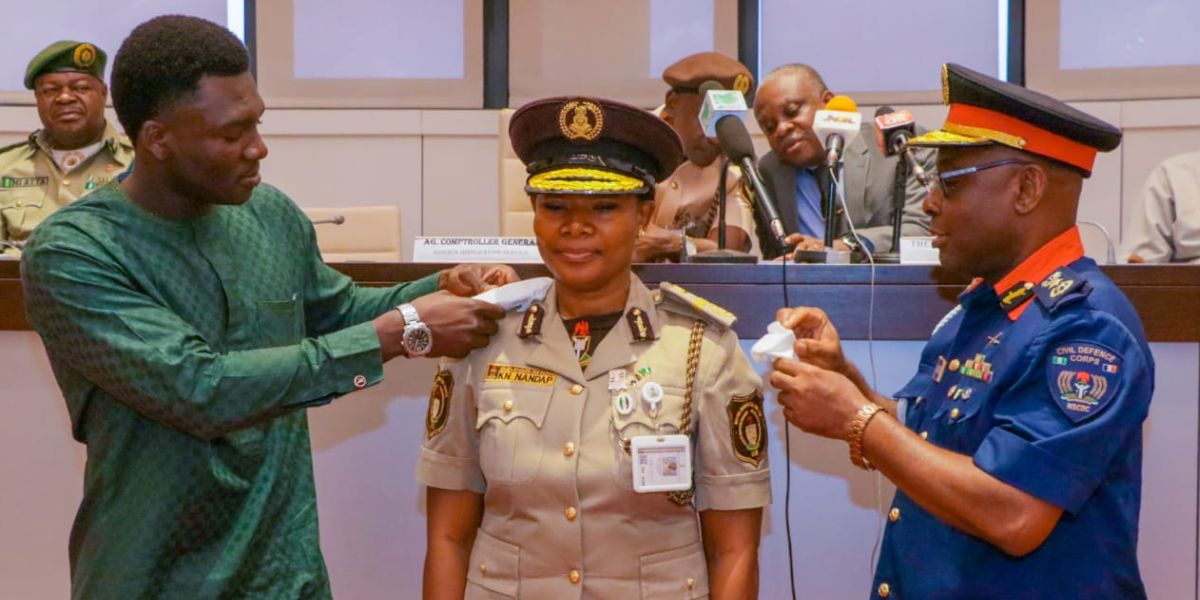
President Bola Tinubu has approved the appointment of DCG Kemi Nanna Nandap to serve as the Comptroller-General of the Nigeria Immigration Service.

Nandap’s appointment would take effect from March 1, 2024, according to a statement on Wednesday by the Special Adviser to the President on Media and Publicity, Ajuri Ngelale,

Nandap takes over from Mrs. Caroline Wura-Ola Adepoju, whose term in office expires on February 29, 2024.

Before she was appointed Comptroller-General, Nandap was the Deputy Comptroller-General in charge of the Migration Directorate of the Service.

“The President anticipates that the new Comptroller-General will deepen the ongoing reforms in the service and create a robust mechanism for efficient and dedicated service delivery to Nigerians, as well as strengthen the nation’s security through proactive and effective border security and migration management,” the statement said.

Tinubu had in December 2023 approved the appointment of Adepoju Wura-Ola as the substantive Comptroller-General of the NIS.

Wura-Ola was before the approval serving in acting capacity since June 1, 2023.

Until her appointment, she was the Deputy Comptroller General in charge of the Finance and Account Directorate.

“As an NIS officer, CGI Wura-Olu, attended some trainings, including; Immigration Training School Kano, Immigration Command, and Staff College Sokoto, National Institute for Security Studies Lower Usman Dam Bwari, Abuja, and Emotional Intelligence and Transformation Leadership.

She is also a fellow of the Pass Command Course, a fellow Security Institute of Nigeria, and a Member Law Society of Upper Canada. She is happily married with children,” a statement by the Secretary of the Civil Defence, Fire, Immigration and Prisons Services Board Civil Board, Ja’afaru Ahmed, said.

The unique 4 behind treaty to protect citizenship rights and end statelessness in Africa

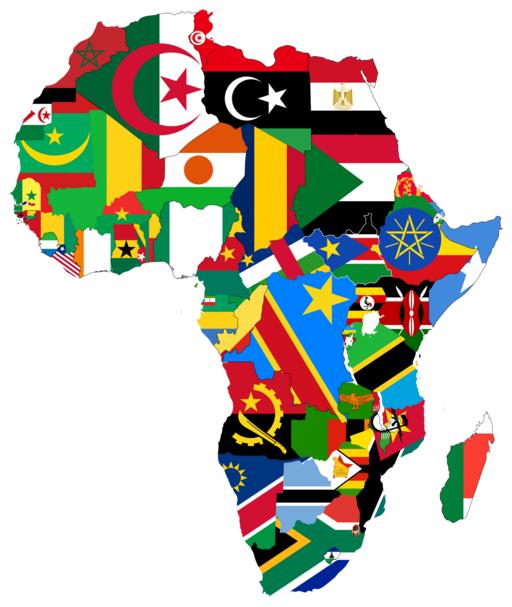
Last Sunday in Addis Ababa, Ethiopia, the Assembly of Heads of State and Government of the African Union saw off the last sovereign objections from Libya & voted to adopt a new treaty Relating to the Specific Aspects to the Right to a #Nationality and the Eradication of #StatelessnessInAfrica.

Today, I want to remember 4 people who taught me a lot; who have completed their earthly tours of duty and without whom this landmark would not have been possible. Born around 1936 of a mother from the Cape and a Dad from among Botswana’s Bangwaketse, #JohnModise was stripped of his Botswana nationality and rendered stateless because of his inconvenient politics.

I represented John in the case that established nationality as an implicit right in the #AfricanCharter on Human & Peoples’ Rights. #TajudeenAbdulraheem was the 1st #RhodesScholar from Northern Nigeria & Secretary of the Global Pan-African Movement when he was killed tragically in an accident in Nairobi on 25 May 2009. I got to visit John in the ruins of what used to be his home in Lobatse, #Botswana & he taught me in an intimate way what can happen when #Statelessness visits anyone, insisting that we all do something to ensure no one has to suffer anywhere in #Africa the ruin he endured.

Tajudeen was an expert in building unusual partnerships & made me believe that the political coalition existed to do something about #StatelessnessInAfrica. In 2007, with the initial support of #Uganda, we launched the case for a continental treaty to protect the right to a Nationality & prohibit statelessness in Africa. John was already dead. Uganda’s role was made possible by Gen. #NobleMayombo, a professional guerilla, Yoweri Museveni‘s former Chief of Military Intelligence & 1 of the most talented strategists I worked with. 2 months after we launched the campaign, Gen. Mayombo was killed, poisoned in a power struggle. Dismas Nkunda of the Int’l Refugee Rights Initiative, #IRRI was on the team. With Tajudeen & Dismas, we formulated the case but needed help to make it. I did the initial draft of the treaty text. Bronwen Manby, the world’s greatest Anorak on comparative nationality laws in #Africa took it from there, polishing off the negotiating text. Ibrahima Kane was our advocate in the halls of the #AU through the 8 sessions of the treaty negotiations. He locked in Uganda.

To make the case, we needed Trevor Ncube, publisher of Mail & Guardian, himself a victim of de-nationalization in his native Zimbabwe was willing. As we Jenerali Ulimwengu of Habari Media in Tanzania who also had a telling personal encounter with statelessness. From Kampala, Dismas & I headed to Zambia. At his home in Lusaka, we briefed #KennethKaunda, Zambia’s founding president. He helped us lock in Zambia. This treaty owes everything to KK, Mayombo, Tajudeen & John Modise. Here’s how it began https://lnkd.in/eF9MC9gB

Read also: At last a treaty to protect citizenship rights and end statelessness in Africa

It is no longer easily determinable which square kilometre of the Nigerian territory is under the authority of the Federal Government —NBA President to Tinubu

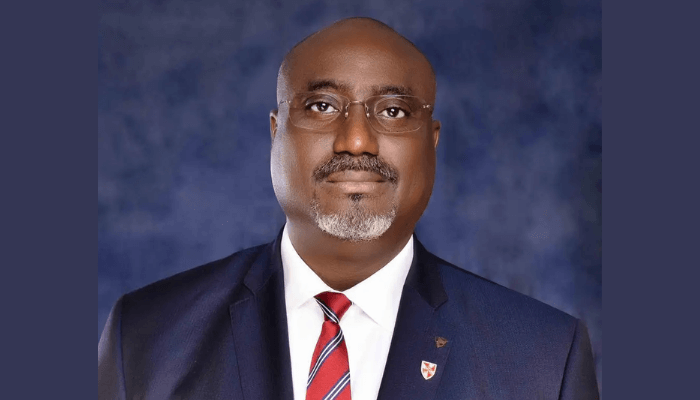
The President of the Nigerian Bar Association (NBA), Mr. Yakubu Chonoko Maikyau, has called on President Bola Ahmed Tinubu, to “demonstrable commitment to prioritize the security of the lives and properties of Nigerians.”

Maikyau in the letter observed that “It is no longer easily determinable, if not impossible, which square kilometre of the Nigerian territory is under the authority or control of the Federal Government of Nigeria” adding that it is a apathetic situation which has caused many Nigerians to lose “confidence in the ability of the Federal Government to deal with the security situation in Nigeria.”

He then called on President Bola Ahmed Tinubu to “show demonstrable commitment to prioritize the security of the lives and properties of Nigerians as already committed by him.”

The Senior Advocate further stated thus: “Government, through our Armed Forces and other security agencies, must ensure that no square inch of the Nigerian territory is left ungoverned; no part of Nigeria should be left under the control of criminal elements by whatever name so called.”

Mr. Maikyau also recommended that the government must make deliberate efforts “to inform and engage Nigerians about what is being done (as security protocol may allow) to secure the nation.” 

On the state of the economy, the NBA President in his letter stated that the “Nigerian Economy is dwindling; value of Naira has been bastardized, prices of foodstuff have skyrocketed, everything negative seems to be on the rise.”

Mr. Maikyau noted that “while this administration may argue that it is only 7 months into office and is not the cause of present-day experience, the fact remains that it is this government that has the responsibility of stemming the negative tide.”

Assessing government’s effort to improve the economy, the NBA President stated that “government posturing appears to be far from this expectation. When for instance, in the face of these challenges and daily experiences of Nigerians, the National Assembly embarks on projects for their personal welfare, involving humongous amounts of money and the requests are indulged by the Executive, that is not a posture that will give Nigerians any hope.”

Mr. Maikyau repeated the NBA’s call for the reform of the justice sector. According to him, “where the judiciary collapses, the nation will plunge into anarchy. The security and existence of any nation is intricately connected to the presence or absence of justice as may be dictated by the judiciary.”

He also acknowledged the commitment of President Tinubu’s administration to the welfare of judicial officers and the independence of the Judiciary, which is reflected in the provision of the sum of N341, 625, 739, 236.00 for the Judiciary in the 2024 Appropriation Act – the highest of its kind.

The NBA President commended the efforts of the Attorney General of the Federation, Prince Lateef O. Fagbemi, SAN, and the Minister of Budget and Economic Planning, Senator Abubakar Atiku Bagudu, CON, for their efforts in this regard.

Read and the download the full text of the letter here.

NBA-LETTER-TO-PRESIDENT-TINUBU

Gunmen seize corpse, demand N50m ransom, hold family members hostage

In a bizarre twist of fate, gunmen suspected to be abductors have seized the corpse of one Israel Ugwuanyi, as well as his family members conveying the dead from Lagos to Enugu State.

Family sources told The Advocate that the gunmen ambushed the corpse and the family members along the 9th Mile Road in Umuoka community, Udi Local Government Area of Enugu, on Sunday, February 18, when the deceased from Ameze Owerre, Umabor community in Nsukka Local Government Area, was being transported home for burial.

The kidnappers, however, contacted the family on Monday morning, demanding a N50 million ransom.

“His corpse was on its way from Lagos yesterday (Sunday) when the vehicle conveying his body was halted by kidnappers, and people in the vehicle alongside the driver were all kidnapped at Umuoka Udi LGA of Enugu State.

“The kidnappers have called the family and demanded a N50 million ransom.

“Our fear is that the corpse will decompose before they release them. We don’t know what to do because our community people in Lagos spent so much money on the sickness of Israel.

“We don’t know what to do because our community people in Lagos spent so much money on the sickness of Israel,” a family source said.

She called on the security agencies and the state government to come to the aid of the people to save those in captivity.

The Police has not made any disclosures on the incident at the time of filing this report.

How a Lagos woman gave birth at a bus stop

A pregnant woman, on Monday, delivered a baby boy on at a popular bus stop in Lagos.

The Permanent Secretary, Lagos State Emergency Management Agency (LASEMA), Dr Olufemi Oke-Osanyintolu, who made this known in a statement, said the mother and the baby were safe and sound.

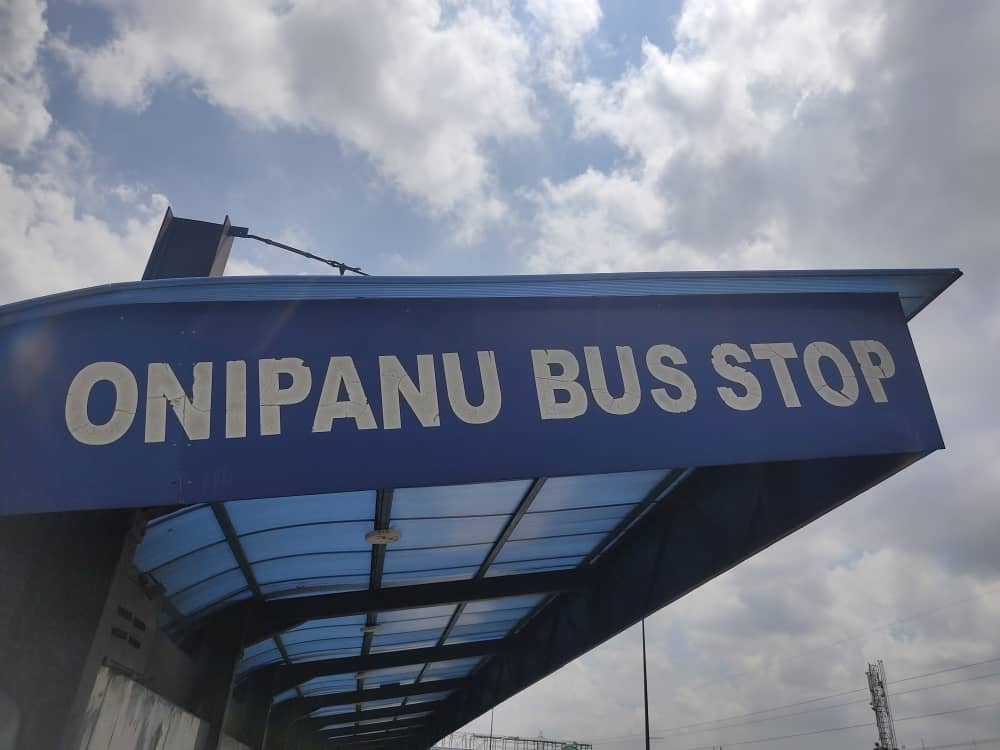
“On February 19, at approximately 9 a.m, the agency’s Emergency Response Team received a distress call from a neighborhood and bystanders at Onipanu Bus Stop.

“The distress call was in respect of a pregnant woman who unexpectedly went into labour at the bus stop while waiting to board a bus.

“The LASEMA Response Team and the agency’s paramedics moved in Swiftly in collaboration with some market women at the bus stop.

“We provided a temporary makeshift shelter in ensuring the safe delivery of the baby and the well-being of the mother,” he said.

He said the woman, whose name was not mentioned, was successfuly delivered of a bouncing baby boy amid jubilation.

“The agency’s officials after stabilising the mother and newborn infant quickly transported them to the nearest hospital for further medical care and attention,” he said

The Ibadan protest against hardship

  • Watch video of the protests as Tinubu’s children urge Nigerians to endure

An Ibadan man accompanied his wife and daughter to the market in search of salt to add to their tasteless pot of soup. That was in March 1881, when the city was besieged by hunger and war. It was a season of famine. The man who accompanied his wife and daughter to the market lost one of them right there, he became ‘wifeless’. What happened? His wife was bartered away to an Egba man by his daughter for a measure of salt! Yes! The daughter exchanged her mother for salt! That was the terrible situation Ibadan was at that time. The economic strangulation of that period took away the most critical ingredient from the people’s table, salt. Ibadan people and those from the adjoining towns and villages prepared their meals without salt and ate what the Yoruba people call àté (tasteless meal). The situation arose because Ibadan was at war with so many of its neighbours such that there were economic blockades against the city. How was the matter resolved? The entire episode and what the Ibadan did can be found in The Rev. Samuel Johnson’s book: “The History of the Yorubas” (556-560).

Ibadan is not just the capital of Oyo State. In the Yoruba political and social configurations, Ibadan is much more than a mere capital of a state. There is something peculiar about the city. In elementary geography, we were taught that Ibadan is the largest city in the West African sub-region. Again, the city of Bashorun Oluyole is more than being the largest city in West Africa. Ibadan is the capital of the Yoruba race. It is a city that every Yoruba man or woman must pay attention to what is happening there. The people of the city salute themselves as “Ibadan Mesiogo.” The simple translation of that praise name is Ibadan people know the answer to every poser; and you cannot get the best of an argument with an Ibadan person. The city has a way of influencing what happens in other Yoruba towns and villages. It is a unique city, a pacesetter of sorts! The old Western Region always waited for Ibadan to act and the others would follow. If Ibadan boils, the entire Yoruba landscape boils. Check out the history of the city, there is no tribe or sub-ethnic group in Yorubaland that is not represented in Ibadan. As a result of the numerous wars and battles, the forebears of Ibadan had fought, won and lost, all tribes, as far as those from Benin Republic, Togo and others, have their kith and kins in Ibadan. It is a city nobody should toil with.

Before the debut of the present political dispensation, Ibadan played significant roles in bringing about democracy. During the era of the expired dark-goggled military tyrant, General Sani Abacha, Ibadan was the city which never allowed the perfidious two-million-man march for Abacha to transmute from a military dictator to a pseudo-civilian president to take place without consequences for the organisers of the shame called solidarity march. The city defends democracy. It also has the capacity to end democracy, when it veers into dictatorship. Ibadan, as the capital of the then Western Region was a study in democracy and fairness. It played that role adequately well in the First Republic. It was also from Ibadan that the beginning of the end of the First Republic started.

A dynamic city, Ibadan never suffers fools gladly. When the First Republic was turning to a one-party state, with brazen political shenanigans being displayed arrogantly by the Northern People’s Congress (NPC) government of the day at the centre, Ibadan responded appropriately. By the time the smoke of the operation wetie cleared, the First Republic was gone! The same feat was repeated in 1983, when the then ruling National Party of Nigeria (NPN) announced its “moon slide” victory at the state gubernatorial elections. The riots that broke out in Ibadan on August 13, 1983, over the governorship election in the old Oyo State (Oyo and Osun now), spread like a harmattan conflagration to the defunct Ondo State (now Ekiti and Ondo States). Barely four months later, the Second Republic died like its predecessor.

Yesterday, Monday, February 19, 2024, Ibadan was in the news again. Very early in the morning, residents of the city trooped out in their thousands in protest against the hardship in the land. It was a “peaceful” protest though; it was nevertheless a pregnant one. The protesters were out on the streets because of the rising cost of living and economic hardship Nigerians are subjected to in the last eight months. The Monday protest by Ibadan residents is significant, especially, to good students of history. Anytime residents of Ibadan are subjected to economic hardship that has the tendency to cut short their lives, they always rise to the occasion. They do this, when, for instance, essential commodities are going out of the reach of the people.

Nigeria is not at war at the moment, but Nigerians have started selling one another to cushion the effects of the present economic hardship. Just as the Ibadan young girl bartered her mother for a measure of salt, mothers have started selling their children to raise money to buy food so as to take care of the remaining children! We are in terrible times. Things are not adding up again. Prices of essential food items have gone out of the reach of the poor. Even the rich are gradually feeling the heat. The tension in the land is palpable. Nigeria is at its combustive end. Nigerians now eat to be alive, and not to be filled and satisfied. Prices of goods, especially food items, are as unpredictable as the weather. The price of a measurement of beans in the morning is no longer the same price in the evening in the same market and by the same seller! The real tough times are here. The pains and agony in the land are real and menacing. A friend said, “The traders are mean and exploitative.” He had more to say: “What has exchange rate got to do with the prices of gaari and plantain?” He asked. I responded by asking what the gaari seller would do anytime she needed to buy a Milo beverage for her child and discovered that the price had tripled from what she paid the last time.

This is elementary Economics. The gaari seller is merely reacting to the pull of market prices. She needs to make profit to be able to buy other items that her household needs for survival. For instance, if the plantain seller has an on-going building project, and he bought a bag of cement at N5,800 mid-January, with the same bag of cement going for N10,000 now, he would probably not sell a bunch of plantain for the same N3,00 he sold it in January. This is why the idea that the government would try to control the prices of food items is laughable. It shows that we have complete novices at the helms of our economic policies. How on earth do you control the prices of what is not yours? Same way the decision to break into storehouses of some businesses, or to seal up some stores as done to Sahad Stores, Abuja, by the Federal Consumer Competition and Protection Commission (FCCPC), remains base. It is a confirmation of the height of cluelessness of those in government at the moment. If you release all the items in all stores and silos in Nigeria today, how long will they last? When they are exhausted, what follows?

Truth be told, this government is like the typical hawk that thinks the man below doesn’t see it. Who in Nigeria does not know that this regime is a heavily transactional administration? Who is not aware that while the poor people are struggling to make ends meet, our new husbands are living in obscene luxury? When you run an absolute transactional government with the meanest of personnel superintending over the golden departments of the State, you cannot but have a catastrophe of the present magnitude. The rate at which Nigerians are being impoverished on hourly basis by this administration, President Bola Ahmed Tinubu may go down in history as the most unfeeling president ever in the history of the country. That, itself, is as sad as it is ungodly!

Nigerians are no fools. I hope the government knows that. They can make comparisons. Nigerians knew that the administration of the People’s Democratic Government (PDP) was bad for them. That was why they voted the party out of power in 2015, after 16 years, and replaced it with the present All Progressives Congress (APC) regime. The people also know that life was much better under the PDP than they have now. Worse still, Nigerians can also see that there seems to be no difference between the eight years of General Muhammadu Buhari’s absent leadership and the eight months of President Tinubu’s bizarre leadership with oddball economic policies! This is becoming too much of a disaster for the people!

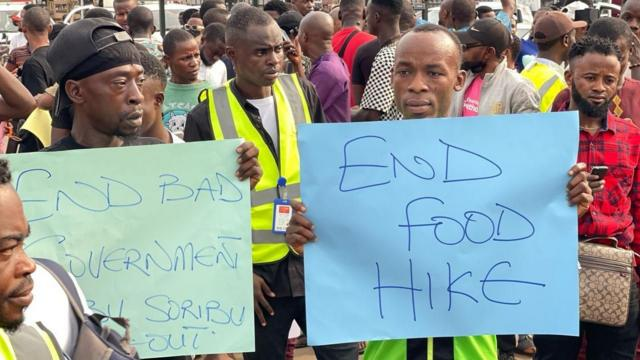
This is why I became agitated when the news flashed that Ibadan residents had joined the fray. Penultimate week, it was in Niger State that women trooped out in protest. Last week, Ota people in Ogun State were also on the streets. I saw the video of the protest. I asked myself what the government was doing to arrest the situation. Midway into this piece, a senior colleague sent yet another disturbing news about the protest that broke out in Otukpo, Benue State, over the high cost of tuition fees at the Federal University of Health Sciences, Otukpo (FUSHO). In Ibadan, the protesters were more direct. One of the placards they carried had the inscription: “Tinubu gooooo”. Some others read: “End food hike and inflation”; “Tinubu don’t forget your promises”; “Give us good health facilities.” I pray President Tinubu will pay attention to these cries by the people. My wish is that the president acts and nips these pockets of protest in the bud lest other cities pick up the baton and what started as isolated protests become a coordinated and simultaneous venture across Nigeria. Ibadan has a way of enhancing democracy; same way it has the capacity of either resetting or unsettling demons and ‘democracy’.

Watch video.

What’s the ‘most important’ thing to you?

By Bob and Debby Gass

‘The most important thing is that I complete my mission.’ Acts 20:24 NCV

The story is told of Major Arthur Godfrey Peuchen, a wealthy Canadian man who survived the Titanic. After it struck the iceberg, he returned to his stateroom and, ignoring cash, jewellery, and other valuable possessions worth around $300,000, grabbed a favourite pearl pin and three oranges. Later, he was reported to have said, ‘The money seemed to be a mere mockery at that time.’ Circumstances transformed his values; tragedy clarified his priorities.

The question is not will your calendar be full, but who will fill it and what will it be filled with? If you’re wise, you will consult God as to your life’s priorities, then keep them before you at all times (see Proverbs 3:6).

In a survey, people over ninety were asked, ‘If you had your life to live over, what would you do differently?’ Three answers constantly emerged:
1) I would spend more time with my family and friends.

2) I would try more things and take more risks.

3) I would give myself to something that would live on after I’m gone.

Petty things steal too much of our time, and we finish up living by the wrong priorities. If you say yes to every request, you will never get around to doing what God has called you to do. Paul had it figured out: ‘The most important thing is that I complete my mission, the work that the Lord Jesus gave me.’

A life in which anything goes is a life in which nothing goes. Your greatest challenge is thinking and doing things that ultimately matter. ‘Oh, that they were wise, that they understood this, that they would consider their latter end!’ (Deuteronomy 32:29 NKJV).

Leviticus 14, Matthew 26:47-75

Originally published by The Word for Today.

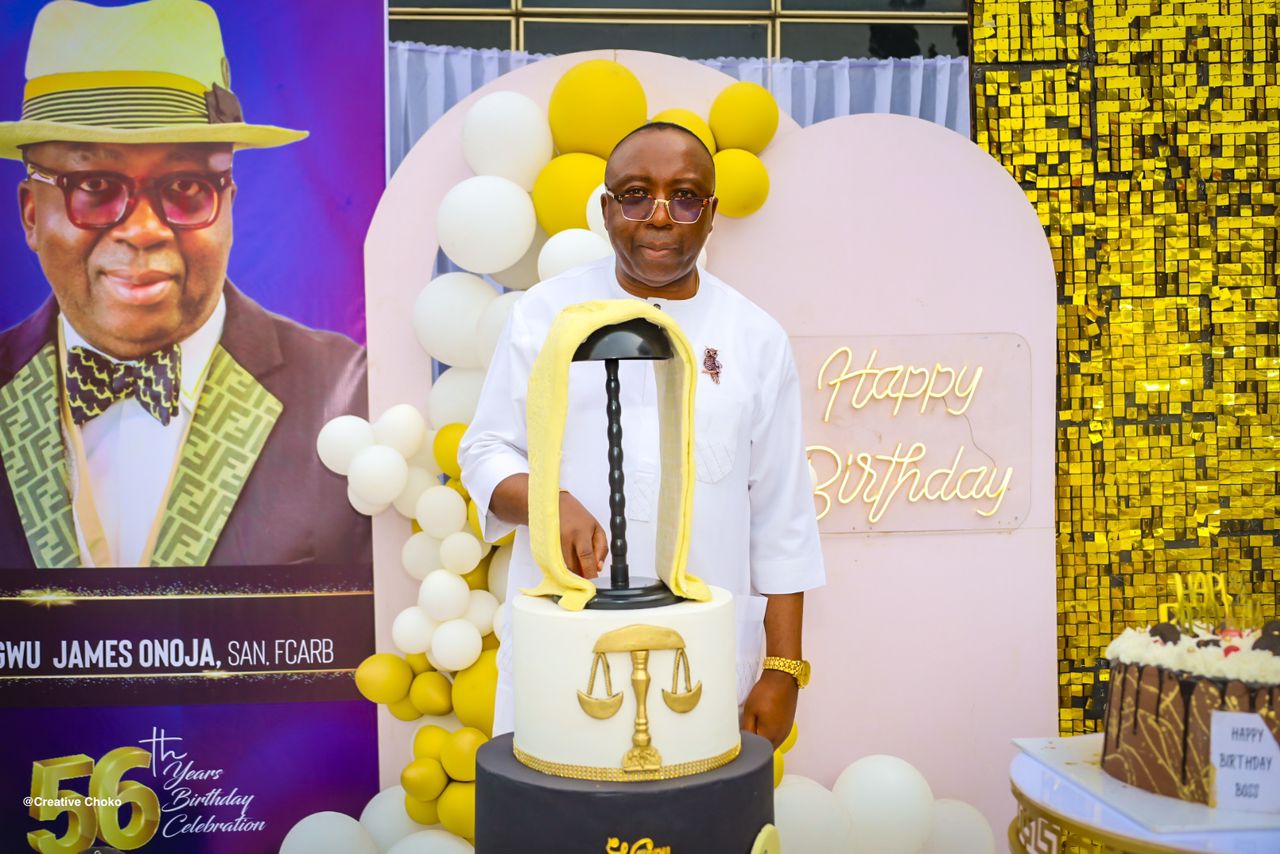
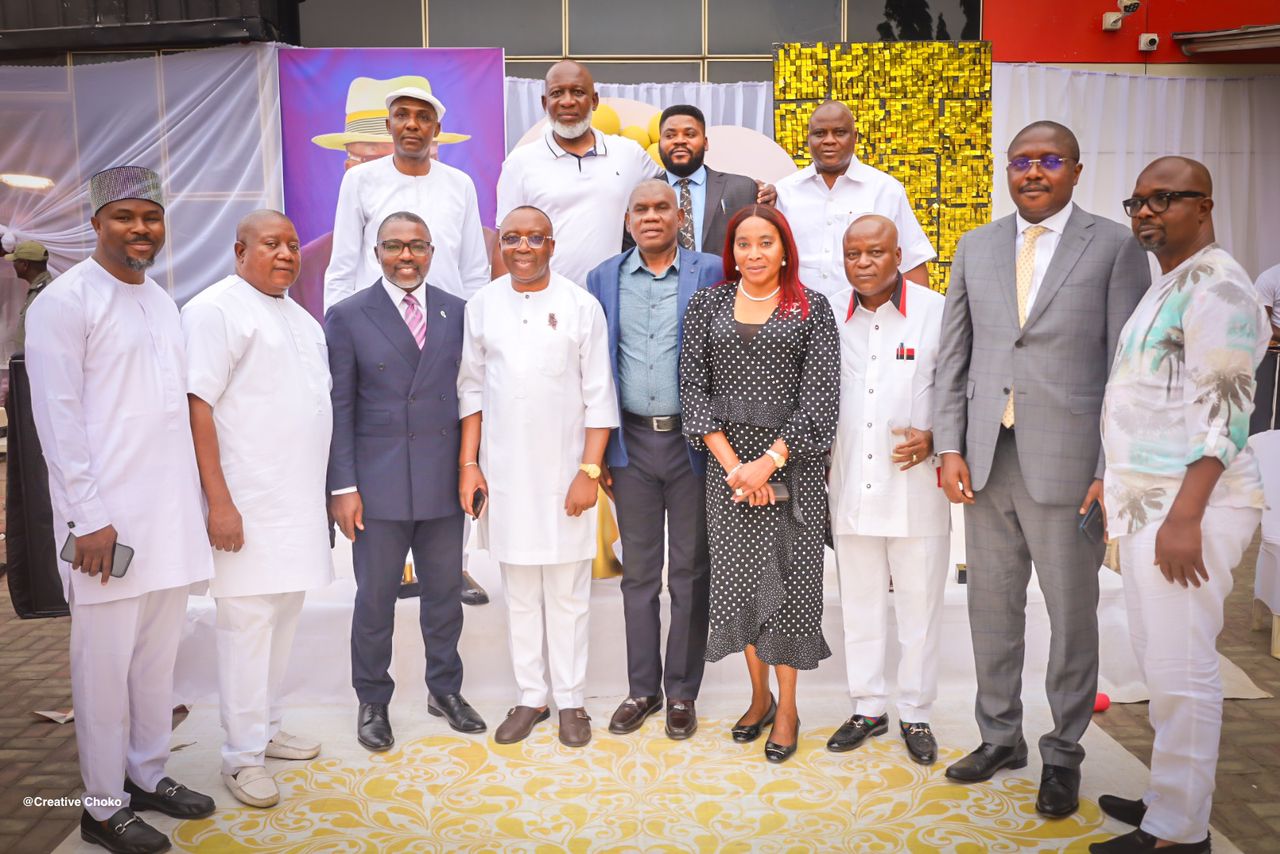
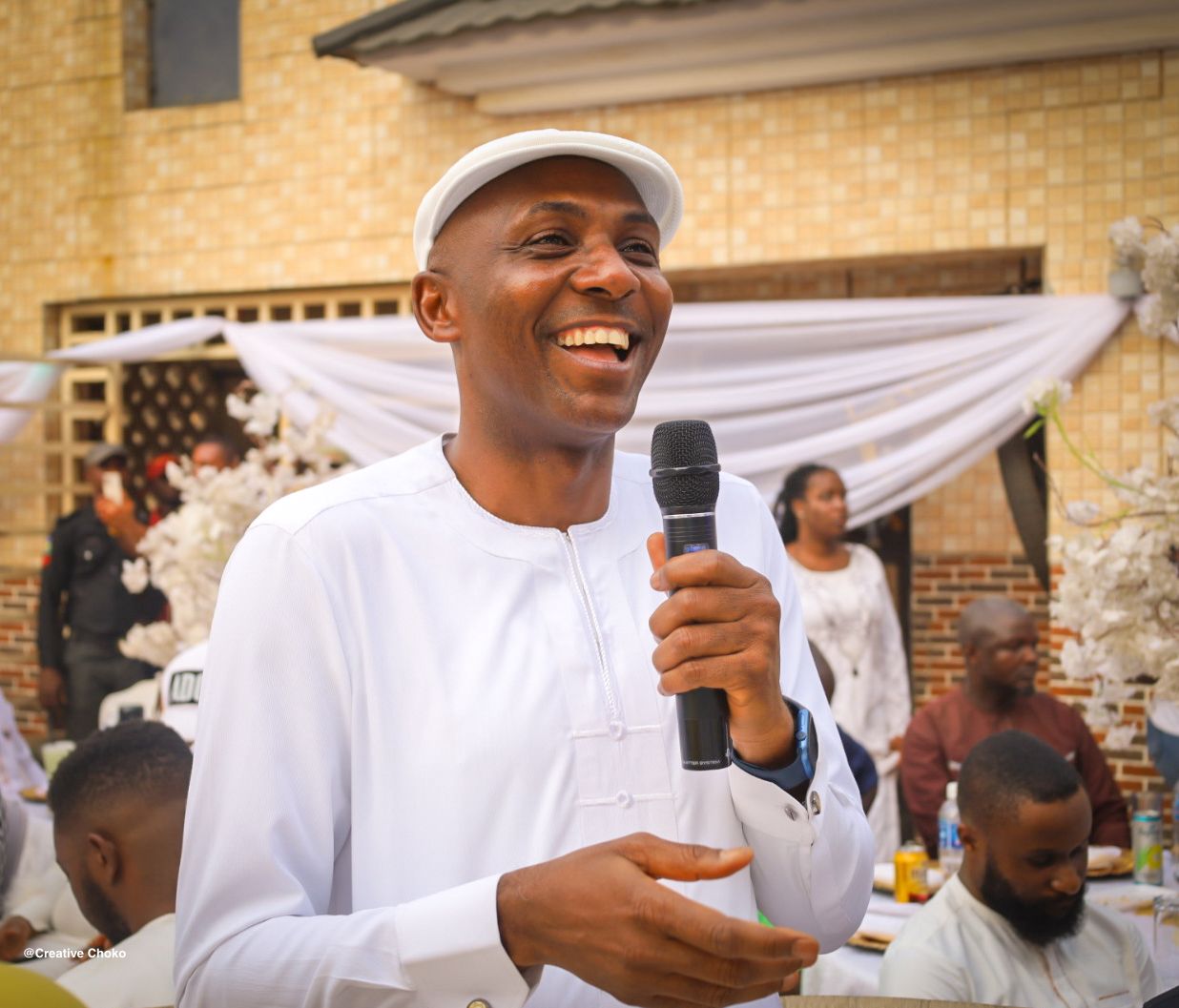
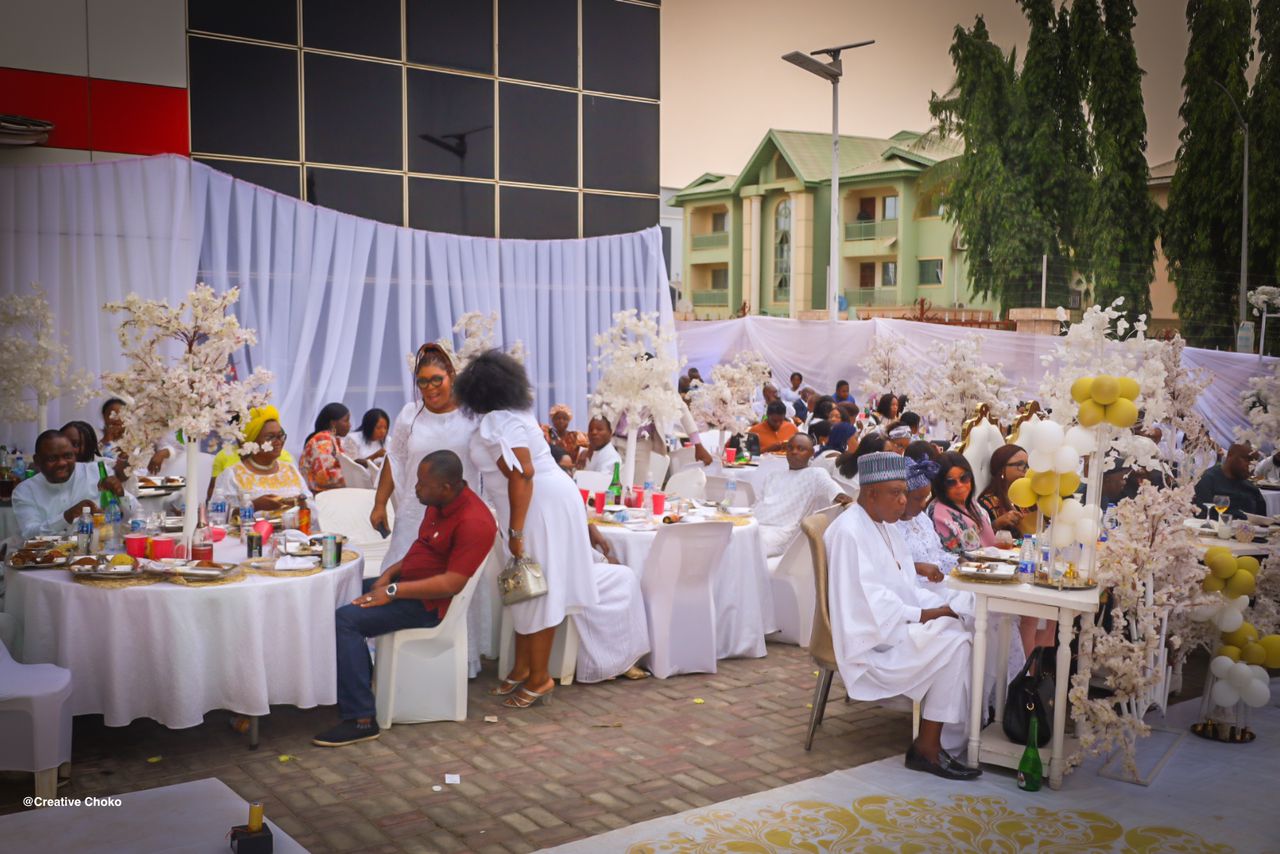
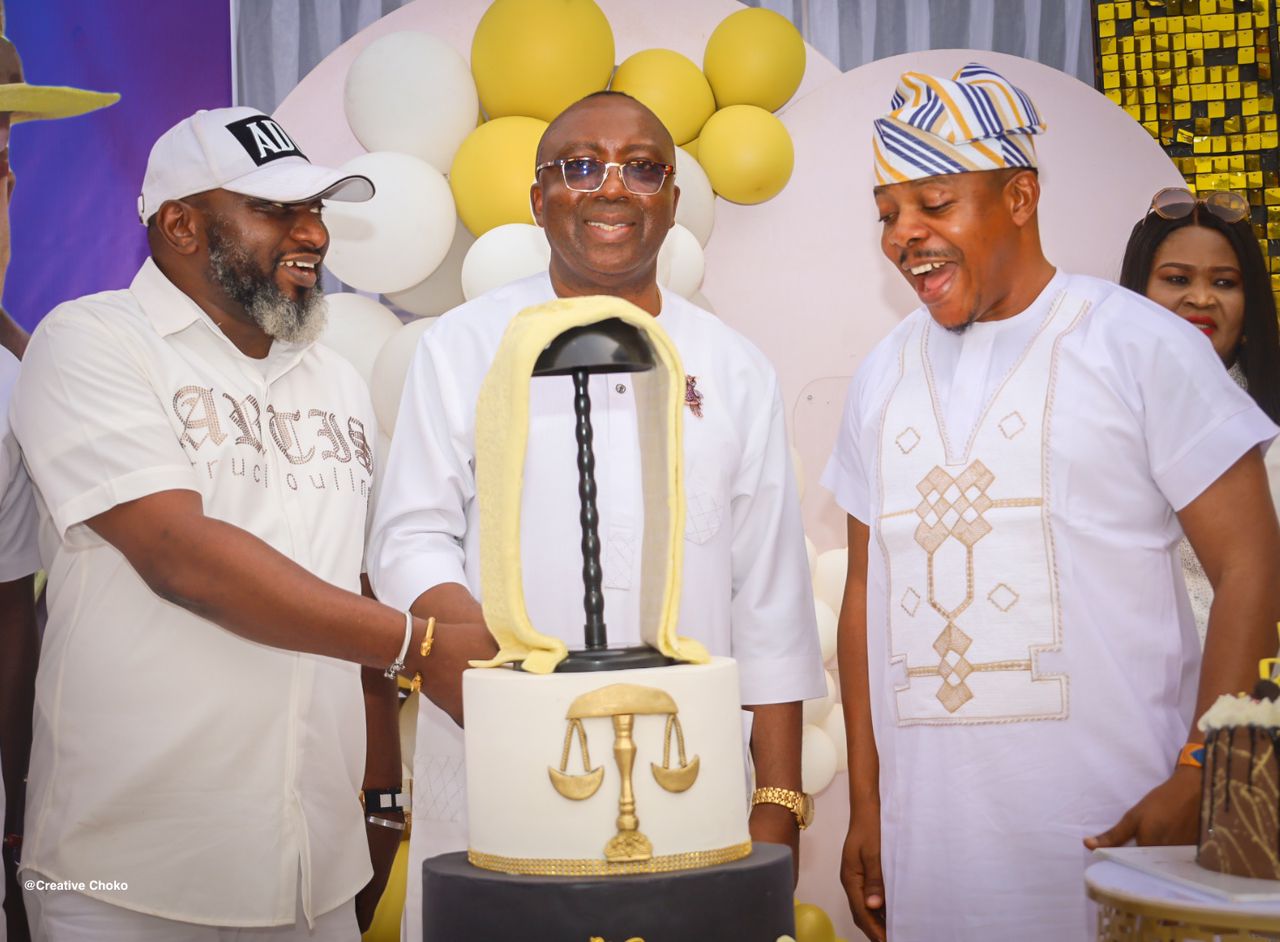
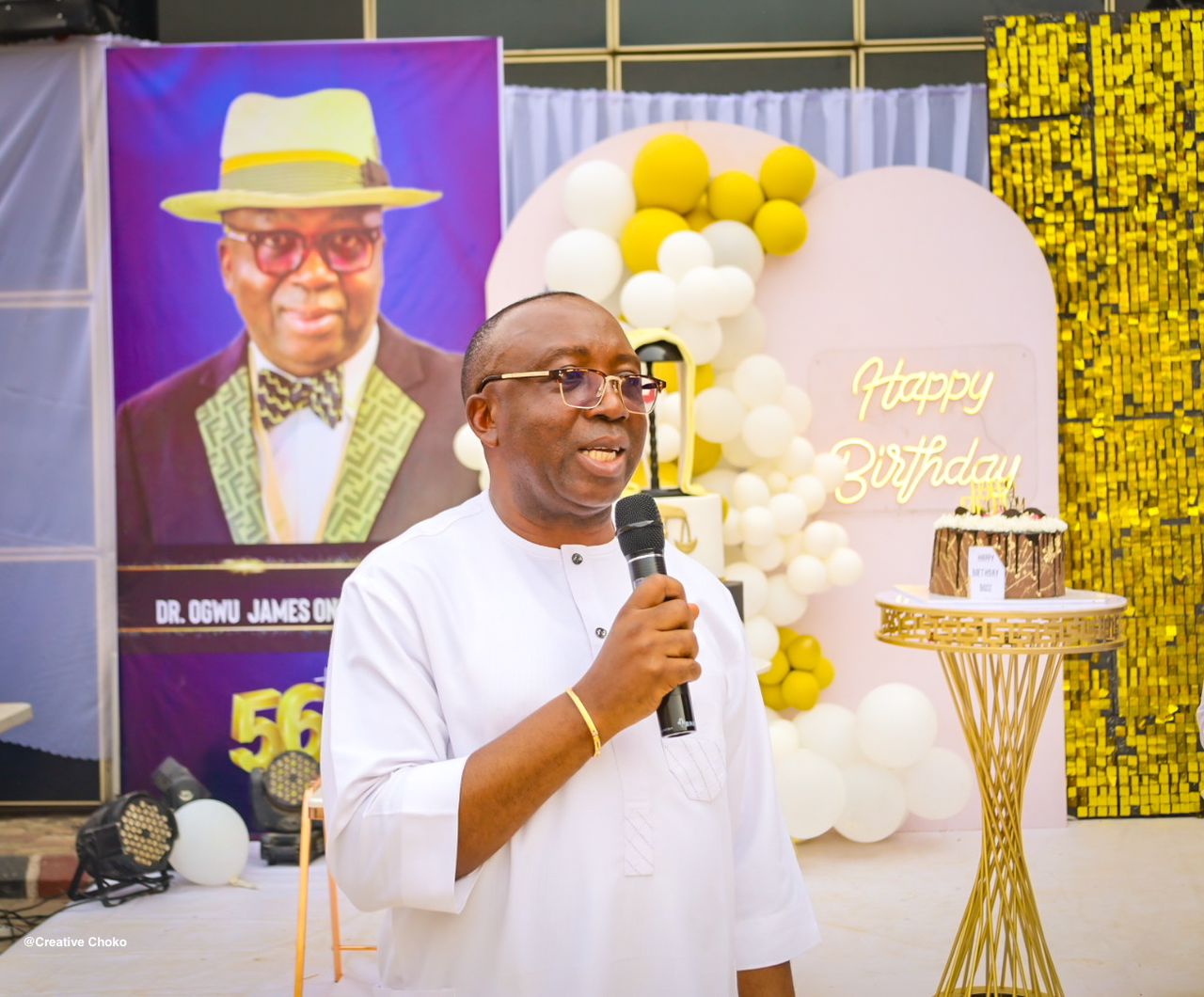
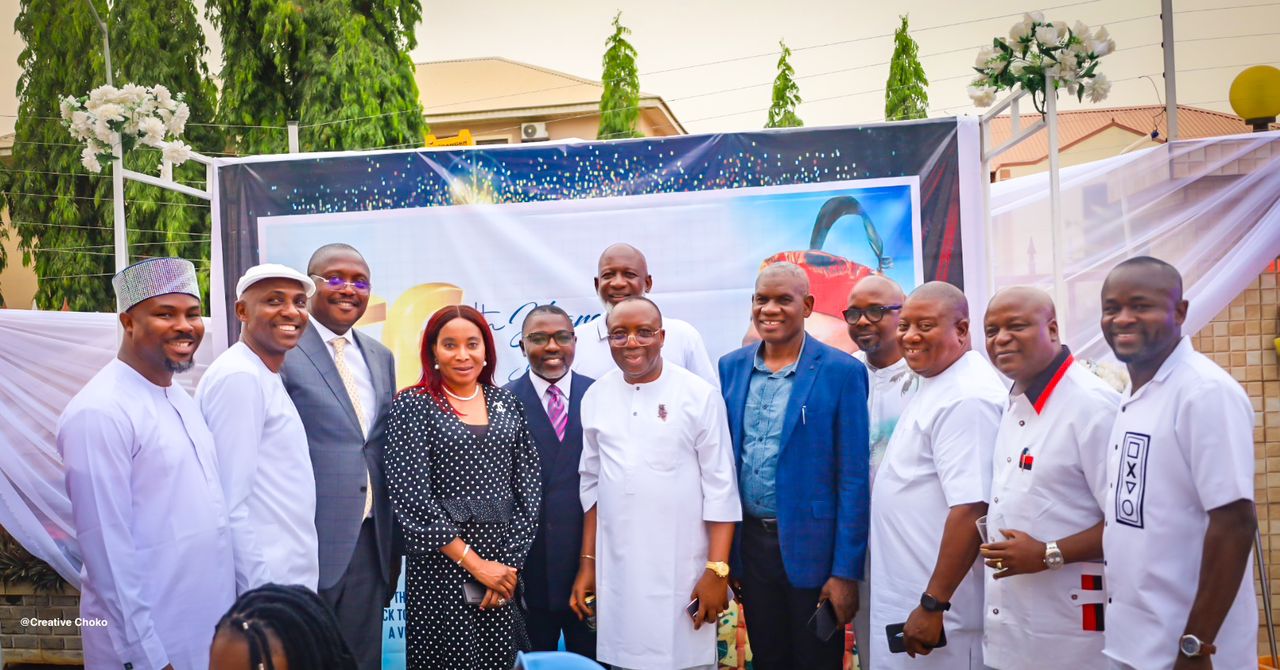
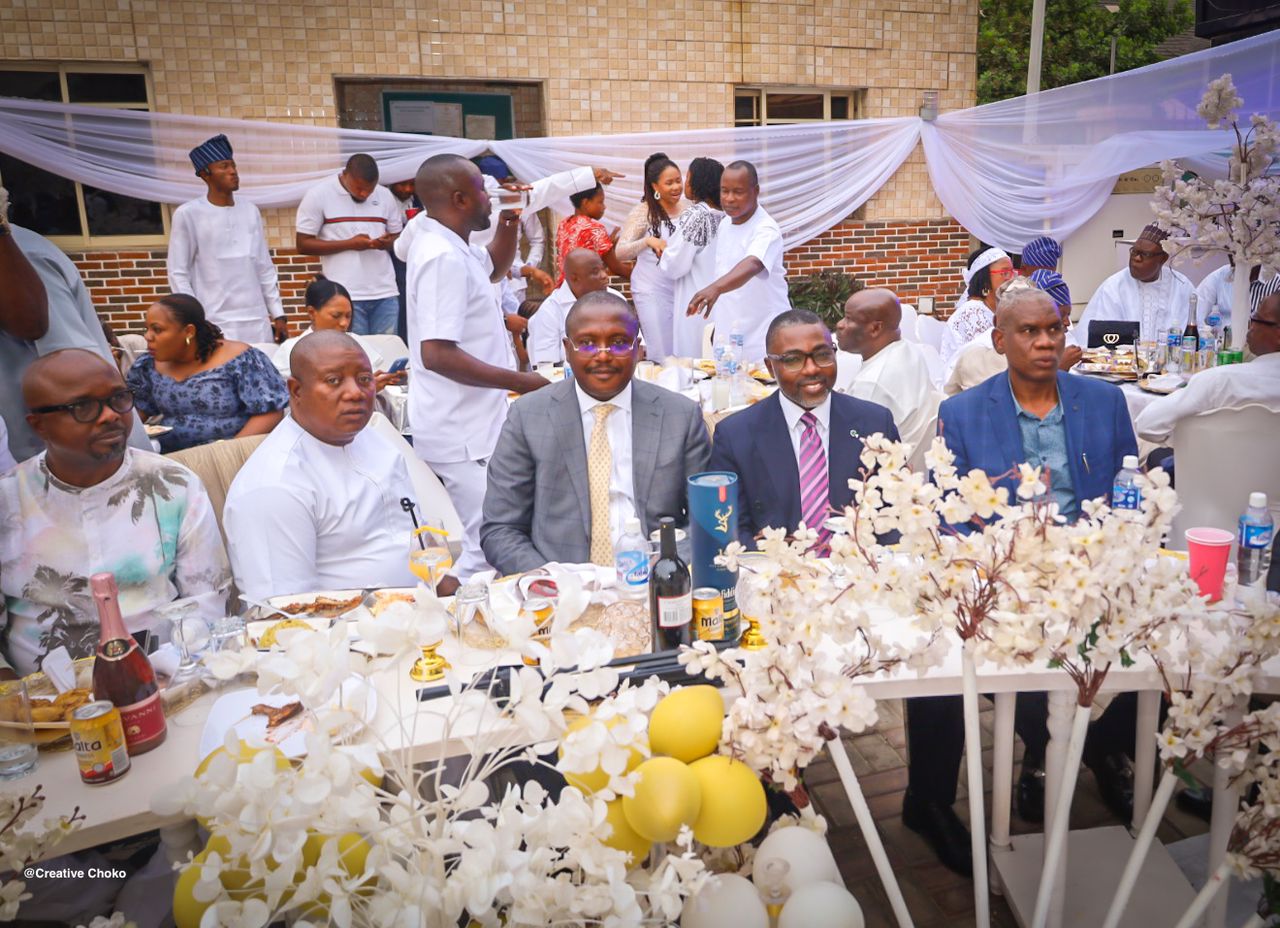
Photo News: See and Be seen at Onoja, SAN’s 56th birthday

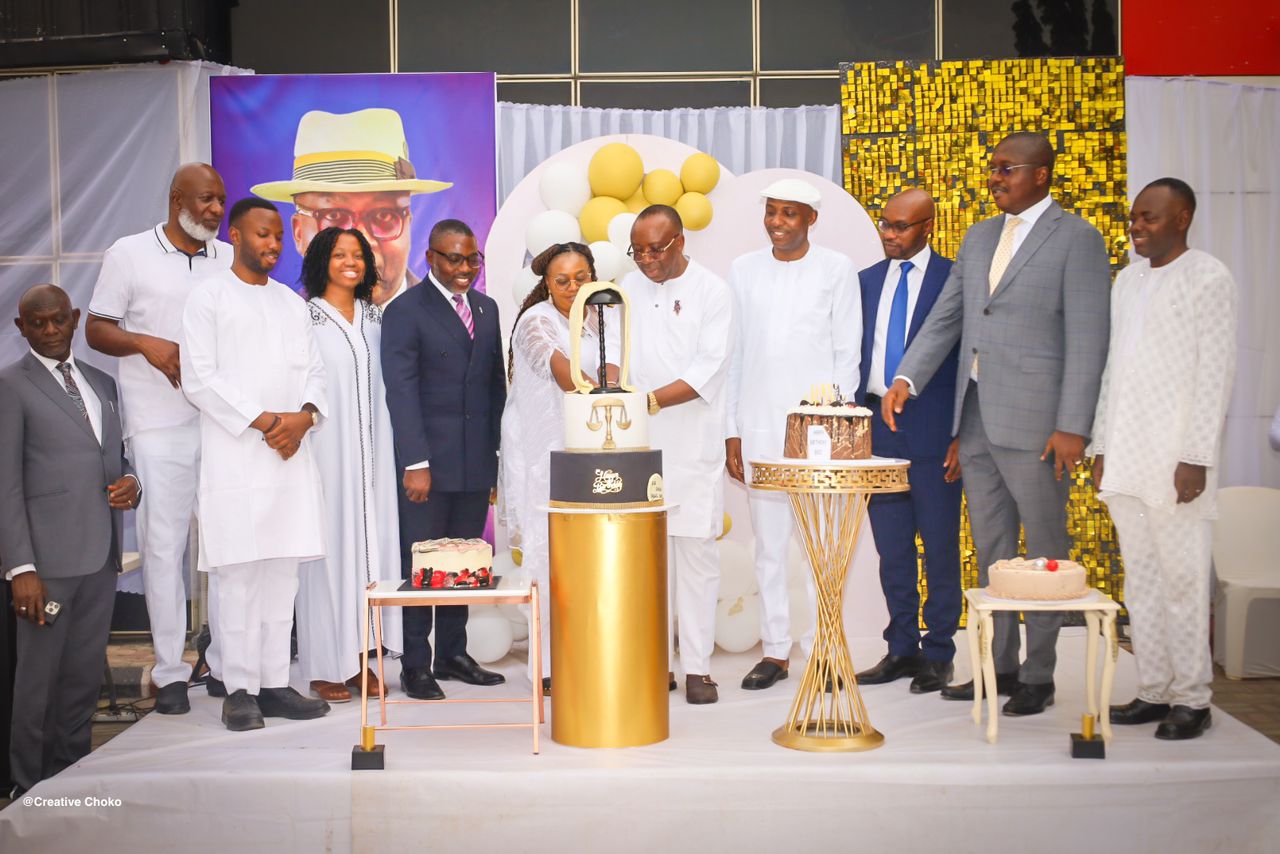
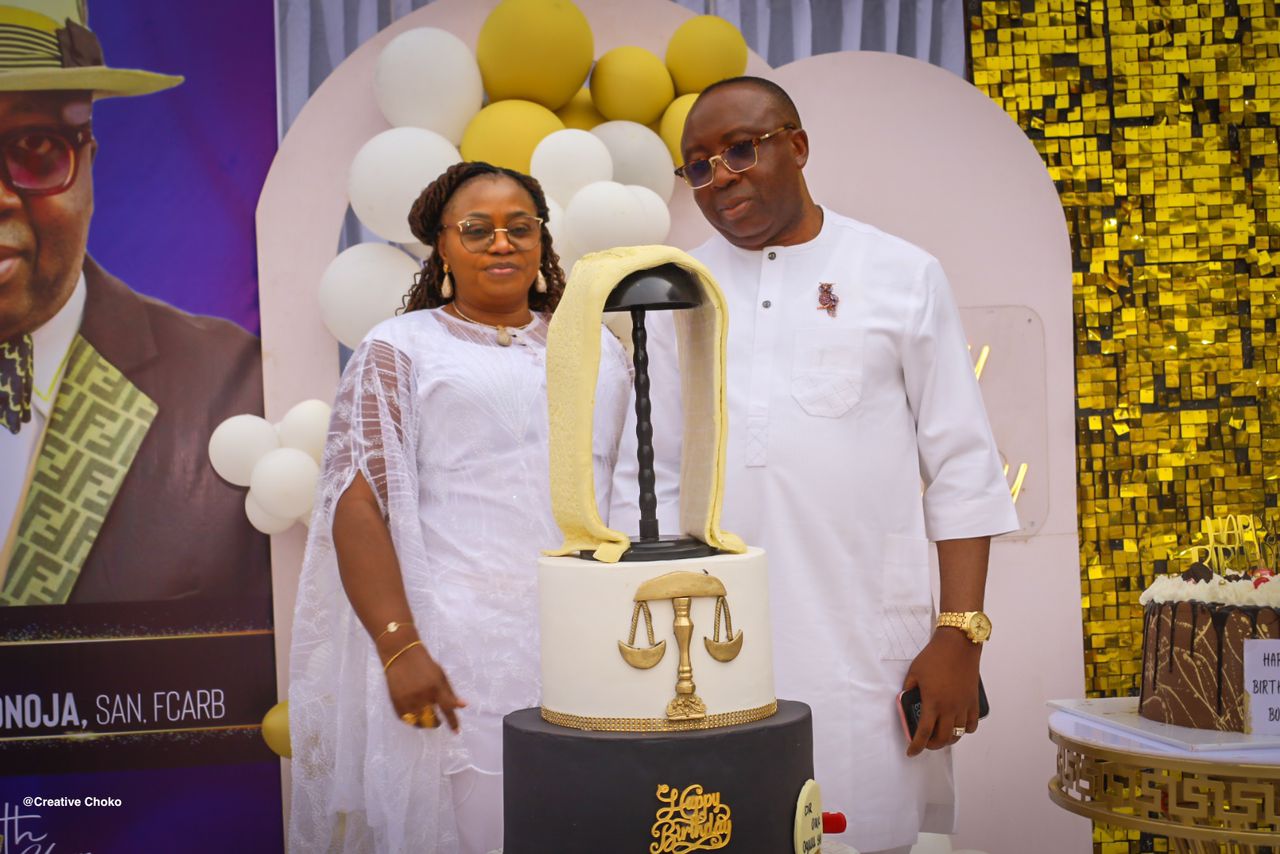
For a man who has had several brushes with death, and lived to tell the story, it is not surprising that on Monday 19 February, 2024, Dr. Ogwu James Onoja, SAN, gathered family, friends, staff members of his establishments, and well-wishers to mark his 56th birthday at Bar and Bench House in Abuja.

Chief Mrs. Rosemary Onoja and Dr. Onoja, SAN

But then, when a man tells you that his name is ‘Ogwu’, the Igala word for war, you’d understand that he’s accustomed to ‘wars’ and ‘battles.’

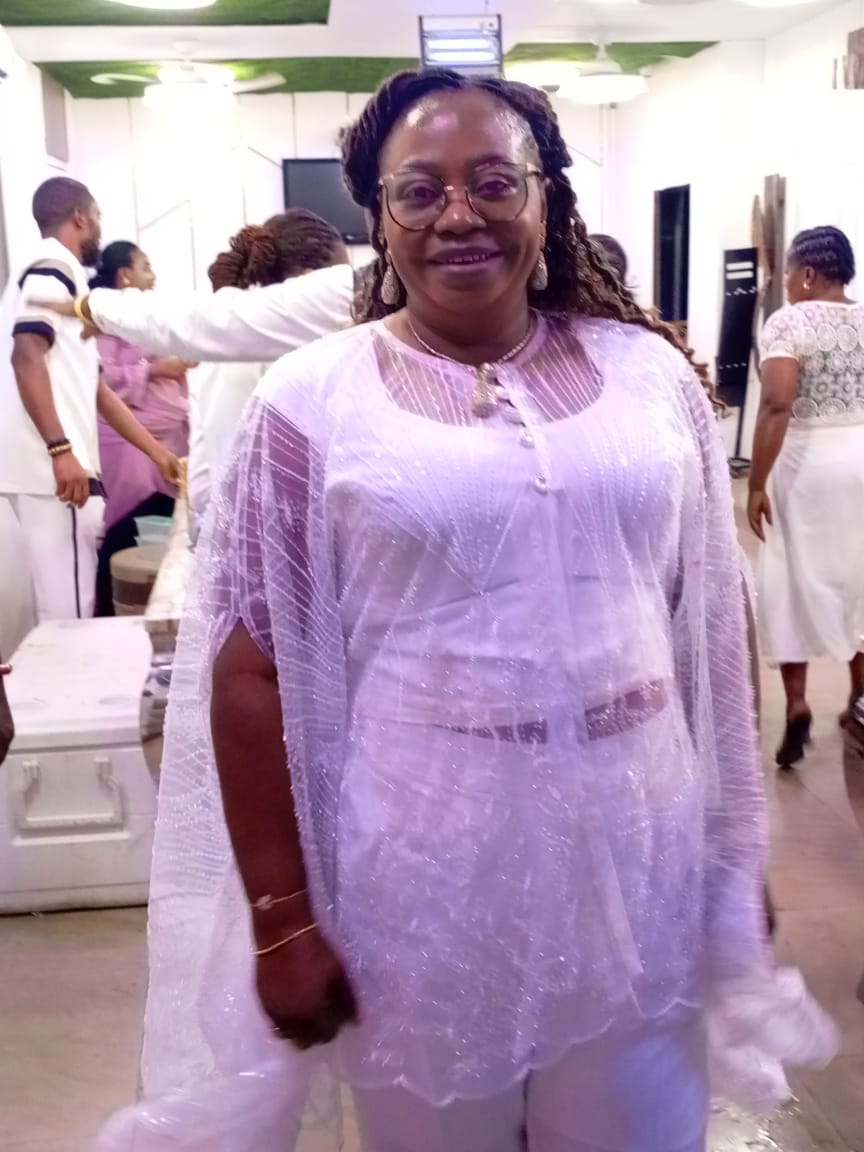
Mrs. Rosemary Onoja

TIPS