Home Blog Page 1082

Again, court sentences Samsung heir to two and a half years imprisonment

A Seoul High Court on Monday sentenced the heir to Samsung’s corporate empire, Lee Jae-yong, to two and a half years imprisonment in a reopened corruption trial, local media reported.

The national news agency Yonhap reported also the court imposed a two and a half-year sentence on the South Korean broadcasters.

The background to the proceedings is a corruption scandal involving former South Korean President, Park Geun-hye.

Samsung is said to have paid large sums to companies owned by a controversial confidant of Park.

Lee had already been sentenced to five years in prison for corruption in 2017.

A year later, the sentence was reduced to probation. (theconclaveng)

Price of maize set to crash as CBN releases 300,000 tonnes in February

As the Central Bank of Nigeria, CBN, prepares to release about 300,000 metric tonnes of maize February into the Nigerian market from the strategic anchors under the Anchor Borrowers’ Programme (ABP), it is forecast that the current price of the commodity (N155,000 per metric tonne), will be reduced drastically.

The anticipated release follows moves made by the CBN, working with the Nigeria Customs Service (NCS) in the last quarter of 2020, to facilitate import waivers for four agro-processing companies to import 262,000 tonnes of maize to bridge the shortfall in production and augment local production.

With the release of 300,000 metric tonnes in February 2021, it is expected that the prices of maize in the Nigerian market will drop significantly, thereby increasing demand for the crop and ultimately enhancing the gains of maize farmers.

Prior to the CBN-NCS collaboration, President Muhammadu Buhari had approved the release of 30,000 tonnes of maize from the National Strategic Grain Reserve to support the Poultry Association of Nigeria (PAN) at a subsidized rate.

In a chat with newsmen in Abuja, the National President of the Maize Association of Nigeria (MAAN) Alhaji Bello Abubakar, attributed the current shortfall in the quantity of maize available in the market, to include insecurity around the major maize producing belt of Niger, Kaduna, Katsina, Zamfara and part of Kano states.

Alhaji Bello also identified the activities of hoarders and middlemen who engage in hoarding of the grain.

Also speaking in the same vein, a prime anchor under the maize production, Dr Edwin Uche, noted that banditry, drought in some parts of the country in 2020 and activities of middlemen were responsible for the current high price.

He, however, opined that the planned dry season farming which is first of its kind in the country, timely distribution of input to farmers and improved security, would go a long way to enhance production and ensure stability in price.

He expressed optimism about the price crashing to N120,000 per metric tonne in the next couple of days.

Another major stakeholder in the maize production, Mr Ayodeji Balogun of AFEX, attributed the hike in price to cash-flow problem of farmers, which has compelled farmers to resort to collecting cash from buyers ahead of production and resort to side-selling, especially across the borders of neighbouring countries due to higher prices.

It will be recalled that the CBN in 2020 had provided credit facility and seed support to maize farmers, to enable them increase their yield, particularly due to the challenge posed by the COVID-19 pandemic.

As part of the Bank’s financing framework, the CBN has facilitated the funding of maize farmers and processors through the Anchor Borrowers’ Programme (ABP) Commodity Association, Private/Prime Anchors, State Governments, Maize Aggregation Scheme (MAS), and the Commercial Agricultural Credit Scheme (CACS).

Confirming the release of credit to its members by the CBN, the National President of the Maize Association of Nigeria (MAAN), Dr Bello Abubakar disclosed that over 200,000 farmers were targeted to producee more than 25 million metric tonnes of maize in the 2020/2021 planting season.

According to him, the credit secured by the CBN was being distributed to members along the maize value chain, nation-wide.

He expressed confidence that the support of the CBN would boost production and ultimately ensure availability as well as stability in the price of the commodity.

In spite of cases of insecurity in some parts of the country, he said farmers were committed to meeting the objective of food security.

Abubakar also charged middlemen not to take advantage of the supply gap to hike the price of the grains, even as he assured that farmers would maintain reasonable price.

He equally urged the Federal Government to put in place mechanism to protect farmers from market triggered shocks. (theconclaveng )

Bandits kill 80-year-old woman, others in Kaduna

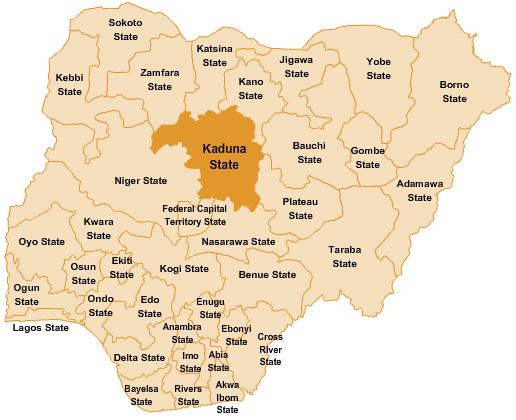
Kaduna State Government has confirmed the killing of an 80-year-old woman as well as some others by bandits in different Local Government Area of the State.

According to the State Commissioner, Ministry of Internal Security and Home Affairs, Samuel Aruwan, the 80-year-old woman was killed by bandits in Igabi Local Government Area, while Ward Head, two locals were killed in Chikun Local Government Area.

Aruwan added that one person was killed and three others injured in Giwa Local Government Area.

He said security agencies confirmed the killing of an aged woman in Sharu village, Igabi local government area.

Aruwan said the security report disclosed that the bandits invaded the village and raided several homes.

He said as they shot sporadically Hauwwa Umaru, 80, was hit by a bullet and died instantly.

He said in another incident, unknown gunmen killed one Samaila Yohanna, the Ward Head of Konti, in Chikun Local Government Area.

The Commissioner further confirmed that bandits killed two locals, Alhaji Sani and Malam Rabiu, at Dande also in Chikun Local Government Area.

He said in Giwa Local Government Area, the bandits barricaded the road between Fatika and Kidandan and opened fire on commuters plying the road and one unidentified woman was killed, and three other persons injured in the attack.

He said Governor Nasir el-Rufai noted the reports with sadness, and conveyed condolences to the families of the deceased, praying for the repose of their souls.

He also prayed for speedy recovery for the injured.

The Governor also implored security agencies to ensure diligent investigations into the disturbing incidents. (theconclaveng)

Lekki toll gate shootings: What really happened?

The youth of Nigeria found their voice in 2020 with the rise of the End Sars protests against police brutality.

Nicknamed the “Soro Soke” generation – which means “speak up” in Yoruba – they took to the streets across the country for almost two weeks, calling for change.

That ended abruptly on 20 October when the army opened fire on peaceful protesters in a wealthy suburb of Lagos.

The BBC’s Nigeria Correspondent Mayeni Jones investigates what happened that night and the climate of fear that has followed the shootings at Lekki toll gate.

Continue reading

Nigerians who have used Ivermectin may be immune to COVID-19 -Neuroscientist

A neuroscientist, Dr. Chidi Njemanze, says majority of Nigerians have developed strong immunity against COVID-19 and might not need the Pfizer/BioNTech and Moderna vaccines expected in the country by the end of the month.

Speaking with PUNCH HealthWise, the renowned medical researcher in neurocardiology said the drug Ivermectin (Mectizan), used to treat River Blindness (onchocerciasis), and which most Nigerians have consumed at some point, has stimulated their immune system to resist parasites and viruses of the RNA group, to which COVID-19 belongs.

“They want to make Nigerians who already have immunity to coronavirus to take a vaccine that might not work on them.

“Ivermectin was distributed across the country, and, coincidentally, it stimulates the immune system to resist parasites and viruses of the RNA group

“Many Nigerians have taken this drug, and, invariably, are resistant to COVID-19. The immune system is already primed to resist the virus,” Njemanze deposed.

According to an Assistant Researcher, Prof. Carlos Chaccour, in a report published by the Barcelona Institute for Global Health, Ivermectin, an anti-parasitic drug developed in the 1970s, had proven to inhibit the replication of several RNA, including SARS-CoV-2

Chaccour, however, said there is equipoise on it, a term used in bioethics to define a situation in which there is reasonable doubt of whether a drug might be of use or not.

In a study led by the Monash Biomedicine Discovery Institute in Australia, which was published on April 3, 2020 in ScienceDaily, Ivermectin was noted to have killed COVID-19 virus within 48 hours.

The scientific team found that a single dose of the drug could stop the SARS-CoV-2 virus growing in cell culture.

“The next steps are to determine the correct human dosage — ensuring the doses shown to effectively treat the virus in vitro are safe for humans,” the researchers stated.

Further speaking on the expected vaccines, Njemanze said procuring them would be wasteful, adding that spending N124bn on a virus that has continued to mutate into more variants, when the national health budget is N46bn, doesn’t show strategic planning

“This particular strategy of procuring a vaccine, which is being developed abroad and is being adopted by the Nigerian authority, is not applicable here and is wrong.

“The amount earmarked for the vaccine is 10 times our national budget. This is outside the infrastructure that you need to store and administer it,” the neuroscientist said.

He further noted that the vaccine will not serve any purpose, especially now that a new variant, which is being imported into the country, is in circulation.

He said, “When you have a disease process that is caused by a virus that keeps mutating into other variants after a while, the strategy usually is to use drugs that will reduce the viral load.

“This is so that if the virus is severe and an individual gets infected, it will not bring the person down.

“When viral load is reduced, the immune system can now produce immune cells that will defend it from the virus. That is the usual strategy when treating any disease.

“The disadvantage of rushing to use a vaccine is that it will be specific to a variant. If, say, you have ‘Variant A’ and you produce a vaccine, it will be very active for only that one.

“If and when ‘Variant B’ emerges tomorrow, it will not be sensitive to that vaccine.

“So, for Nigeria to go and spend so much on one vaccine and tomorrow, another COVID-19 vaccine is developed for another variant, and maybe the first one was 90 per cent sensitive, when variant B comes, it will only be 30 or 40 per cent sensitive.

“Do they intend to get another budget to buy a new vaccine for the new variant?

“It is total stupidity for any developing country to be spending scarce resources to buy a vaccine for coronavirus. “

Njemanze also warned that inoculating Nigerians with the vaccines might worsen the disease process, adding “There is what is called pathogenic priming.

“Getting the vaccine and then getting infected can make it worse. That’s a phenomenon we call pathogenic priming or antibody dependent enhancement.

“It can happen here. And because this is not all understood, trying to buy into it doesn’t make sense.”

The Neuroscientist, however, said the Federal Government might justify buying a limited quantity for healthcare workers at the frontline as a form of protection.

“Maybe 10,000 or 15,000 vials for some health professionals who are at the forefront of waging war against the disease, especially those that they want to post to isolation centres,” he added.

The physician described COVID-19 as a relatively mild disease in terms of modalities and effects, noting that Nigeria had experienced worse disease outbreaks and had survived with less mortality.

“What did the Federal Government do for Lassa fever and Ebola virus? Did they get any effective vaccine?

“It seems to me that decisions are being made by politicians who have no idea about what medicine is all about.

“As it stands now, politicians are the ones making these decisions and analysing solutions,” he said.

Njemanze also warned that lockdown of the country because of the second wave will be counterproductive, as the percentage of infections recorded so far doesn’t warrant such measures.

He said, “They are talking about lockdown in a country where disease prevalence is 0.000044 per cent of the population. So what is the justification? The entire strategy is a nonstarter.

“The Federal Government should be guided by our needs in this clime and not what is being monitored on global news stations.

“We are jettisoning primary things that we are supposed to do; things like getting adequate personal protective equipment and gloves for healthcare workers.

“Government couldn’t even do that. So, what other thinking are they going to come up with that will logically solve the problem?

“When you lock down Nigeria, you are actually clustering people, especially with our extended family system, where almost six to seven people live in a room due to poverty.

“Without lockdown, these people will be at their workplace, where they also sleep occasionally. So, you are actually separating people when they are working.

“Conversely, lockdown, which translates to clustering, will help to further spread the virus. This is not the same abroad because those places are a little bit different.

“Their homes are usually two to three rooms apartments, and they could be two to three people in the family, and can actually remain separated if they so desire.

“Lockdown measure is not applicable in Nigeria, because we don’t have the same social structure and system.”

Njemaze maintained that America, Britain and other foreign countries have zero experience in terms of dealing with infectious disease, and wondered why African countries are taking cues from them.

“Why are they teaching you what they have never seen before? Have they dealt with Ebola, Lassa fever and malaria outbreak before?

“Are we going to impose lockdown for Lassa fever, malaria and Ebola virus outbreak?

“You are talking to people who have no idea and who should be asking us what to do. We deal with these diseases on a daily basis and have more serious diseases than coronavirus.

“We don’t need these measures because we already have public health distribution drugs that will reduce the viral load of coronavirus and the RNA viruses.

“All the antimalarial medications and quinines we use can reduce the RNA viral load. And the public is already taking these drugs. We have the therapeutic, so we already have inherent system protection.

“The vaccines will not improve any survivability because we have already survived the virus.”

On what scientific measures could be adapted to effectively contain the second wave of COVID-19, Njemanze said the second wave was an international one, and that Nigeria is only getting a transfer of transported cases.

He, however, applauded the Federal Government’s effort at containing the new wave, adding, “They are doing well, especially by ensuring that returnees to the country are taking COVID-19 tests and policing the border.

“That is the correct thing to do because we are having transported cases. We don’t have an inherent community spread of the second wave.

“Even if one or two variants are discovered in the country, they are still transported cases because they can be traced to someone that just returned to the country.

“There is really no need to change our strategy towards control of the virus. The strategy on ground, without the vaccine, is superb. We are doing well with it.”

PUNCH

Akeredolu Goes Tough On Herdsmen, Orders Herdsmen To Vacate Ondo Forests

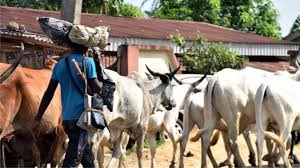
The Ondo State Governor, Arakunrin Oluwarotimi Akeredolu appears set to tackle the menace of incessant kidnappings and killings from its root as he reeled out a number of tough measures, curtailing the operation of herdsmen throughout the Sunshine territory.

Firstly, the Fulani herdsmen operating in the state are to vacate all Forest Reserves in the territory within the next seven days with effective today, Monday January 18, 2021.

In addition, the Governor has also placed a total ban on night-grazing by herders in the state. This takes immediate effect.

Reasons for the ban, he said, is because most farm destruction takes place at night.

Addressing a Stakeholders’ meeting comprising of top security chiefs in Akure, Akeredolu also announced that movement of cattle within cities and highways is prohibited henceforth.

The Governor said: “As the Chief Law and Security Officer of the State, it is my constitutional obligation to do everything lawful to protect the lives and property of all residents of the State. In light of the foregoing, the following orders are hereby issued:

“All Forest Reserves in the State are to be vacated by herdsmen within the next seven days with effect from today, Monday 18th January, 2021.

“Night-grazing is banned with immediate effect because most farm destruction takes place at night.

“Movement of cattle within cities and highways is prohibited while under-aged grazing of cattle is outlawed.

“In its usual magnanimity, our administration will give a grace period of seven days for those who wish to carry on with their cattle-rearing business to register with appropriate authorities. 

“Our resolution to guarantee safety of lives and property within the State shall remain utmost as security agencies have been directed to enforce the ban.

“We have taken major steps at addressing the root cause of kidnapping, in particular, and other nefarious activities detailed and documented in security reports, the press and debriefings from victims of kidnap cases in Ondo State”

 Akeredolu regretted that the unfortunate incidents are traceable to the activities of some bad elements masquerading as herdsmen. 

He noted that “these felons have turned our forest reserves into hideouts for keeping victims of kidnapping, negotiating for ransom and carrying out other criminal activities”.

He vowed that his Administration would be firm in dealing with anyone or groups that flout the new directives

Building a career in Mediation

By Raphael Sedemogun

The ancient Chinese philosopher, Confucius is rumoured to have said “Choose a job you love, and you will never have to work a day in your life.”

One of the most significant life choices we will make is the choice of a career path. In traditional African society, this was not difficult because your family and environment determined your career path.

Thus the farmer’s child becomes a farmer and the fisherman’s child becomes a fisherman or fisherwoman.

A career is an occupation undertaken for a significant period of a person’s life with opportunities for growth progress. In other words, careers are built over a lifetime and sharpened through the acquisition of special training and skills.

During a visit to a class of Harvard MBA students, Ray Kroc, the owner of McDonalds asked, “What business is McDonalds in?”

They all answered “Entertainment!” “Franchising!” “Restaurants!” “Hospitality!” “Supply Chain!”

“No!” Ray laughed and replied “Ladies and gentlemen, I’m not in the hamburger business. My business is real estate.”

He was of course referring to McDonald’s ingenious business model which made more productive use of real estate than almost any other business in the world.

The moral of this story is that it is possible for one to be on a career path without even knowing it, but that is a story for another day.

Mediation is an interactive process where an impartial third party assists disputing parties resolve conflicts using specialized communication and negotiation techniques. While mediation has been around for thousands of years, the experimental use of mediation as a structured method of dispute resolution began in the 1970s in the United States of America.

All over the world today, Mediation has become the preferred means of resolving disputes. Mediation thrives in societies where there is general displeasure with the traditional legal/judicial system. This fact is so true in Nigeria today where justice is delayed, trials are long, protracted, and costly; and the judicial process is essentially a zero sum game- there must be at least one loser.

In contrast, mediation is faster, cheaper, time saving and participatory- the Parties determine the outcome. The Mediator only helps the parties facilitate the best possible outcome in the circumstance; a win-win situation.

In mediation, as in any career, your goal should be to aspire to the apogee. This can only be achieved by observing the following time-honoured rules:

1.       Plan

Planning is one of the most important stepping stones to building a successful career in mediation. You will need to be very deliberate about it, after all “if you fail to plan, you plan to fail”. Like success, planning never ends and your game plan should be your roadmap on this journey of a lifetime.

Planning involves identifying the role you would like to play in the mediation value chain as well as the human and other resources available to help you grasp the fundamentals of your chosen role, build specialized knowledge and access opportunities to express yourself. A key benefit to charting your course is that you have as a framework with which you can measure your progress over time.

2.      Invest in Personal Development

Building a successful career involves investing in yourself. Attend trainings, seminars, workshops and similar events. With the deluge of ADR Courses and trainings, out there, you should focus on trainings that are hands-on and practical. Preferably, you should invest in programs that offer access to diverse practice opportunities. You can also invest your time in pro bono engagements that provide access to justice opportunities. These are invaluable sources of experience, especially for young people or persons looking to quickly scale the hurdles of experience.

3.      Networking

Ever tried clapping with one hand? In careers as in many aspects of life, it takes two to tango. Horizontal and Lateral Networking are essential to building strong relationships either as a Mediation Attorney or as a Neutral. Networks aid the creation of significant relationships with people who can help you discover opportunities. Seminars, conferences, and workshops provide great networking opportunities. Remember, no matter how large it may be, a single tree does not make a forest.

4.      Marketing

A good product without a marketing strategy is like winking at a blind horse, or smiling in the dark- pointless. Marketing brings potential clients into your space while your Sales strategy will help you close deals. Your marketing strategy should be built around your brand. In an industry that relies largely on referrals, marketing brings people who need and can afford your services within your orbit. Use online and offline platforms to market your expertise and knowledge.

Marketing decisions include determining the Packaging, Pricing, Placement, and Promotion of your services.

The user experience customers have is a critical element of your marketing outcome. The service you render will either promote or discourage potential prospects. Please note that the Mediation process is built on trust and integrity. Your dealings with prospects and colleagues should always be above-board.

Raphael Sedemogun is a Mediator with Commercial Intermediates. He can be reached at 08035594922, [email protected],

www.commercial-intermediates.com.ng

If you found this article helpful, please follow Commercial Intermediates on Twitter and Instagram @234Adr.

Commercial Intermediates is an independent dispute resolution service provider. We provide specialized certification training, consultancy and advisory services to persons seeking to adopt or use ADR systems.

23 die in Norway after receiving Pfizer vaccine — Officials

This creative image taken in a studio in Paris on November 16, 2020, showing a syringe and a vaccine vial with the reproducted logo of a US biotech firm Moderna, illustrates the announcement of an experimental vaccine against Covid-19 from Moderna that would be nearly 95% effective, marking a second major step forward in the quest to end the Covid-19 pandemic. (Photo by JOEL SAGET / AFP) / “The erroneous mention[s] appearing in the metadata of this photo by JOEL SAGET has been modified in AFP systems in the following manner: [This creative image taken in a studio in Paris on November 16, 2020, showing a syringe and a vaccine vial with the reproducted logo of a US biotech firm Moderna, illustrates the announcement of an experimental vaccine against Covid-19 from Moderna that would be nearly 95% effective, marking a second major step forward in the quest to end the Covid-19 pandemic.] instead of [This illustration picture taken in a studio in Paris on November 16, 2020, shows a syringe and a vial with the logo of US biotech firm Moderna.]. Please immediately remove the erroneous mention[s] from all your online services and delete it (them) from your servers. If you have been authorized by AFP to distribute it (them) to third parties, please ensure that the same actions are carried out by them. Failure to promptly comply with these instructions will entail liability on your part for any continued or post notification usage. Therefore we thank you very much for all your attention and prompt action. We are sorry for the inconvenience this notification may cause and remain at your disposal for any further information you may require.”

Twenty-Three people died in Norway within days of receiving their first dose of the Pfizer COVID-19 vaccine, with 13 of those deaths — all nursing home patients — apparently related to the side effects of the shots, health officials said.

Common reactions to the vaccine, including fever and nausea, “may have contributed to a fatal outcome in some frail patients,” Sigurd Hortemo, chief physician at the Norwegian Medicines Agency, said in a Friday statement.

All 13 were nursing home patients and at least 80 years old. While officials aren’t expressing serious concern, they are adjusting their guidance on who should receive the vaccine.


The news comes just over a week after officials reported the deaths of just two nursing home residents after they received the Pfizer jab.

More than 30,000 people in Norway have received the first shot of the Pfizer or Moderna coronavirus vaccine in the Scandinavian country since late last month, according to official figures.

“We are not alarmed by this,” Steinar Madsen, medical director with the agency, told Norwegian broadcaster NRK. “It is quite clear that these vaccines have very little risk, with a small exception for the frailest patients.”

“Doctors must now carefully consider who should be vaccinated,” he added. “Those who are very frail and at the very end of life can be vaccinated after an individual assessment,” he said.

A Pfizer rep said the pharmaceutical giant is “aware of reported deaths” following the administration of the vaccine in Norway and is working with the Norwegian Medicines Agency “to gather all the relevant information.”

The Nation

SERAP Asks NASS To Stop Buhari From Selling Govt Properties – Newspot

The Socio-Economic Rights and Accountability Project (SERAP) has asked the National Assembly to stop President Muhammadu Buhari from selling government properties to fund the 2021 budget.

SERAP in a statement issued on Sunday by its deputy director, Kolawole Oluwadare, appealed to the Senate President, Ahmad Lawan, and the Speaker of House of Representatives, Femi Gbajabiamila to bar the President from carrying out such moves via a letter addressed on January 16.

The group wants the leadership of the National Assembly to “urgently review the 2021 appropriation legislation to stop the government of President Muhammadu Buhari from selling public properties to fund the 2021 budget, and to identify areas in the budget to cut such as salaries and allowances for members and the Presidency to make sayings to address the growing level of deficit and borrowing.”

“The National Assembly has a constitutional and oversight responsibility to protect valuable public properties and to ensure responsible budget spending. Allowing the government to sell public properties, and to enjoy almost absolute discretion to borrow to fund the 2021 budget would amount to a fundamental breach of constitutional and fiduciary duties.”

While warning that selling valuable public properties to fund the 2021 budget would be counter-productive, the group said “this would be vulnerable to corruption and mismanagement. It would undermine the social contract with Nigerians, leave the government worse off, and hurt the country in the long run. It is neither necessary nor in the public interest.”

READ ALSO: UNILAG Denies Charging ₦50,000 For Online Classes

The organisation also called for a change in the country’s fiscal situation through some combination of cuts in spending on salaries and allowances, and a freeze on spending in certain areas of the budget such as hardship and furniture allowances, entertainment allowances, international travels, and buying of motor vehicles and utilities for members and the Presidency.

On borrowing of loans, SERAP also asked the parliament “to stop approving loan requests by the Federal Government if it continues to fail to demonstrate transparency and accountability in the spending of the loans so far obtained.”

“We would consider the option of pursuing legal action to stop the Federal Government from selling public properties, and we may join the National Assembly in any such suit.”

“The budget deficit and debt problems threaten Nigerians’ access to essential public goods and services and will hurt future generations. If not urgently addressed, the deficit and debt problems would seriously undermine access to public goods and services for the country’s poorest and most vulnerable people who continue to endure the grimmest of conditions.”

“Our requests are brought in the public interest, and in keeping with the requirements of the Nigerian Constitution 1999 [as amended], the country’s international human rights obligations including under the International Covenant on Civil and Political Rights and the African Charter on Human and Peoples’ Rights. Nigeria has ratified both human rights treaties,” the statement added. (newspotng)

Desperate Nigerian Swallows Loads of Cocaine During Drug Raid in India

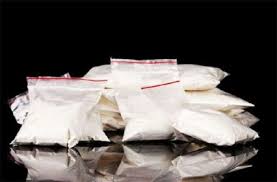
A desperate Nigerian national has been hospitalised in India after he swallowed loads of cocaine during a raid conducted by the Narcotics Control Bureau (NCB) in Mumbai,

According to Free Press Journal, high drama unfolded outside a five-star hotel in Juhu during a drug raid by the NCB while acting on a tip-off.

“While gathering information on our ongoing cases against drugs, we detained a Nigerian national who swallowed cocaine during the commotion,” said an NCB officer privy to the investigation.

“The Nigerian, who is suspected to be involved in drug peddling, is being investigated. We have detained him for investigations.

“In such cases, the agencies resort to feeding bananas to the empty stomach of the suspects. Such concealment of drugs in the body is an old method which is usually used by smugglers while flying through airports.

“However, such concealment can be life threatening. In 2013, the customs arrested two Tanzanian nationals at the airport with cocaine capsules weighing 1kg each in their stomach. One of them died after a capsule burst in his stomach.” (thecrestng)

TIPS