Home Blog Page 1052

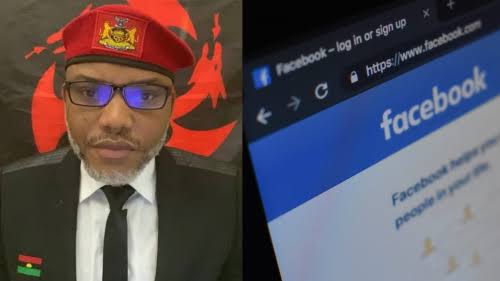
Facebook Blocks Nnamdi Kanu’s Account, IPOB Labels Company As Accomplice To Fulani Herdsmen Atrocities

The Indigenous People of Biafra has berated the social media giant, Facebook, for blocking the account of its leader, Mazi Nnamdi Kanu.

This was contained in a press statement issued and made available to SaharaReporters by the media and publicity secretary, Emma Powerful,

on Wednesday.

Powerful said that Kanu’s Facebook account was blocked after his revealing live broadcast on Tuesday night.

“The Indigenous People of Biafra (IPOB) is appalled at the despicable attitude of Facebook for blocking the Facebook page of our leader, Mazi Nnamdi Kanu, after his expository and explosive live broadcast on Tuesday night. It is not only baffling but too petty for a global social media giant like Facebook to allow itself to be used by agents of oppression in Nigeria to suppress the truth,” the statement partly read.

“We strongly condemn this attitude of Facebook managers in Lagos and Abuja who collude with corrupt Nigerian government officials to suppress the free flow of Information via their platform. This unconscionable and reprehensible attitude amounts to partnering with perpetrators of human rights abuses and other criminal activities masterminded by the Nigeria state against innocent citizens.

“The Fulani-controlled federal government and its foot soldiers – terrorist herdsmen and bandits – have continued to subjugate indigenous nations in the country, including Biafrans with the intent for conquest. These foot soldiers on a daily basis unleash all sorts of mayhem on the innocent and hapless indigenous peoples while the federal government mischievously remains docile.

“These vampires masquerading as herdsmen have forcibly seized our forests and converted our farms to grazing fields for their cattle. They have equally turned our ancestral lands to slaughterhouses where they kill with impunity in most dehumanising manners, innocent locals going about their legitimate business. They commit these crimes unchallenged by security operatives. They kidnap for ransoms, maim and rape our women. They feed their cattle with our crops, and Facebook is saying we don’t have a right to cry out?”

The IPOB spokesperson described the attitude of the Mark Zuckerberg-managed Facebook as oppressive and prevention of information flow, which he said was similar to how the British government prevented information from Biafra from going out during the Nigerian Civil War of 1967 — 1970.

“Now that our leader has started exposing the atrocities of these wolves in human clothing, Facebook has decided to be an accomplice to mass murder and oppressive tendencies of Fulani Janjaweed rulers of Nigeria. Why should Facebook block the account of the leader of the largest peaceful mass movement in the world for speaking the bitter truth people are too terrified to talk about?

“Why hasn’t Facebook prevailed on the perpetrators of these heinous crimes in Nigeria to stop their atrocities instead of denying innocent victims media access? Facebook is quick to fall for the lie of agents of oppression and accuse us of hate speech but fails to realise that hate action begets hate speech if in the Facebook lexicon, bitter truth translates to hate speech.

“This unholy act is only akin to what Britain and her allies did to Biafra during the Genocidal War of 1967-70 when they imposed land, air and media blockade on Biafra in order to deny the truth about the ongoing genocide from going out.

“Facebook, it seems does not want the atrocities of Fulani killer herdsmen to come to the knowledge of the world but they have failed woefully. Facebook is today assisting an oppressive government that pampers, frees and settles ‘captured’ terrorists while doing nothing to protect or rehabilitate victims of terror.

“But our message to Facebook is simple: no matter how hard you try to suppress the gospel of truth being preached by our leader, the struggle for Biafra liberation cannot be slowed down. On the contrary, our efforts will be intensified because Biafra restoration is a divine mandate that must be accomplished in this era.

“We are very resolute in our resolve to restore Biafra and will not be deterred. If you like, block all Biafran activists on your platform, we shall keep pushing on until Biafra is fully restored.

In the release, however, IPOB spokesman enumerated other options to be explored in getting information from Kanu henceforth.

“We, therefore, wish to encourage our leader’s teeming global audience to follow him and hook up to his live broadcasts via IPOB’s numerous other platforms. Our leader can be followed through many other platforms such as Twitter, YouTube, IPOB Community Radio App, Radio Biafra app, satellite and FM. 

“May we therefore remind all those compromised local staff of Facebook in Lagos and Abuja that but for Nnamdi Kanu and IPOB, their families in their communities would have today been overrun by herdsmen and terrorists. An accomplice to a cruel man will surely get the reward of cruelty!”

Thepodium

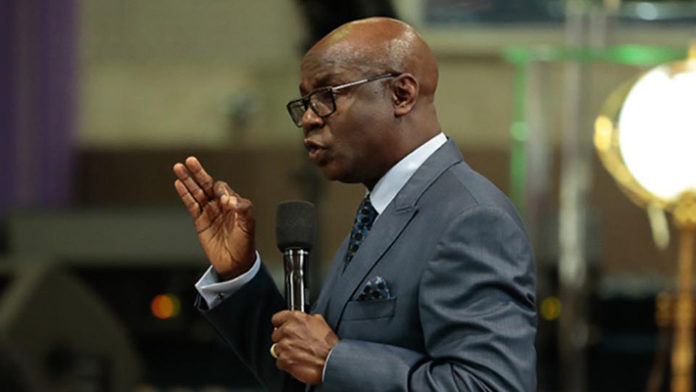
Insecurity: Tunde Bakare queries Buhari on source of Boko Haram supplies

Tunde BakarePastor Tunde Bakare (Photo Credit: Latter Rain Facebook)

Pastor Tunde Bakare (Photo Credit: Latter Rain Facebook)

The fiery preacher stated that “we can’t continue to do the same thing again and again and expect a different result.”

Overseer of the Citadel Global Global Community Church, Tunde Bakare, has expressed disappointment at the poor security situation of the country.

Pastor Bakare stated this during an Instagram Live chat with veteran publisher Dele Momodu on Tuesday.

Responding to questions regarding the dreaded Boko Haram insurgents and the Fulani herdsmen, the cleric questioned both the government and the military on the sources of the deadly groups’ armunitions, adding that this should not be difficult to find out.

Mr. Bakare said: “The problem of these terrorists Boko Haram did not start with this administration but it escalated. 

“One would have assumed that the President being a former general, by this moment, Boko Haram would have been history, and he demonstrated his willingness to do that when he took the command post straight into the battle field,” the running mate to Mr. Buhari in the failed 2011 presidential bid added.

“Where are these people getting these arms and ammunition from? Are they taking them from our military? Where is the support structure for these people? Which market did they get their food from? People know where they are. A tree does not make a forest, I’m sure President Buhari would have realised that by now. As a Commander-In-Chief, the bulk ends on his table but could he go to the field and fight this battle, I assume it would be history by now.”

Regarding the herdsmen crisis, the preacher turned politician described the situation as shameful, demanding that herdsmen if found guilty, as well as their sponsors, should face justice.

Mr. Bakare said: “For the herdsmen, it’s such a shame that lawlessness parades through the streets of our nation because of those men who carry AK47. Where do they get their ammunition from? Who gave them licenses to do what they are doing? They should be brought to book. It has continued for too long.

“This is the time to get these people down to their roots, or else they can muster much strength and begin to afflict us more. Even amongst Nigerians, there are those who are supporting these evil men in one form or the other. They have food supply, they have ammunition, they have women amongst them, they capture some, they marry some. They live amongst people.”

Not being sure if “there is constitutional barrett to bombing the whole of Sambisa forest completely”, the fiery preacher stated that “we can’t continue to do the same thing again and again and expect a different result.” (thepodium)

Execution of six Igbo soldiers: Army’s anonymous denial is admission of complicity – Coalition

Abuja (Sundiata Post) – Eastern Nigeria’s Rights & Intelligentsia Coalition has reacted to the execution of the six Igbo Christian soldiers inside the Abacha Barracks recently, saying that the Army’s anonymous denial of its involvement with Chief of Staff (COAS), Retired Lt Gen Tukur Yusuf Buratai and having not issued any concrete and provable denial statement is indirectly admitting criminal responsibility in the matter.

While disclosing this in a statement signed by leaders of 28 Civil Society group and made available to newsmen, the coalition alleged that falsehood, lying, cover-ups and evidence destruction have been Nigerian Army’s routine and modus since 2015.

The statement reads in full:

The Nigerian Army’s anonymous denial of its involvement with its immediate past Chief of Staff (COAS), Retired Lt Gen Tukur Yusuf Buratai in the secret and most horrendous execution of six Igbo Christian soldiers inside the Abacha Barracks in Abuja on Monday, 25th Jan 2021; is a clear case of ‘purposive admission of criminal responsibility’. If it is in criminal court trial, it becomes ‘mens rea proven’. We are boldly glad and happy that Barr E.R. Okoroafor, a member of the Coalition and originator of the information had in his phone interview with the Abuja Correspondent of the Int’l Center for Investigative Reporting (ICIR) yesterday’s evening (2th Feb 2021) insisted that the six Igbo Christian soldiers were secretly tried and executed and challenged the Army to not only produce them alive, hale and hearty, but also tell Nigerians and the world what actually happened including where the Army kept them and why they were kept as well as whether they were tried in secret and condemned for secret execution.

The Coalition makes bold to say that uploading montage pictures of the slain soldiers with “Fake News” written over same or hiring a consultancy firm to write a statement signed by “an anonymous senior Army officer” is in no way a credible and concrete reply and ordinarily should not be taken serious; but owing to psychological terrorization and chronic censorship which media practitioners in the country have undergone and are still undergoing, any crab from the Army or Government is now capable of making big headlines. That is to say that the Nigerian Army has not issued any concrete and provable denial statement as far as the Coalition is concerned. As a matter of fact, the Nigerian Army has ended up indirectly admitting criminal responsibility in the matter. The Coalition also did not issue that aspect of the statement for Nigerian Army to accept or deny because falsehood, lying, cover-ups and evidence destruction have been its routine and modus since 2015.

Even after massacring hundreds of defenseless Easterners in 2015 and 2016, the same Nigerian Army set up a kangaroo panel in 2017 and in the end claimed that “no single citizen was killed in the East”. Same Nigerian Army has kept mute over its abduction of over 400 Obigbo residents in Rivers State. This is despite concretely evidential court processes and decisions including the release of 145 of the abductees, secretly and inhumanly thrown into solitary captivity for more than three months or since 21st Oct and early Nov 2020. Till today, the Nigerian Army has refused to speak or release the remaining abductees unconditionally or remorsefully apologize to the victims and Nigerians and hold the perpetrators tightly accountable. On the other hand, the Army is hereby mockingly ‘commended’ for not declaring the names of the slain soldiers as “fake names”, “not belonging to Nigerian Army”; or declaring their pictures as having “originated from Congo DRC or Central African Republic or Burundi”.

Defining Secret Trial Or Court Martial

Contrary to Nigerian Army’s gross ignorant with regard to ‘secret trial or court martial’, this is when like in military setting, service personnel are accused with malicious or premeditated and hateful intents and arraigned in a trial with a predetermined outcome; during which all ingredients of fair hearing and trial are set aside or stifled-and these include: denying the accused access to defense lawyers of their choice, denying them access to their family members and physicians, conducting their trials outside official publicity and public knowledge, blocking or denying them right of appeal to Civil Courts (Court of Appeal and Supreme Court) and carrying out secret execution of the court-martial convicts outside the law including without recourse to Nigeria’s existing National Moratorium on Death Penalty.

13 Key Questions Nigerian Army Failed To Answer

The Nigerian Army has not provided concrete answers to the following: (1) whether the six slain Igbo Christian soldiers and their names, religion and ethnicity exist in the Army or on its records, (2) whether the four pictures as produced belong to the ascribed serving personnel of the Nigerian Army, (3) whether they were made to undergo any form of trial within the Army, (4) whether they were tried in any manner with the stated allegations, (5) whether their trial, if true, was conducted in the presence of their family, legal and medical representatives including allowing them access to lawyers of their choice, (6) whether the six Igbo soldiers were defended by lawyers of their choice, (7) whether they were allowed to exercise their right of appeal to Court of Appeal and Supreme Court and (8) whether the Nigerian Army issued any public statement concerning their trial or notified their beloved ones and the public.

The rest are: (9) if they were executed, whether it was done secretly or in the open and if in the open, whether their lawyers, physicians, faith priests and family members were present-these, if true, should have been attached with audio-visual evidence showing same, (10) where the Nigerian Army and its immediate past COAS, Retired Lt Gen Tukur Buratai derived powers to order the execution, whether in secret or in the open, of soldiers including the six slain Igbo Christian soldiers (unjustly and wickedly convicted), convicted by Army Court Martial, (11) if they are still alive and detained as ‘death row inmates’, where they are being held, condition of their health and circumstances leading to their present fate, (12) why the Nigerian Army failed to produce them publicly, if they are still alive, hale and hearty and (13) why Nigerian Army, in furtherance of the above, did not update Nigerians as per whether it has also secretly executed or still keeping alive another Igbo soldier convicted and sentenced to death by firing squad in Maiduguri, Borno State in Jan 2021, by name: Trooper Azunna Mmadubuchi.

Signatories:

· Emeka Umeagbalasi (M.Sc.), Board Chair, Int’l Society for Civil Liberties & Rule of Law

· Prof Anthony Ejiofor-Chairman, World Igbo Congress (USA)

· Prof Uzodimma Nwala-President, Ala-Igbo Dev Foundation (ADF)

· Prof Justice Chidi-President, Concerned Elites for Better Society Initiative

· Prof Justin Akujieze-Board Chairman, Ekwenche Research Institute (USA)

· Dr. Moses Nwaigwe-President, Biafra Genocide Survivors Group (USA)

· Austin Okeke, Esq.-Global Leader, Igbo Board of Deputies (UK)

· Kanayo K. Odeluga, MD., MPH-Executive Director, Igbo League, Inc.(USA)

· Mercy Alu, MBA, PhD-Executive Coordinator (Research), the Int’l Association of African Authors & Scholars (USA)

· Dr. Onyenkachi Orjiako, Esq.-Rep, Int’l Society for War Against Lawlessness (USA)

· Mazi Obi Okoli-Coordinator, Congress of Igbo Leaders UK & Ireland

· Dr. Law Mefor-Rep, Igbo Bu Igbo (IBI)

· Dr. Okezie Kelechi-ED, Neighborhood Environment Watch Foundation

· Dr. Jerry Chidozie Chukwuokoro-Rep, Int’l Solidarity for Peace & Human Rights Initiative

· Comrades Chilos Godsent & Zulu Ofoelue-Reps, Igbo National Council

· Ezekwike Chekwube Violet, Esq.-Founder, New Home Mentoring & Dev Initiative

· Comrade Aloysius Attah-Chair, Civil Liberties Organization, Southeast

· Maazi Tochukwu Ezeoke, President, Igbo Ekunie Initiative

· Comrade Justine Ijeomah-ED, Human Rights Social Dev & Environmental Foundation(HURSDEF)

· Comrade Vincent Ezekwueme-Chair, Civil Liberties Organization, Anambra State

· Comrade Peter Onyegiri-ED, Center for Human Rights & Peace Advocacy

· Comrade Alex Olisa-Rep, Southeast Good Governance Forum

· Comrade Nnana Nelson Nwafor-ED, Foundation for Environment Rights Advocacy & Dev.

· Comrade Nkwocha Anozie-ED, Initiative for Ideal Dev & Emancipatory Leadership

· Comrade Emeku Uche-Rep, Easy-life Initiative for Rural Youths

· Comrade Samuel Njoku-Chair, Human Rights Organization of Nigeria

· Comrade Ngwobia O. Ngwobia-Rep Primate Salvation Initiative

· Nze UgoAkpe Onwuka (Oyi)-National Coordinator, Igbo Renaissance Forum

sundiatapost

Mediating Money-Lending Disputes

By Commercial Intermediates

Oscar Wilde said “Always borrow money from a pessimist. He won’t expect it back”. An ancient Albanian proverb says “If you lend your money, you either lose your money or gain an enemy.”

Moneylending is probably as old as money. Human civilizations have been lending and borrowing since the emergence of money as a unit of account in ancient Egypt and Mesopotamia.

Moneylending is the act or occupation of lending money at an interest. The profession of Moneylending can be traced to ancient Rome, where the economy was driven by trade. Moneylending can be carried out by an individual or corporate body.

In colonial Western Nigeria, money lenders charged exorbitant interest rates and often insisted on repayment at a fixed date. Debt recovery was generally painful to defaulters; who were humiliated, harassed, and forced to lose their property.

The Moneylenders Ordinance, 1938, (No. 45 of 1938), one of the most significant Ordinances of 1938, was passed by the Colonial Administration to provide more comprehensively for the regulation of the business of money-lending. The Ordinance created a compulsory licensing scheme.

In both ancient and modern times, the judicial system has proved to be a cog in the wheel of moneylenders due to the long delays and the shelter a defaulting Borrower would enjoy from the Court.

Some moneylenders insert ‘Penalty or Default’ Clauses in Loan Agreements to deter default. These clauses often do not fare very well. In Shakespeare’s the Merchant of Venice, Shylock the moneylender who demanded a pound of Antonio’s flesh as per the Loan Agreement. The Court held that Shylock shall have “nothing but the penalty” — “just a pound of flesh” — no more, no less. And if he takes even “in the estimation of a hair” more than a pound of flesh, he will die and all his goods will be confiscated.

Money-lending disputes include non-payment, payment default, and failure to comply with terms generally.

Navigating the tumultuous sea of money-lending disputes does not have to be as rigorous, expensive or time-consuming- a zero sum game. Mediation allows the Lender and the Borrower to avoid the cost, delay and potential reputational damage associated with protracted litigation.

The Mediation process involves a neutral third party whose intervention facilitates communication and negotiation between the disputing parties to foster a mutually agreed settlement between them. It is a voluntary private dispute resolution process in which an impartial third party assists parties to reach a negotiated settlement. Additional benefits include

Confidentiality:

Mediation proceedings are confidential, which ensures that the outcome of the mediation is not subject to public scrutiny. The Parties can walk away from the transaction without negative exposure in the media or with 3rd parties.

Flexibility and Procedural Simplicity:

Mediation is designed to be flexible and simple and also easily adaptable to various types of dispute. Parties are empowered to conduct such a proceedings in such a manner as it considers appropriate so as to ensure fair hearing.

Quicker Decision Making:

Mediation procedures save time, as going through traditional court of law to resolve cases involves procedures that are time consuming.

Here are some practical steps Moneylenders and Borrowers can adopt to insulate themselves from the harsh disputes.

  1. Obtain a Money Lenders License
  2. Deploy Mediation in the Dispute Resolution Clause of the Loan/Lending Agreement
  3. Employ the use of Default clauses instead of penalty clauses because Penalty Clauses are generally unenforceable.
  4. Avoid resorting to self-help

Commercial Intermediates is an independent dispute resolution provider based in Lagos State and the Federal Capital Territory

[email protected], [email protected], 09086576262

JOE BIDEN’S FAULTY START (1)

By

Sonnie Ekwowusi

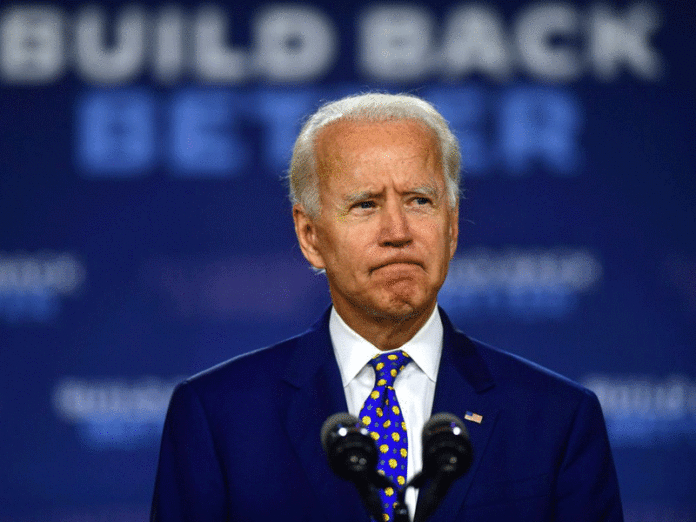
Newly-inaugurated U.S President Joe Biden has started badly in office. Within his first three days in office, Mr. Biden wasted no time in lifting the ban on the use of American tax payers’ money in funding abortion in African countries including Nigeria. I don’t know why Mr. Biden is obsessed with abortion. Ex-President Donald Trump stopped this abortion funding but President Joe Biden has reinstated it. This is evidence of the shape of Biden’s foreign policy in Africa. Why is Mr. Biden doing this to us?. Why is he paying us back with abortion?. One good turn, they say, deserves another. African-Americans including Nigerian-Americans voted massively for Biden in the last U.S Presidential election. Out of gratitude, Mr. Biden has appointed some Nigerian-Americans in his government. Now, the same Mr. Biden is turning round to sponsor an instrument of mass destruction; a horrendous white supremacist holocaust targeted at exterminating the so-called ”socially undesirable people” in Nigeria and other African countries.

Terrible. I will never forget what Dr. Alveda King, niece of former civil rights movement leader, Martin Luther King Jr, told me at a New York City Restaurant a few years ago. On learning I was a Nigerian, she turned, looked at me sternly in the face and said to me, “Don’t let what happened to us happen to you”. Obviously by “us” she meant black Americans, and by “you”, she meant Nigerians. In case you have forgotten your history, please permit me to refresh your memory once more. Ms. Margaret Louise Sanger (1879-1966), founder of Planned Parenthood of America, endorsed the murder of Negros whom she branded as “socially undesirable people” who were unfit to live. She was out to exterminate the blacks. Recall her famous statement to conceal her intention of exterminating the blacks: “we should hire three or four coloured ministers, preferably with social-service backgrounds and with engaging personalities. The most successful educational approach to the Negro is through religious appeal. We do not want word to go out that we want to exterminate the Negro population. The minister is the man who can straighten out that idea if it ever occurs to any of their moral rebellious members”.

Although Sanger is dead, her eugenic philosophy has outlived her. About 78% of the abortion clinics of the Planned Parenthood of America are located within the black population with blacks as targets. For instance, 45% of abortions carried out in America are among blacks. In fact demographic experts predict that if this trend remains unchecked black votes may be insignificant in the US by the year 2038. In New York City for instance, which is regarded as the abortion capital of the world, uncountable number of African -American girls and single mothers besiege the abortion clinics every day to surrender their babies to be killed. This killing of African-American babies in New York City and other American cities has been interpreted as the new genocide against black world.

Go back to your history books. Or, visit the website, if you like. Read G.K Chesterton on Margaret Sanger. Read the history of Planned Parenthood Federation of America founded by Sanger. Learn to ask questions. Don’t swallow hook line and sinker the lies they have been telling you. Think for yourself. Reflect. An unexamined life, said Socrates, is not worth living. Read your books again. Don’t depend on the CNN, BBC, New York Times, social media as the only sources of acquiring knowledge. Permit me to recommend one good book for your reading pleasure. Title: The Abortion Holocaust: Today’s Final Solution. Author: William Brennan. In the said book, Brennan persuasively argues that the propaganda for permissive abortion under the guise of protecting the health of women was formulated by Berlin Chamber of Physicians in 1933. It was the same Berlin Chamber of Physicians that was responsible for including the “health of the mother” as a camouflage for legalized abortion during the Third Reich. Like the Berlin Chamber of Physicians the US Supreme Court in ROE V WADE interpreted the phrase: “health of the mother” or “maternal health” very loosely to encompass broad spectrum of abortion rationalizations. Later the World Health Organization’s (By the way, the WHO, funded by Bill Gates, has steadily been promoting abortion, teen safe-sex and prostitution among girls across the world since its foundation on April 7 1948) definition of health as “a state of complete physical, mental, and social wellbeing” would be used as health-related reasons for sponsoring abortion. Today, “high maternal mortality”, is a subterfuge or a wedge used by the West to promote abortion under any possible justification in Africa.

Mr. Biden claims that he reinstated the funding of abortion (halted by Trump) in African countries because denying African women abortion amounts to an “attack on women’s health access”. I have never heard a more illogical and warped reasoning. President Biden, tell that to the horse marines. Is abortion food that African women must eat in order to stay alive? How can Mr. Biden claim that infanticide, that is, the killing of babies enhances women’s health?. Abortion is the greatest violence to women. What is abortion, anyway? A doctor inserts some sharp instruments into a pregnant woman’s womb through her vagina, seeks out the baby, clutches the head of the baby, rips apart the baby’s body, draws out everything through the vagina with a large quantity of blood and empties all the dead baby’s broken parts into a container.

This is the gruesome murder which President Biden dubs “women’s health access”. Tufiakwa !. What is “healthy” in murdering an innocent baby in the womb? Why the international conspiracy to kill defenseless babies in reminiscent of the slaughtering of innocent babies by Herod and the massacre of the Jews during the Nazi era?. Life is live and let live. If Mr. Biden’s mother, for any explicable or inexplicable reasons, had aborted fetus Joseph Biden, surely President Biden wouldn’t have been alive today let alone become the President of the U.S.? Isn’t? It is. The danger for Biden is that by sponsorship the killing of innocent babies in America and overseas, he is courting unnecessary hatred for himself. If my last check is anything to rely on, Biden’s approval rating had dropped to 29%. African women are angry with Biden. Recently they sent him a video telling him that African women deserve the good things of life not abortion. In case you have forgotten, 77% of Americans including 64% pro-choicers are opposed to using federal funds to support abortion both in America and overseas including African countries. As we speak, Catholic nuns called Little Sisters of the Poor are weeping. Why? Because Mr. Biden is forcing them to pay for abortion irrespective of their conscientious objection to the contrary. Aside the Little Sisters of the Poor, pro-life Christian evangelicals, Jews, Muslims, Buddhists, free-thinkers, Atheists, Agnostics, believers and unbelievers, men and women of our time across the world are unhappy with Biden due to the aforesaid reason. Small wonder Mr. Biden’s approval rating is diminishing day by day notwithstanding that he hasn’t clocked 100 days in the White House.

In promoting transgenderism, Biden will make Obama look like Phyllis Stewart Schlafly. In the name of “redefining all policies and regulations regarding discrimination based on sex to include “gender identity” or “transgenderism”, Mr. Biden had, in his first few hours in office, issued an Executive Order, without Congress approval, to the effect that male students in the United States who claim that they are females could compete together in sports with girl students irrespective of their biological sex.

thisdaylive

Alleged Secret Execution: Produce Six Identified Soldiers Alive and Well, Coalition Dares Nigerian Army

The Coalition of Civil Societies which claimed that the Nigerian Army secretly tried and executed six soldiers of the South-East extraction in Abuja has dared the Nigerian Army authorities to produce the six soldiers hale and hearty, instead of describing its claims as “fake news”.

The coalition, in a release on Wednesday made available to TheNigerialawyer, tackled the army for its alleged complicity and silence, saying the coalition stood by their earlier claims that the soldiers, whose names and photographs were also made public, were tried and executed.

Some of the groups which signed the release by the coalition are International Society for Civil Liberties and Rule of Law, World Igbo Congress United States, Ala-Igbo Development Foundation, Concerned Elites for Better Society Initiative, and Igbo Board of Deputies, United Kingdom.

The army had on Tuesday described as false, a report that it secretly tried and executed six soldiers in Abuja who were of the South-East extraction after they were found to have committed an infraction.

The Director, Army Public Relations, Brig. Gen. Sagir Musa, in his characteristic manner, had labelled the media reports on the incident as “fake news and mischievous publication” but failed to give details of the whereabouts of the soldiers and what truly transpired.

The coalition had alleged in a press statement on Tuesday that the six soldiers were denied legal representation before their execution, after a hasty secret trial.

The soldiers were said to have been attached to the Armoury Department of the Mogadishu Cantonment, Asokoro, otherwise known as Abacha Barracks, Abuja.

The activists had given the names of those allegedly executed as Prince Ukwuoma, son of a traditional ruler; Ebube Isaiah, Amos Azubuike, Ekene Ebere, Moses Anyim and Godwin Uchendu.

In its reaction, the army tagged the news report as fake and mischievous, although Nigerians have been asking the army authorities to come out clean on the names of the soldiers and the incident in contention.

In another release on Wednesday, the coalition posed 13 questions to the army authorities, noting that it would stand by its claims.

The release partly reads, “The Nigerian Army’s anonymous denial of its involvement with its immediate past Chief of Army Staff, Retired Lt Gen Tukur Buratai, in the secret and most horrendous execution of six soldiers inside the Abacha Barracks in Abuja our purposive admission of criminal responsibility. If it is in criminal court trial, it becomes ‘mens rea proven’. “Barr E.R. Okoroafor, a member of the coalition, challenges the army to not only produce them alive, hale and hearty, but also tell Nigerians and the world what actually happened, including where the army kept them and why they were kept as well as whether they were tried in secret and condemned for secret execution.

“The coalition makes bold to say that uploading montage pictures of the slain soldiers with ‘Fake News’ written over same is in no way a credible and concrete reply and ordinarily should not be taken seriously.

“The Nigerian Army has not provided concrete answers to the following; (1) whether the six slain Igbo Christian soldiers and their names, religion and ethnicity exist in the Army or on its records, (2) whether the four pictures as produced belong to the ascribed serving personnel of the Nigerian Army, (3) whether they were made to undergo any form of trial within the Army, (4) whether they were tried in any manner with the stated allegations.

“(5) whether their trial, if true, was conducted in the presence of their family, legal and medical representatives including allowing them access to lawyers of their choice, (6) whether the six Igbo soldiers were defended by lawyers of their choice, (7) whether they were allowed to exercise their right of appeal to Court of Appeal and Supreme Court and (8) whether the Nigerian Army issued any public statement concerning their trial or notified their beloved ones and the public.”

Thenigerialawyer

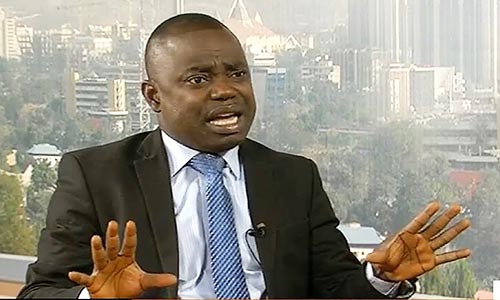
Lawyer Berates Delta High Court Judge, For Publicly Denouncing The Paternity Of His 3 Children

*Says It Is Plain Wickedness That Is Vindictive And Propelled By Crude Vengeance.
*Says Such Adult Children Affected By The Public Disclosure Of DNA Testing Results Must Institute Legal Proceedings Against Such A Father.

A Human Rights Lawyer and the Executive Director, Citizens Advocacy for Social & Economic Rights (CASER), Frank Tietie has said it is irresponsible and selfish for anybody to make a public announcement denouncing the paternity of his children. 

The rights lawyer made this statement on Wednesday, following the press statement released by a former Lecturer and Delta State High court Judge, Justice  Anthony Okorodas, denouncing the paternity of the three children he had with his ex-wife while in wedlock.

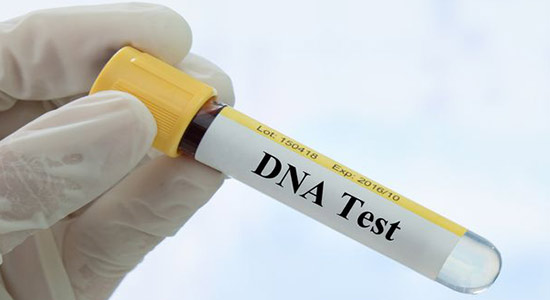
According to his statement made available to TheNigerialawyer(TNL), DNA test results cannot deny paternity to children born within wedlock.

Berating the Judge for his action Tietie, said the recent trend of using DNA testings to confirm the paternity of children born within a marriage with the aim of publicly denouncing paternity is not only irresponsible but highly selfish and seriously harmful to the dignity and general psyche of the children. 

“The public disclosure of the contents of such DNA test results to the public is most reprehensible. Why would any man subject a child or children born within wedlock to such psychologically debilitating encounter, foisting such traumatic experience that will permanently scar the self-esteem of such children, especially older ones, for life? It is utterly cruel and selfish!

“It is plain wickedness that is vindictive and propelled by crude vengeance. It must be condemned.

He further noted “Let it be known that by our law, in Nigeria, particularly, Section 165 of the Evidence Act, provides that all children that are born during the continuance of a valid marriage between their mother and any man, or within 280 days after the dissolution of the marriage, so long as the mother remains unmarried, the law and the court shall presume that such children in question are the legitimate children of that man.

“Whereas the above provision of the law is rebuttable by DNA testings, such tests in many cases as reported can possibly go wrong. 

Speaking on the authenticity of obtaining accurate and true DNA test results from the service providers he said there are indeed, reported cases where DNA tests have been obtained by fraud, subject to manipulation and have been easily tampered with. 

“The reputation of the lab which conducts such DNA tests and the processes adopted by the labs in collecting and dealing with the samples for testing must also be fully disclosed in the event where the DNA testing results are made public.

“This can afford all those affected by the results, to subject such DNA testings to further scrutiny. And until that is done, claims based on such results are not conclusive,” Tietie added.

Recall that there is currently and widely reported case of a judicial officer that has issued a public statement regarding the paternity of his (erstwhile) children based on the results of  DNA testings he conducted. 

“That is the judgment of a man who presides in judgment over the affairs of the state and men. It is also further reported that this said judicial officer’s children, who have been affected by his public declaration of the DNA testing results are grownups (young adults). 

“They must indeed, be terribly embarrassed and devastated by the public declarations made by the said judicial officer, their own father.

“But it should not end there. Such adult children that are affected by an unwarranted public disclosure of DNA testing results must be quick to institute legal proceedings against such a father. 

“The legal action must first, be to subject the man who made such public disclosure of DNA test results, to some form of psychiatric testing in order to determine his well-being, as to his state of his mind. This should be done before further inquiries are made of him in court, for the purpose of subjecting him to fully disclosing the material particulars preceding and succeeding the DNA testings which he initiated. This is to determine the validity and conclusiveness of such DNA testing results. Thus, If such a father didn’t spare his children of the trauma of publicly disclosing the DNA testing results that affect them, such children must NOT spare such a father, a proper public trial in order to determine both his sanity and the validity of the DNA testing results.

“For children that are minors, a man should not think that by obtaining DNA testing results proving that a child or children born within wedlock are not his, would indeed, shield him from providing care and maintenance for such a child or children affected by the results. That cannot excuse him from discharging his parental responsibilities to the children. To that particular extent, a man cannot profit from his covert or overt marital negligence, in allowing his wife to be involved in extramarital affairs and to effectively make it an excuse to negatively affect children (human beings) that are born within a marriage. 

After all, the children could have been his as marriage is expected to produce children, by the way. Therefore, such a man must take care of all the children (minors) that are born within the duration of the marriage as specified by Section 165 of the Evidence Act.

“In addition,  the child’s or children’s right to parental care, protection, and maintenance is guaranteed by Section 14 of the Child’s Right Act. This right is enforceable against the parents and guardians of all children below the age of 18 years that are born within or without marriage and, cannot be derogated from even by the results of any DNA testing,” Frank Tietie noted. (Thenigerialawyer)

Am I Waiving My Right To Sue When I Sign A Medical Consent Form In Nigeria?

By Chidera Nwokeke

INTRODUCTION

An essential of good medical practice is the recognition by the attending physician of the inherent right of the patient to their own body and life. The healthcare provider has no right to examine or treat a patient without their consent. The consent that is in issue here is not the consent as a constitutive element for the conclusion of the contract with the medical practitioner, but consent as a condition precedent to and justification for the legality of the physician’s intervention. This rule is subject to the exception that in an emergency if it is impossible or impracticable to obtain the patient’s consent or the consent of anyone authorized to assume such responsibility, in which case, the law implies consent.

In Nigeria, when a healthcare provider recommends specific medical care, a patient can agree to all of it, or only some of it. Before the procedure, the patient will have to complete and sign a consent form. This form is a legal document that shows their participation in the decision and their agreement to have the procedure done. The right to informed consent of a patient in Nigeria has certain legal backups which has also received judicial imprimatur. However, it is pertinent to note that it is not all treatments that require the signing of forms especially when it does not involve any invasive procedure.

Prefatorily, the crux of this article is to ascertain whether a patient is waiving their right to sue upon signing a medical consent form.  It is a notorious fact that unfolding events shows that many healthcare providers are oblivious of what a proper consent should be. There are some forms of consent which are imperative to be obtained by a practitioner from the patient. The medical profession insists that certain interaction deserves specific and expressly defined and documented forms of consent. However, there are many barriers to enjoyment of this right to informed consent. Some patients see the signing of consent forms as relinquishing their rights, or as a procedure that is only there to protect the hospital and the doctors. Also some patients do not always allow healthcare providers to use different treatment options owing to their cultural or religious beliefs.

WHAT IS INFORMED CONSENT?

Informed consent means that the patient specifically consents to the proposed medical procedure. Informed consent is more than just consent. In order for a patient to give informed consent to a medical procedure, the health care provider must inform the patient of all of the risks and complications that may reasonably occur during that procedure, however minor they may be. Only after a patient is truly informed about the potential risks of a medical procedure can a patient give consent to the procedure.[1]

Patient consent is not an optional extra but a core part of examination and treatment. All adults are assumed to have mental capacity to consent to or refuse treatment, unless there is evidence to the contrary. Consent by a person with capacity is valid when it is adequately informed and voluntary. Consent merely means to agree or to permit someone to do something.[2] Consent need not be in writing. As long as patients understand what is proposed, a verbal indication of acceptance is sufficient, but written authorisation is advisable for higher risk or innovative treatments and is legally required for some procedures. [3]

The purpose of the form is to ensure that the patient gives their informed consent for the medical procedure before the procedure is performed. Current legal, moral, medical and philosophical thought lists five elements for a valid informed consent, comprising of: two preconditions – voluntarism and capacity; two information elements – disclosure and understanding, and; a decision element – consenting or refusing.[4]

LEGAL SUPPORT FOR INFORMED CONSENT

The Patients’ Bill of Right is an aggregation of patients’ rights that exist in other instruments including, The Constitution, Federal Competition and Consumer Protection Act, Child Rights Act, Freedom of Information Act, National Health Act, the Hippocratic Oath, other professional ethical codes and sundry regulations. The bill provides for the rights, responsibility of patients and healthcare obligations. The bill provides for the right of patients to have access to all relevant information in a language that the patient understands, including complete and accurate information about diagnosis, treatment, and prognosis, other procedures and possible outcomes. The patient is to fully participate in implementing the treatment plan and making decisions. [5]

The healthcare provider is to inform the patient about services that are available at the facility and eligibility based on health insurance or out-of pocket costs and responsibilities. Equally inform patient whether proposed treatment or procedure is experimental or part of ongoing research; answer questions about proposed treatment and/or procedures and provide information about potential risks, alternative treatment and/or procedures; provide the patient’s medical records on request by the patient or other authorized persons, in accordance with prevailing laws.

Practitioners involved in procedures requiring the consent of the patient, his relation or appropriate public authority must ensure that the appropriate consent is obtained before such procedures, either for surgery or diagnostic purposes, are done, be they in invasive or non invasive. Consent forms should be in printed or in written form either as a part of case notes or in separate sheets with the institutions name boldly indicated.[6] Explanations to patient from whom consent is sought should be simple, concise and unambiguous about expectations. Proper counseling should precede the signing of the consent form. Discussion and explanation to the patient must be in the language in which the patient is fluent and when necessary through a competent interpreter.[7]

Where the patient is under age (below 18) or is unconscious or is in a state of mind constituting a mental impairment, a next of kin should stand in. In the absence of a next of kin, the most senior doctor in the institution can give appropriate directive to preserve life. In special situations, a court order may need to be procured to enable life saving procedure to be carried out. The attendant benefits and risks are to be clearly laid before the patient. Appropriate professional advice on options must be given. The preferred option is to be chosen by the patient who will then authorise the clinician by completing the form MDCN/COMEIN/R19. An essential element of good medical practice is the recognition by the attending physician of the inherent right of the patient to his own body and life.[8]

Every healthcare provider shall give patient relevant information pertaining to his state of health and necessary treatment except in circumstances where there is substantial evidence that the disclosure of the patient’s health status would be contrary to his best interest. The provider shall make known the range of diagnostic procedures and treatment options generally available to the patient. The provider shall also make known the benefits, risks, costs and consequences generally associated with each option and the user’s right to refuse health services and explain the implications, risks, obligations of such refusal. The healthcare provider concerned shall, where possible, inform the user in a language that the user understands and in a manner which takes into account the user’s level of literacy.[9]

In the case of Abi v Central Bank of Nigeria,[10] the trial court briefly mentioned the issue of informed consent. Nyako J observed simply: “The duty of a doctor includes warning the patient of any possible risk with any treatment.

BARRIERS TO INFORMED CONSENT IN NIGERIA

  1. Gender: A prevalent practice in certain part of Nigeria is the refusal of healthcare providers in allowing female patients to sign their consent form.  Female patients in Nigeria face a certain amount of pressure from their families when making decisions regarding their personal healthcare. In fact, some women waive their right to make decisions, typically giving that responsibility to their husbands or fathers. In many places, consent for cesarean sections or assisted deliveries are obtained from the husband instead of the patient.

Research[11] carried out at the Federal Medical Centre, Azare, in Bauchi State found that the need to obtain the consent of the husbands[12] of patients facing an emergency during pregnancy resulted in delays, which significantly increased the risk of death. Notwithstanding the fact that the husband or father of a female patient can sign the consent form in times of emergency or when the patient is not mentally fit, it is a discriminatory practice and a breach of right to informed consent of the patient by healthcare providers.

  1. Literacy: Basically, literacy is the ability to read and write.  With the high rate of illiteracy in Nigeria, its untold impact is seen in the inability of patients to understand the import of consent form. The level of education and sophistication of a culture affects the level of information disclosure that can be given to patients. Getting informed consent from uneducated people is a regular occurrence but is more difficult and time consuming. A patient who signed an informed consent form cannot be considered informed without comprehending the medical procedure as well as its associated risks and benefits.[13]

The patient’s level of education therefore seems to be an overriding factor in all the influences on informed consent in the country. It not only neutralizes the various cultural and social factors, it bridges the gap between the doctor and the patient, encourages discussion on medical matters, and also puts the physician on guard. Some patients see the signing of consent forms as relinquishing their rights, or as a procedure that is only there to protect the hospital and the doctors.[14]

  1.  Religion: Section 38 of the 1999 constitution guarantees a patient’s right to any religion of his choice.  This right to religion encompasses what he believes in.  Religion has had a dominant influence on ethics and healthcare practice in Nigeria. In most parts of Nigeria, calamities, diseases, sicknesses and problems are claimed to be the direct influence of spiritual beings who may have been offended, especially if certain taboos were broken.[15]As a result, people in remote areas are reluctant to accept Western disease models and treatment strategies. Sickness is seen as the work of the devil and bad people. A strong belief in destiny makes people willing to accept good or bad medical results as the will of God, even when obvious mistakes have been made.

Patients consult their ministers and other spiritualists before surgery, not only for their prayers and blessings, but also to be sure it is in line with God’s will. Religious practices also influence the understanding and reception of consent information and may be used by patients to mask the reality of some information they would rather not know. It is usual during the disclosure of negative news or risks of a procedure to hear patients exclaim ‘I reject it’, ‘it is not my portion in Jesus’ name’, ‘I banish it in Jesus’ name. The rejection of blood transfusion by some patients on religious beliefs has been a long time dilemma for healthcare providers as to whether to save life and disregard the right of patient to religion or to respect the patient autonomy.[16]

In the Nigerian case of Medical and Dental Practitioners Disciplinary Tribunal v. Dr. John E. N. Okonkwo,[17] the Supreme Court recognized the right of a patient to self-determination in the context of freedom of thought, religion and conscience. In that case a patient who belonged to the Jehovah’s Witness faith refused blood transfusion as same was contrary to her religious faith. She died as a result of the refusal to accept blood transfusion. The respondent was charged before the Medical and Dental Practitioner Disciplinary Tribunal on two counts of negligence and acting contrary to his oath as a medical practitioner. On appeal at the Supreme Court, Ayoola JSC held:

The patient’s constitutional right to object to medical treatment or, particularly, as in this case, to blood transfusion on religious grounds is founded on fundamental rights protected by the 1979 Constitution as follows: (i) right to privacy: section 34; (ii) right to freedom of thought, conscience and religious: section 35. All these are preserved in section 37 and 38 of the 1999 Constitution respectively. The right to privacy implies a right to protect one’s thought conscience or religious belief and practice from coercive and unjustified intrusion; and, one’s body from unauthorized invasion. The right to freedom of thought, conscience and religion implies a right not to be prevented, without lawful justification, from choosing the course of one’s life, fashioned on what one believes in, and a right not to be coerced into acting contrary to one’s life, religious belief. The limits of these freedoms, as in all cases, are where they impinge on the rights of others or where they put the welfare of the society or public health in jeopardy. The sum total of the rights of privacy and of freedom of thought, conscience or religion which an individual has, put in a nutshell, is that an individual should be left alone to choose a course for his life, unless a clear and compelling overriding state interest justifies the contrary…

WHO CAN SIGN A CONSENT FORM?

It is a trite law that only a patient can give an informed consent thus only a patient can sign the consent form.  However, notwithstanding the general rule, in some cases, another person can sign a consent form for a patient. This is appropriate in the following scenarios:

  1. Age: If a patient is a child or a young person that has not attained the legal age of making decisions, a parent or guardian will need to give consent on their behalf. The legal age of consent in Nigeria is 18.  However, despite the legal age, the healthcare providers can also consider the Gillick principle to ascertain the child’s competence. Gillick competence is a term originating in England and Wales and is used in medical law to decide whether a child under the age of 16 years is able to consent to their own medical treatment without the need for parental permission or knowledge.
  2. Advance Directive: Just like letters, they are formally written instructions appointing and signed by a patient when still very conscious and have capacity to make decisions. The appointed person has the power to give consent or make future medical decisions for the patient if they are unable to make such decision or give consent.
  3. Mental Capacity: The next of kin or the person who has been named under the advanced directive can make medical decisions if the patient can’t provide consent. This can happen if as at the time the consent is needed, the patient is of unsound mind or mentally unstable.
  4.   Emergency: In an emergency situations like accident, coma etc, a close blood relatives can give the healthcare consent. But if the patient’s relatives aren’t available, a healthcare provider can perform the necessary life-saving procedures without consent.[18]

EFFECT OF SIGNING A CONSENT FORM

  1. You received all the relevant information about your procedure from your healthcare provider.
  2. You understand the information.
  3. You used the information to determine whether or not you want the procedure.
  4. You agree, or consent, to get some or all of the treatment options.
  5.  A properly-executed consent form will generally bar a patient from suing a doctor for lack of informed consent.

Once you sign the form, your healthcare provider can move forward with the procedure and you are bound by the consent form. If you don’t want a procedure or treatment, you can choose to not sign the form. Your healthcare provider won’t be able to provide specific types of treatment if you don’t agree to it. [19]

CAN I STILL SUE?

It is rudimentary law that a person who signs a document is bound by it. In Enemchukwu v Okoye,[20] Ogunwumju JCA stated: In the absence of fraud, duress or plea of non est factum, the signature of a person on a document is evidence of the fact that he is either the author of the contents of the document that are above his signature or that the contents have been brought to his attention. Thus, he is bound by the contents of the document he has signed.

However, a medical consent form does not waive liability, and does not eliminate the option of pursuing damages for medical malpractice, assault and negligence. If a patient signs a consent form, proceeds with treatment, and then suffers some kind of ailment as a result, a medical malpractice suit can be maintained under such circumstance.

  1. Lack of Informed Consent: A patient can sue the healthcare provider for not obtaining consent. The medical and Dental council of Nigeria is aware that there is no standard format for obtaining consent for procedures and surgical interventions on patients in Nigeria and as of now, there are indeed practitioners who do not insist on formal consent to intervene on the body of the patient, for adequate ethical protection. Whilst some consent may be concluded verbally, it is based on the necessity to correct this unwholesome situation that Council has approved a simple format for guidance and use in clinical management. The approved format, coded FORM MDCN/COMEIN/R19 is included here as a part of Rule 19 of the code of Medical Ethics in Nigeria for the purpose of universal application throughout Nigeria. This form is now the standard layout to be used by the registered practitioners in Nigeria to obtain appropriate consent to carry out procedure on patients. All other formats for obtaining consent for procedures on patients are hereby declared invalid.[21]

A patient can sue a healthcare provider for lack of consent where the provider uses any other format for obtaining consent for procedure other than Form MDCN/COMEIN/R19, because such other format is invalid and it is settled law that you cannot place something on nothing and expect it to stand. Furthermore, consent can be invalid if any of the five elements for a valid informed consent, comprising of: two preconditions – voluntarism and capacity; two information elements – disclosure and understanding, and; a decision element – consenting or refusing is missing.

It will amount to lack of consent where the patient or anyone giving consent to sign the form whereas he did not understand the language used.  Thus, it is fundamental for the healthcare providers to explain to the patient or anyone signing on their behalf the procedure, benefits, risk, consequences involved in the treatment procedure in a language he/she can understand and if possible, make the consent form available in a language he understands.  The burden of proving want of consent is on the plaintiff.

Just as the doctor’s failure to fill out the consent form properly can give rise to a medical malpractice claim, a properly executed consent form will generally bar a patient from suing a doctor for lack of informed consent. As long as:

  1. The consent form identifies the medical procedure and its reasonably known risks with reasonable adequacy
  2. The patient was not pressured to sign the form
  3. The patient was mentally competent to sign the form[22]
  1. Medical Negligence: No medical consent form can bar a patient from bringing a legal claim if negligent treatment did occur in course of treatment despite signing the form. If a doctor or hospital made errors that amounted to negligence, it can’t hide from a medical malpractice claim behind a legal form. Medical negligence is the failure of the medical practitioner to exercise a reasonable duty of care in the course of his duty as a professional in the field. A registered medical practitioner is liable for professional negligence when he fails to exercise the skill or act with the degree of care expected of his experience and status in the process of attending to a patient. For the patient (Claimant) to succeed, he needs to prove the following[23]:
  2. That the defendant (doctor) owed him a duty to exercise due care. Before the accrual of liability, however, the basic requirement of the law is that the defendant must owe a duty of care to the plaintiff. Where there is no such notional duty to exercise, negligence will have no legs to stand and any claim premised thereon will fail.[24]
  3. The doctor breached his duty of care. The position of the law in the case of negligence is that the claimant must be able to link the breach of duty of care which occasioned the injury to the defendant. This to my mind is to say that the cause of the injury has to be traced to the act or omission of the defendant.[25]
  4. That the breach resulted in damage to the patient. It is a basic principle of law that there can be no action in negligence unless there is damage.[26]

The courts have long recognised that there is no negligence if a doctor exercises the ordinary skill of an ordinary competent man professing to have that special skill.[27] Where the extent of the negligence had been such that it resulted in permanent disability or death of the patient, then the practitioner will be held liable for gross negligence.[28] Once a doctor undertakes to treat a patient, a duty of care arises. It doesn’t matter whether or not such care is rendered for a fee or ex gratia. He must conform to the reasonable standard of an ordinary doctor of his training and skill.[29]

  1. Your Doctor Didn’t Follow Medical Protocol: Healthcare professionals are guided by what’s considered the standard of care. Basically, there are guidelines that the medical profession deems reasonable for certain medical conditions and diseases. For instance, the standard of care for a cancer patient may involve surgery, chemotherapy, or radiation. Now, let’s assume that during surgery, your doctor strays from normal practices and opts to try out a new technique he heard about. And unfortunately for you, it makes things worse.  In cases like this, the surgery consent form holds no weight. You are entitled to sue the doctor for turning you into a guinea pig without your consent.[30]

It is rudimentary law that in order to find a medical professional guilty of negligence, the situation has to be such that what he did is what professional colleagues would say that he really made a mistake and that he ought not to have made it. Put differently, the action would be such that falls short of the standard of a reasonably skillful medical professional.[31]

CONCLUSION

Generally, professional medical negligence or malpractice has been on the increase and needs to be addressed in terms of the attitude of law towards medical practice for the protection of the patient to make the physician liable as well as to secure punitive punishment for any medical practitioner who through carelessness causes harm to a patient.

Moreover there is the need to caution medical practitioners who have sent many patients to their untimely graves in the course of their professional duties. It would in addition aid to restore people’s confidence in the medical profession. There is need to increase the awareness that patients can seek compensation for things such as medical expenses, lack of informed consent, medical negligence and pain and suffering. While money will not get the patient back all of what they may have lost, it can certainly help on the road to recovery.

Increasingly, there is the need for patients to be protected from medical practitioners who no longer see their professional calling principally as that of saving lives but as that of making money. The need for the protection of patients is not new. In advanced countries, precaution has been taken through legislation and through increased reliance on court action both of which ensure that negligent medical practitioners are made to pay damages to affected patients.

It is our hope that a time will come and now is the time for the courts in this country to rise up in one accord and with one voice clearly and in unmistaken terms in all appropriate cases to not only condemn and deprecate abuses of infringement of patient’s rights to informed consent, ineptitude of healthcare providers but also to make abuse of these rights and negligence by doctors and healthcare providers very unattractive by rewarding exemplary damages in deserving cases.

Chidera Nwokeke is a student of the Nigerian Law School, Lagos campus. He is committed in employing the tools of litigation, ADR, legal advocacy, research writing and policy dialogues in creating  a dependable framework for the advancement of Dispute Resolution, Medical Law, Consumers Right and Human Rights development in Nigeria and African he can be reached at [email protected] or +2348120945787

[1]Do release or consent forms preclude you from suing for medical malpractice? Available at http://www.alllaw.com/articles/nolo/medical-malpractice/release-consent-forms-preclude-suing.html accessed 12th January, 2021

[2] Ogundipe v. Oduwaiye & Anor (2013) LPELR-CA/I/108/04

[3] E.R. Ezeome, and P.A. Marshall, ‘Informed consent practices in Nigeria’ Dev World Bioeth 2009 Dec; 9 (3): 138-48, doi: 10.1111/j.1471-8847.2008.00234.x.Epub 2008 Apr 29, PMID: 18452553

[4] T.L. Beauchamp & J.F. Childress, eds. 2001, Principles of Biomedical Ethics,  New York, NY: Oxford University Press

[5] www.cpc.gov.ng

[6] Medical and Dental Council of Nigeria, 2004, Codes of Medical Ethics in Nigeria. Surulere: Petruvanni Co. Ltd: 26–31

[7] Ibid n5

[8] Ibid

[9] Section 23 National Health Act, 2004

[10] Abi v Central Bank of Nigeria (20 March 2007), Federal High Court, Abuja

[11] Bako, Umar, Garba & Khan, Informed Consent Practices and its Implication for Emergency Obstetrics Care in Azare, North-Eastern Nigeria (2011) 1 Ann Med Health Sc Res 149.

[12] It was not always a matter of obtaining the husband’s consent. The study reports (at 155), that: “[u]nfortunately, even the husbands are sometimes not empowered to give consent in the society especially if [they] cannot bear the financial burden of the treatment. In this situation, the consent will be given by the parent, in-laws or other relatives… These people often do not accompany the patient to the hospital and reside in remote areas. The logistics in reaching out to them often leads to the delay in obtaining consent.”

[13] A. Sherlock, and S. Brownie, ‘Patients’ recollection and understanding of informed consent: A literature review. ANZ J Surg. 2014; 84:207–10, doi: 10.1111/ans.12555.

[14] Atanda, Owonikoko & Adeniji, Pre-operative written consent in Nigeria: How informed are our patients? (2013) 4 J of Med & Med Sciences 307

[15] P.A. Marshall, Relevance of Culture for Informed Consent in U.S.-Funded International Health Research. In Ethical and Policy issues in International Research: Clinical Trials in Developing Countries. 2001 Vol. II. Bethesda, MD: National Bioethics Advisory Commission: C1–C38

[16] Ezeome & Marshall, Informed Consent Practices in Nigeria (2009) 9 Developing World Bioethics 138, at 141-142;

[17] (2001) LPELR-SC.213/1999

[18] Section 20(1) National Health Act, 2004

[19] K. Nunez, “What You Need to Know About Informed Consent’’ available at  https://www.healthline.com/health/informed-consent accessed on 9th January, 2021

[20] (2016) LPELR-(40027) 1 at 16

[21]Rules of Professional Conduct for Medical & Dental Practitioners: Codes on Medical Ethics in Nigeria, Rule 19

[22] Supra

[23] Otti v Excel-C Medical Centre Ltd & Anor (2019) LPELR-CA/L/755/2012

[24] Hamza v. Kure (2010) LPELR-SC.227/2001

[25] 7up Bottling Company Plc V. Emmanuel (2013) LPELR-CA/I/74/2009; Ogbiri vs. N.A.O.C. Ltd (2010) 14 NWLR (Pt. 1213) 208; Anyah vs. Imo Concorde Hotels Ltd (2002) 12 SC. (Pt. 11) 77

[26] Makwe v. Nwukor & Anor (2001) LPELR-SC.100/1996;

[27] Abi v CBN & Ors (2011) LPELR-CA/A/262/2007

[28] Rules of Professional Conduct for Medical & Dental Practitioners: Codes on Medical Ethics in Nigeria, Rule 30

[29] D. MOMODU and T. I. A. OSENI, American International Journal of Contemporary Research Vol. 9, No. 1, March 2019 doi:10.30845/aijcr.v9n1p7 Available at https://www.researchgate.net/publication/332947280 accessed 20 January, 2021

[30] I Signed A Medical Consent Form. Can I Still Sue? Available at https://www.hamptonking.com/blog/i-signed-a-medical-consent-form-can-i-still-sue/  accessed on 8th January, 2021

[31] Ojo v Gharoro (2006) 10 NWLR (Pt. 978) 173

A Case For Paternity Testing

By Lawrence Ezedinma

There has been an overcast within Nigeria’s blogosphere around paternity testing (PT) in the last few months. Such discourse is not new and remains topical within Africa’s capital of paternity fraud, where 3 in 10 Nigerian men are alleged not to be the biological father of their child. This stats induces a perpetual distrust, especially amongst the male folks. Consequently, there has been an increasingly greater pressure for paternity testing either within or from married couples, singles, religious and civil groups. Given that women are on the spotlight during PT, it is essential to identify current thought on the subject matter.

An online survey with the question: ‘are you open to having a paternity test’ received an outright “NO” from a few respondents. Others had stressed that despite it being a betrayal of trust and a wrong impression of the marriage, it became necessary for assurance and peace of mind. Additionally, having a PT immediately after a child’s birth provides an opportunity to identify and address any discrepancies. Religious and civil requirements were the criteria for some responders to consent for a PT. Although some were indifferent citing it has been alien to culture, unnecessary and expensive.

The diversity responses reflect or correspond to the diverse experience and background of the survey participants. Despite the distrust paternity test suggests, respondents who are opened to it, acknowledge and accommodate the fear or suspicion within men in Africa’s paternity fraud capital. One such form of paternity fraud that most men dread is the unintentional types — where a lady involved with multiple partners may not know who a child’s father is. The 2015 movie “road to yesterday” is an excellent depiction of this fraud and this may be on the rise given the current fad around unexpected marriage proposal.

Respondents who are indifferent or reject assenting to a PT can miss out on the potential benefits or possibilities the test may hold or reveal. In Nigeria’s clime, social vice such as swapping babies in maternity wards of hospitals remains prevalent in the 2000s. Most ladies being exhausted or excited after delivery may not be aware of this fraud which is ascribed to their infidelity in the future. PT may not only vindicate a woman’s faithfulness but unveil some medical phenomena within Nigeria’s vast diversity. Medical marvels such as parthenogenesis or chimerism are not as rare as once thought.

Parthenogenesis or virgin birth may be occurring in Nigeria as an evolution act induced by rising maternal age. On the other hand, the high incidence of twinning in Nigeria increases the possibility of a child’s paternity to be that of his/her father’s twin — chimerism. These medical hypotheses can be identified only after a PT, and such findings may help explain the high “paternity fraud” in Nigeria. Whether by fraud or medical rarity, PT is a valuable tool required to improve Nigeria’s socio-medical outlook. For instance, without PT incest between half-siblings may become a social norm in Nigeria, with offspring having medical issues.

Undertaking a paternity test can also solve the mystery around “supposedly” unrelated people with striking resemblance — the common expression my brother or sister from another mother may be factual within Africa’s capital of paternity fraud. By requiring paternity results before issuing a birth certificate, the Nigeria government and religious institutions can also cub the commodification of baby factories. Although this approach may be controversial or impracticable, this will become feasible as the cost and technology around PT improve in the future. Despite the glooming statistics on paternity fraud in Nigeria and the opinions of some online commentatorsmost survey respondents insist all PT requires the mother’s consent.

Thenigerialawyer

Qualifications For An Inspector General Of Police.

Daily Law Tips (Tip 729) by Onyekachi Umah, Esq., LL.M, ACIArb(UK)

Introduction:
The head of the Nigeria Police force is the Inspector General of Police (IGP). A police officer cannot be an Inspector General of Police (IGP) unless the police officer is appointed as the IGP by the President of Nigeria. However, the President of Nigeria cannot appoint any police officer as an Inspector General of Police (IGP) unless the police officer has certain statutorily approved qualifications.

Police Officers and the Qualification of an IGP:
In exercise of constitutional powers, the President of Nigeria is to appoint an Inspector General of Police (IGP), on the advice of the Nigeria Police Council. Not every police officer in the Nigeria Police Force can be appointed as the Inspector General of Police (IGP), because of certain statutory limitation (qualifications).

For a person to be appointed as the Inspector General of Police (IGP), the person must be a serving police officer. The person must be of the rank of an Assistant Inspector General of Police (AIG) or above. Also, the person must have an academic qualification that must be at least a first degree or its equivalent, in addition to having professional and management experience.

Conclusion:
Although the Inspector General of Police (IGP) must be appointed from serving members of the Nigeria Police Force, not every police office can be appointed as the Inspector General of Police (IGP). The Nigeria Police Act (a federal law made in 2020) has expressly stated the qualifications for the office of the Inspector General of Police (IGP), as shown above.

My authorities, are:
1. Sections 1, 2, 3, 4, 5, 214, 215 and 216 of the Constitution of the Federal Republic of Nigeria, 1999.
2. Sections 7, 8, 9, 136, 141 and 142 of the Nigeria Police Act  2020
3. Onyekachi Umah, “Can the Appointment of an Inspector General of Police be Extended?” (LearnNigerianLaws.com, 2 February 2021) <https://learnnigerianlaws.com/can-the-appointment-of-an-inspector-general-of-police-be-extended/> accessed 4 February 2021.
4. Onyekachi Umah, “Head of a Police Station Must Make Monthly Report of Arrests to a Magistrate” (LearnNigerianLaws.com, 24 August 2020) <https://learnnigerianlaws.com/head-of-police-station-must-make-monthly-report-of-arrests/ > accessed 17 November 2020.
5. Onyekachi Umah, “Police Stations Now Have Supervising Magistrates” (LearnNigerianLaws.com, 9 October 2020) <https://learnnigerianlaws.com/police-stations-now-have-supervising-magistrates/ > accessed 17 November 2020.
6. Chris Admin, “Onyekachi Umah Speaks To ChannelsTv On SARS & The New Police Act” (LearnNigerianLaws.com, 9 November 2020) <https://learnnigerianlaws.com/onyekachi-umah-speaks-to-channelstv-on-sars-the-new-police-act/> accessed 2 February 2021.

Sabi Law Projects:
#SabiLaw
#DailyLawTips
#SabiBusinessLaw
#SabiElectionLaws
#SabiHumanRignts
#SabiLawOnBeatFm
#SabiLawLectureSeries
#CriminalJusticeMonday
#SabiLawVideoChallenge

Speak with the writer, ask questions or make inquiries on this topic or any other via [email protected], [email protected] or +2348037665878 (whatsapp).

To receive free Daily Law Tips, join our free Telegram group, via this link: https://t.me/LearnNigerianLaws
To keep up to date on all our free legal awareness projects of Sabi Law Foundation, follow us via:
Facebook Page:@LearnNigerianLaws, Instagram: @LearnNigerianLaws and Twitter: @LearnNigeriaLaw

Please share this publication for free till it gets to those that need it most. Save a Nigerian today! NOTE: Sharing, modifying or publishing this publication without giving credit to the author or Sabi Law Foundation is a criminal breach of copyright and will be prosecuted. This publication is the writer’s view not a legal advice and does not create any form of relationship. You may reach the writer for more information.

This publication is powered by www.LearnNigerianLaws.com {A Free Law Awareness Program of Sabi Law Foundation, supported by the law firm of Bezaleel Chambers International (BCI).} Sabi Law Foundation is a Not-For-Profit and Non-Governmental Legal Awareness Organization based in Nigeria.

TIPS