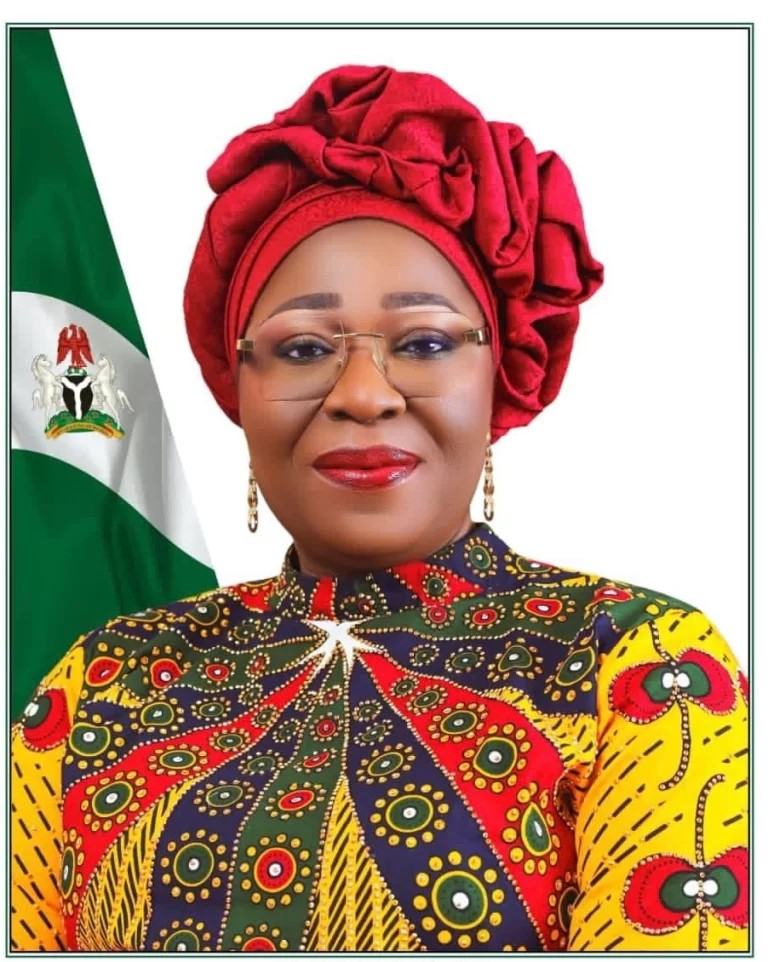
The Akwa Ibom State Government has dismissed as false and misleading claims circulating on social media that the Deputy Governor, Senator Akon Eyakenyi, sponsored a bill currently before the Akwa Ibom State House of Assembly.
In a statement issued on Sunday, the Office of the Deputy Governor described the reports as “fake news,” stressing that Senator Eyakenyi has not sponsored any bill in the state legislature or elsewhere and is not aware of the existence of the purported legislation.
The disclaimer, signed by the Deputy Governor’s Press Secretary, Omen Bassey, followed what officials said was a surge of public enquiries directed to the Deputy Governor’s office over the alleged bill, which has been widely shared online without attribution to any official source.
“Let me state categorically that Her Excellency, Senator (Dr) Akon Eyakenyi hasn’t sponsored any bill in the Akwa Ibom State House of Assembly or anywhere else currently,” the statement said, adding that the claims falsely credited her as the initiator or sponsor of an “imaginary” piece of legislation.
The office further clarified that, under Akwa Ibom’s governance structure, the Deputy Governor—who is a member of the State Executive Council—cannot personally sponsor legislation. Any executive bill, the statement noted, must first be deliberated upon by the State Executive Council and formally transmitted to the House of Assembly by the Governor or an authorised representative.
Officials also pointed out that the alleged bill did not originate from any recognised communication channels of either the Akwa Ibom State House of Assembly or the state government, raising further doubts about its authenticity.
“The spurious report neither emanated from the official communication channels of the Akwa Ibom State House of Assembly nor the Akwa Ibom State Government,” the statement said.
The Deputy Governor’s office urged members of the public to disregard the circulating claims in their entirety and to rely solely on verified government platforms when seeking information on legislative or policy matters.
The episode highlights growing concerns among public officials about the speed at which unverified political information spreads on social media, often creating confusion and unnecessary public anxiety. Authorities warned that the trend poses risks to public trust in democratic institutions and called for greater media literacy and verification by citizens.
“This kind of misinformation underscores the need for the public to cultivate the habit of confirming controversial reports through official channels before attaching any weight to them,” the statement concluded.