At least 68.9 million Nigerians have suffered gender-based harassment, sexual abuse, cyberbullying, or other online harm, according to the State of Online Harms 2025 Report released by Gatefield.
Presenting the findings at the Child Online Safety Forum in Abuja, Gatefield’s Advocacy Lead, Shirley Ewang, described the situation as a growing national crisis fueled by rising internet use.
“With over 137.8 million Nigerians online, we’re witnessing an alarming surge in digital dangers,” she said.
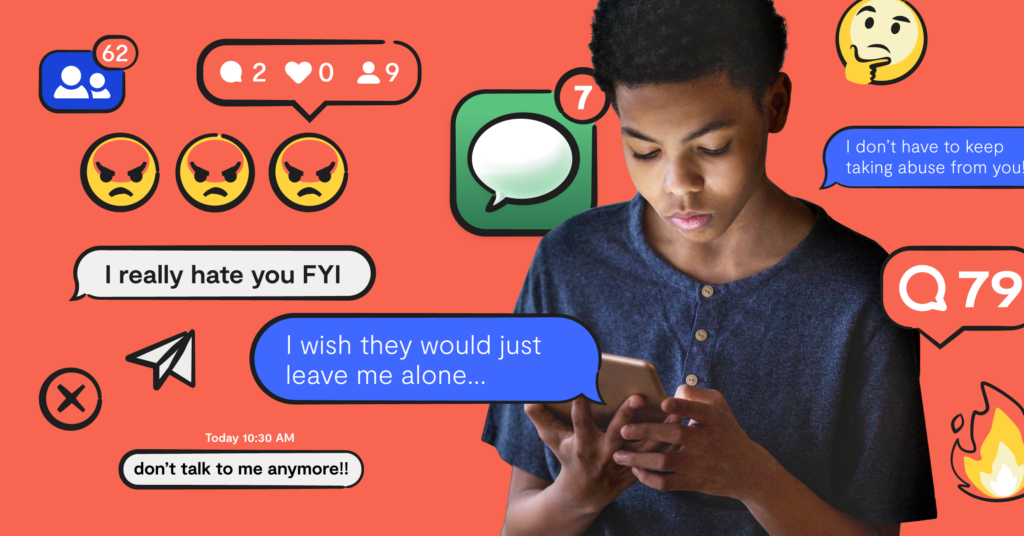
The report identified misinformation, hate speech, cyberbullying, and child exploitation as the most common threats to Nigeria’s digital safety.
According to Ewang, the research used surveys, interviews, and desk analysis to assess trends across the country. Findings show that 50% of internet users face online harm regularly, while 31% said tech platforms “rarely review” harmful content.
Women remain the biggest targets, with 58% of online harms directed at them, especially those in politics, journalism, and public life.
“X (formerly Twitter) leads with 34% of all reported online harms in Nigeria,” Ewang said, followed by Facebook, WhatsApp, and Instagram.
The report also warned that fake news and misinformation dominate Nigeria’s digital space, with 99% of online harms linked to fake news and 95% tied to misinformation—especially during elections.
Deepfakes and violent imagery are also being used to spread false narratives, further eroding public trust in tech platforms.
“Thirty-three percent of Nigerians no longer trust social media to keep them safe,” Ewang revealed. “While 86% support regulation, they insist it must not stifle free speech.”
Children were identified as the most vulnerable users, with 90% exposed to at least one cyber risk and 97% reporting sexual exploitation online.
“This has become an epidemic,” Ewang warned. “Every time a Nigerian child goes online, they face a real threat.”
Gatefield, along with Paradigm Initiative and the National Online Safety Coalition, recommended three key actions:
- Promote digital literacy through nationwide campaigns, especially for women and children.
- Hold big tech accountable by establishing local content moderation systems.
- Update Nigeria’s cyber laws to address emerging risks like AI-driven deepfakes.
Ewang also urged the swift passage of the Child Online Access Protection Bill to safeguard minors and called for collaboration across government, tech, and civil society.
“Online safety is not optional—it’s an urgent national priority,” she stressed. “We must act now to make the internet a place of empowerment, not exploitation.”