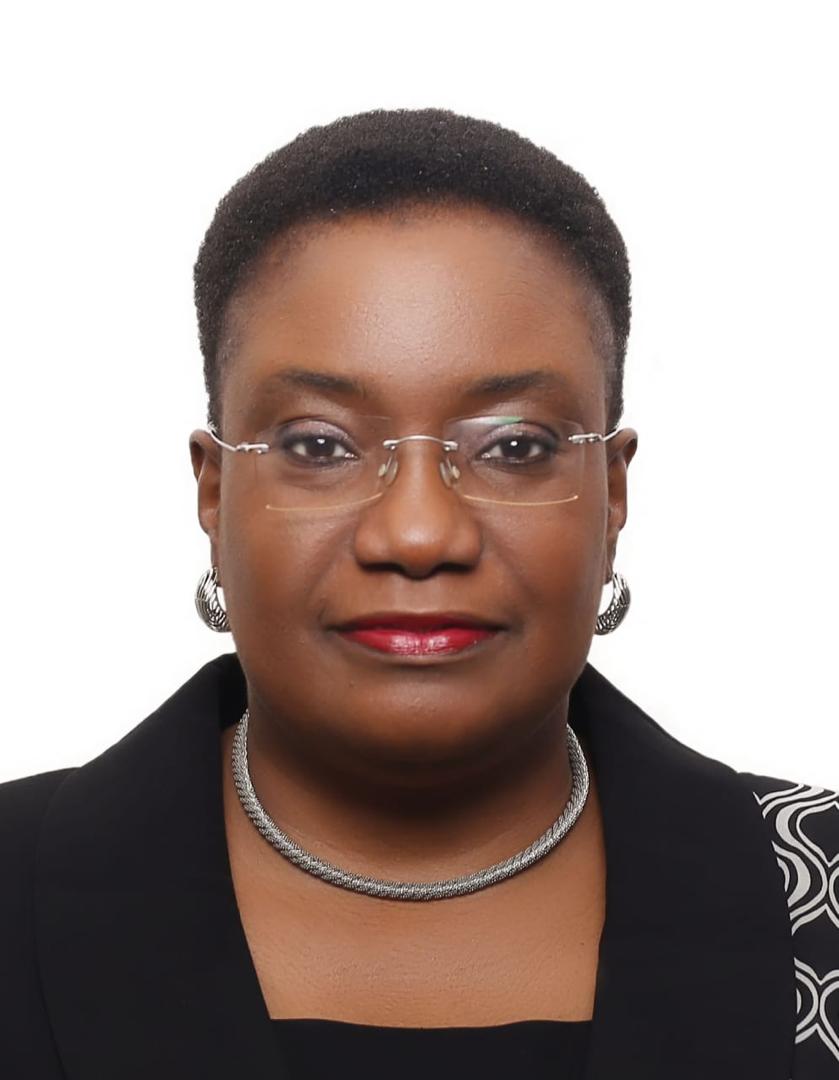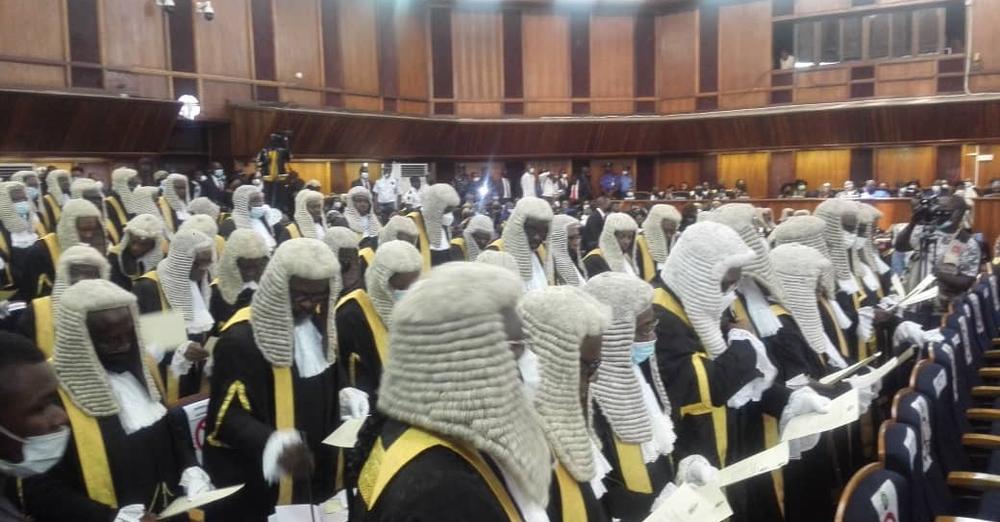
Nigeria’s legal profession is facing one of its most uncomfortable reckonings in recent years after the chairman of the Economic and Financial Crimes Commission, Ola Olukoyede, disclosed that more than 100 senior lawyers are currently being prosecuted for corruption-related offences.
The startling revelation, made Thursday in Abuja at the annual lecture of the Body of Benchers, has intensified concerns about ethical decay within the ranks of the country’s legal elite, professionals sworn to defend the rule of law but increasingly accused of undermining it.
According to Olukoyede, the anti-graft agency has received numerous petitions alleging financial crimes involving lawyers, including some of the most senior members of the Bar.
“Before I came here, I checked our database and discovered that we have about 100 senior members of the Bar that we are prosecuting at the moment,” the EFCC chairman said.
The alleged offences range from diversion of clients’ funds and fraudulent property transactions to aiding sophisticated money laundering networks, he added.
“It has become very necessary for us to work together,” Olukoyede urged, calling for stronger collaboration between anti-corruption agencies and the legal profession.
Read Also: Body of Benchers suspends 17 lawyers; EFCC says 100+ senior lawyers facing fraud charges
Discipline Crisis Inside the Bar
The EFCC disclosure came as Nigeria’s disciplinary authorities for lawyers also revealed fresh sanctions against erring members of the profession.
The Legal Practitioners Disciplinary Committee announced that 17 lawyers were punished in 2025 for professional misconduct.
Presenting the report, Senior Advocate of Nigeria Onyechi Ikpeazu said the penalties ranged from permanent disbarment to lengthy suspensions.
According to the report:
- Three lawyers were struck off the roll of legal practitioners
- Three were suspended for five years
- Two were suspended for four years
- Five were suspended for three years
- Four were suspended for two years
- One received a formal warning
The offences were described as “infamous conduct in the course of performing their duties as legal practitioners.”
Growing Alarm Over Lawyers as Enablers of Corruption
The EFCC’s disclosure has amplified a debate that has been simmering within Nigeria’s legal community for years: the role of lawyers as facilitators of corruption rather than guardians of justice.
Legal scholar and former human rights commissioner Chidi Odinkalu recently argued that powerful lawyers often escape meaningful consequences even when courts severely criticise their conduct.
In his widely discussed essay Senior Advocates of No-Consequence (SANs), Odinkalu pointed to controversial cases involving prominent lawyers, including former Attorney-General of the Federation Michael Aondoakaa.
In a landmark ruling, the Supreme Court of Nigeria rebuked Aondoakaa for actions it said “undermined and subverted the administration of justice and the integrity of the judiciary.”
Yet, critics argue that professional disciplinary consequences within the Bar were limited, reinforcing perceptions that senior lawyers often operate under a culture of impunity.
Other controversial disciplinary battles involving senior lawyers such as Kunle Kalejaiye and Joseph Nwobike have further fuelled debate about the profession’s willingness to hold its most influential members accountable.
Even prominent legal figure Mike Ozekhome recently found himself at the centre of controversy after quietly withdrawing from a Call to Bar ceremony amid questions surrounding testimony he gave in a property dispute abroad, an incident critics say reflects deeper governance challenges within the profession.
A System at Risk
For legal analysts, the EFCC’s revelation that over 100 senior lawyers are currently facing prosecution may represent one of the most significant corruption crackdowns involving members of Nigeria’s legal profession.
The development raises uncomfortable questions about how deeply corruption may have penetrated institutions meant to safeguard the rule of law.
Lawyers occupy some of the most influential positions in Nigeria’s justice system—as advocates, judges, prosecutors, legislators and advisers to government.
If the allegations now being prosecuted by the EFCC are proven in court, observers warn, the implications could extend far beyond individual misconduct to the credibility of the country’s justice system itself.
As Olukoyede cautioned, restoring public confidence will require a collective effort by both anti-corruption agencies and the legal profession to confront wrongdoing within its ranks.