Nigeria’s long-running war against jihadist insurgents in the northeast is showing troubling signs of escalation after militants killed two senior military officers and overran several military bases in Borno State within days.
Among those killed was Umar Farouq, a lieutenant colonel and commanding officer in the Nigerian Army, who died when fighters linked to the Islamic State West Africa Province (ISWAP), a breakaway faction of Boko Haram, launched a coordinated assault on a military base in Kukawa.
Military sources said insurgents stormed the base with heavy gunfire, forcing troops to retreat before burning military vehicles and carting away weapons and ammunition.
“The commanding officer and some of his soldiers have been confirmed dead,” a security source said, describing the attack as “devastating.”
Second Commanding Officer Killed
Farouq’s death came just days after another commanding officer, S. I. Iliyasu, who led the 222 Battalion, was killed in a separate insurgent attack in Konduga, also in Borno State.
Security sources say the insurgents carried out near-simultaneous attacks on four military bases in Konduga, Mainok, Jakana, and Marte, destroying armoured vehicles and seizing military equipment.
More than 40 soldiers were reportedly killed in the assaults, though the Nigerian military has not released official casualty figures.
Insurgents Capture Military Equipment
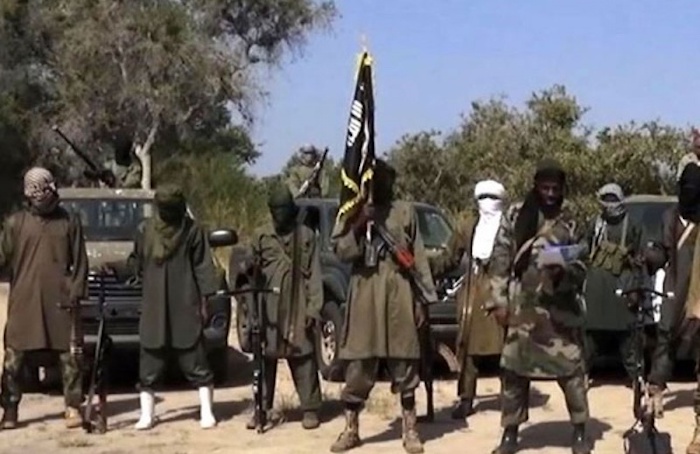
Footage circulating online and attributed to ISWAP showed fighters storming military installations and displaying captured weapons and vehicles.
The video, shared by conflict researcher Brant R. Philip, showed militants celebrating what they claimed were captured military assets.
“All the vehicles you see here belong to the Nigerian Army,” one militant voice said in the video.
Military analysts say such propaganda is designed to demonstrate strength and boost recruitment.
Civilians Also Targeted
The attacks have not been limited to military facilities.
In Ngoshe in Gwoza Local Government Area, insurgents attacked a military outpost before moving into the community, killing residents and abducting women.
Another attack at Banki Junction along the Bama–Gwoza road reportedly killed several soldiers, including Major Ibrahim Mairiga.
A War That Refuses to End
Nigeria has battled jihadist insurgency in the northeast since 2009, with the conflict spreading across the Lake Chad basin.
Despite repeated military offensives and claims that insurgents had been “technically defeated,” attacks have persisted.
The military currently conducts operations under Operation Hadin Kai, the latest campaign aimed at dismantling insurgent networks.
However, security experts warn that militant groups have adapted their tactics, relying on mobility, coordinated raids, and attacks on poorly defended outposts.
Growing Questions Over Security Strategy
The latest attacks are likely to intensify scrutiny of Nigeria’s security architecture, particularly as troops complain about insufficient equipment, delayed reinforcements, and weak air support from the Nigerian Air Force during some assaults.
For communities in Borno, the violence has become a grim cycle.
While politicians begin positioning themselves for the 2027 elections, residents of the northeast continue to face the daily threat of insurgent attacks.
For many Nigerians, the latest killings raise a difficult question: after more than 15 years of war, why does the insurgency still appear far from defeated?